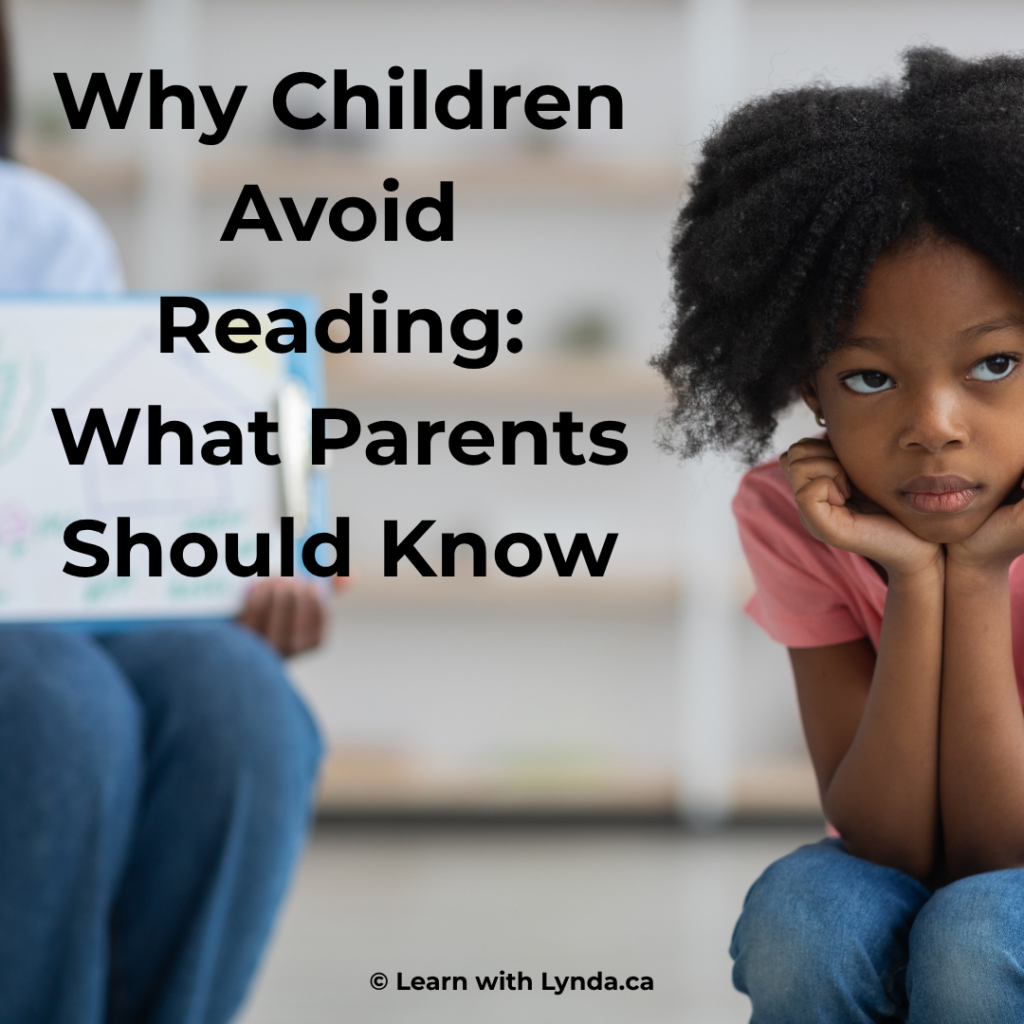
Does your child suddenly need a drink, have a question, or remember something important the moment it is time to read?
Do they say “I’m bad at reading” or become upset when a book comes out?
It can be tempting to see this as a motivation problem. But sometimes children avoid reading as a way of responding to something that feels difficult.
Reading can take a lot of effort
For a beginning reader, reading is not always automatic. Your child may be working extremely hard.
A beginning reader needs to remember letter sounds, blend them into words, recognize familiar words, and understand the sentence at the same time.
If and when this effort continues without enough success, reading can feel tiring or stressful.
Look beneath the behaviour
Avoidance can have many explanations:
- a child may be tired,
- worried about making mistakes,
- unsure what to do when stuck,
- or finding the text too difficult.
One difficult evening does not mean a child has a reading problem.
Look for patterns across time and settings.
- Does the child avoid reading aloud?
- Do they guess at words?
- Do they become frustrated when asked to sound out words?
- Do they enjoy being read to, even if they avoid reading themselves?
These observations can help adults understand the experience more clearly
Respond with connection, not pressure
Try to keep your response calm and curious.
Instead of saying, “You just need to try harder,” you might say, “I can see this feels tricky. Let’s work through one word together.”
Choose material that allows the child to practice skills they have learned, and then share books aloud that are enjoyable and interesting. Reading practice should be purposeful, but it should not become a daily battle.
Build confidence through achievable steps
Children need opportunities to experience success. Short, well-supported practice with a suitable text may be more helpful than asking a child to struggle through a long passage alone.
Notice specific effort and growth: “You looked at all the sounds in that word,” or “You remembered how to blend that word today.” Praise should be genuine and connected to what the child did.
When to seek help
If reading avoidance is frequent, intense, or increasing—or if you also notice persistent difficulty with word reading, spelling, or reading progress—talk with the child’s teacher. Ask what skills are well-developed, which remain challenging, and what support is available. If a child is expressing strong distress or negative beliefs about themselves, take those feelings seriously as well as the reading difficulty.
Final Thoughts
A child who avoids reading may need encouragement, but they may also need instruction that addresses a specific skill gap. Instead of focusing only on getting the child to read more, ask what makes reading hard right now and what would help them feel successful.
Happy Learning,
Lynda
Want to Learn More:
When You Should Worry About Your Child’s Reading – Blog
8 Signs your Child might be Struggling with the Foundations of Reading -Blog
FREE GUIDE