Help for Beginning Readers
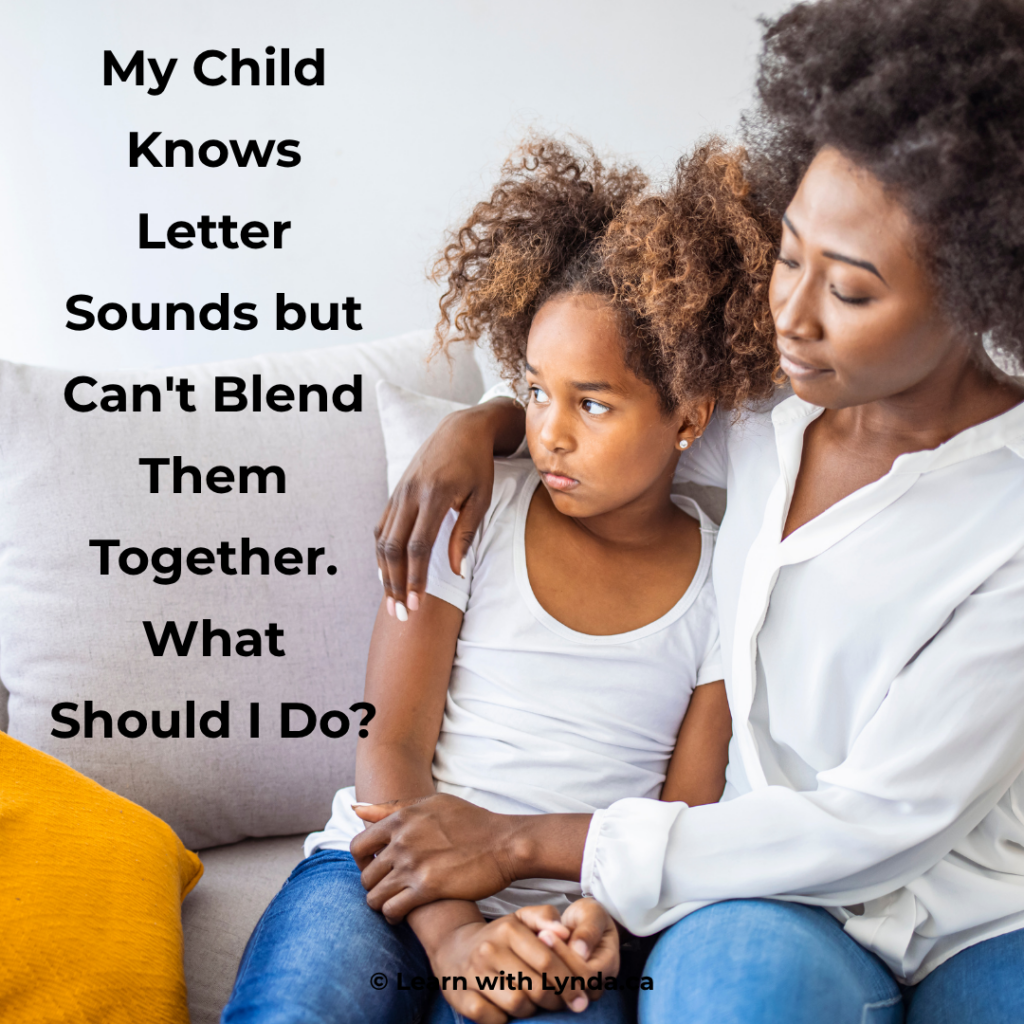
Your child points to the letter *m* and says /m/. They know *a* says /ă/ and *t* says /t/. But when those letters appear together in *mat*, they cannot seem to put the sounds together. This can be confusing for parents. If a child knows individual sounds, shouldn’t reading words come next?
Not always.
Knowing sounds and blending sounds are different skills
Knowing a letter-sound relationship is an important step. Blending is the process of putting the sounds in a word together in the right order.
A child might know each sound when asked separately but finds it difficult to hold the sounds in mind, and move smoothly from one to the next, and then recognize the word they make.
What blending can look like
A child may say each sound separately—/m/ … /ă/ … /t/—but not arrive at *mat*.
They may guess based on the first letter or a picture, or they may forget the first sound by the time they reach the last one.
These behaviours can have different causes, so observe what happens rather than assuming the child is not trying.

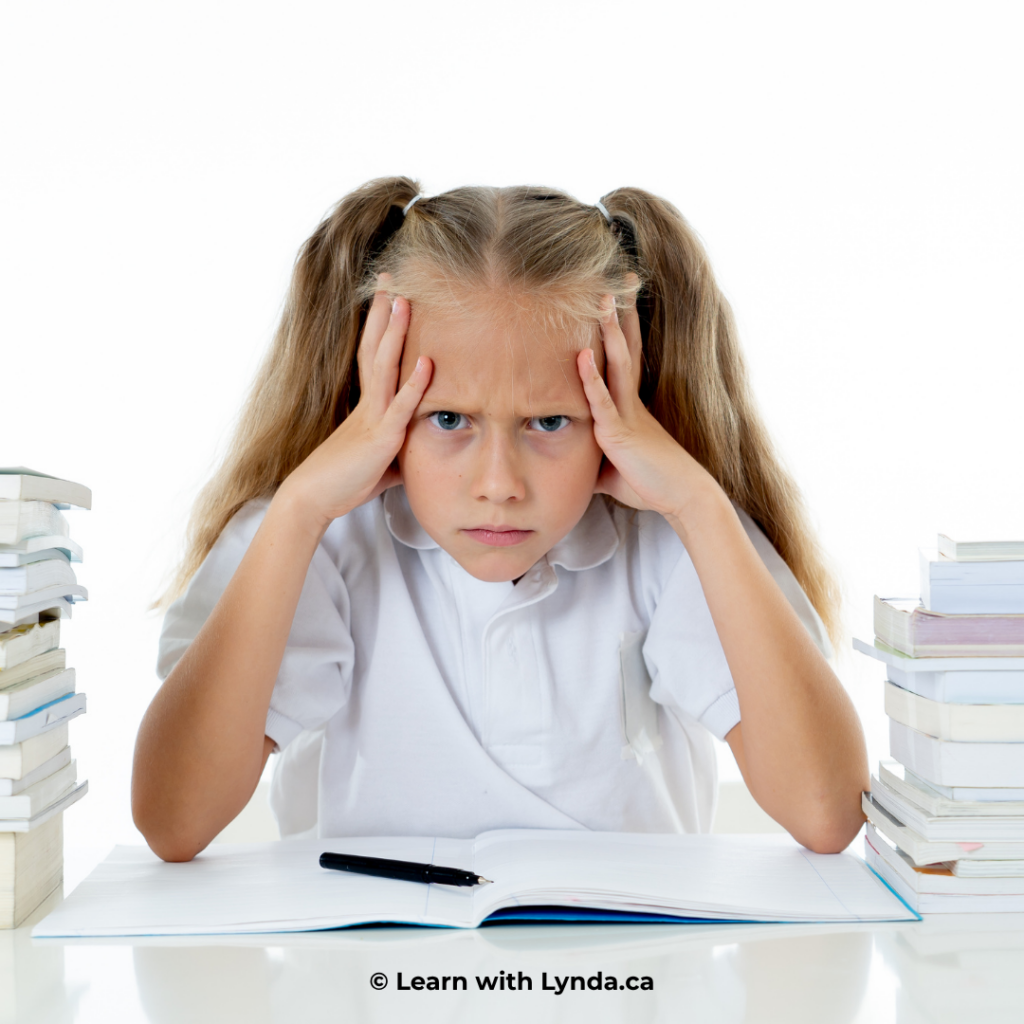
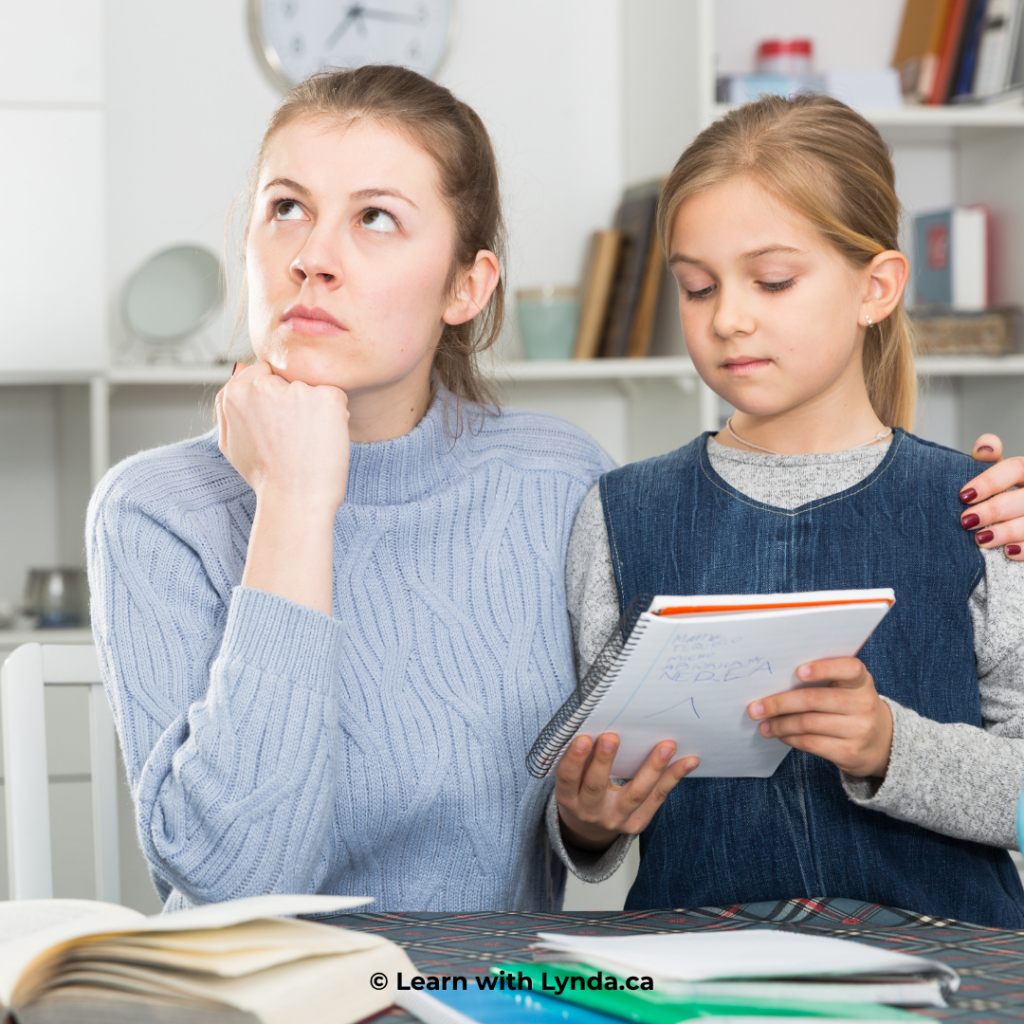
How to help without turning reading into a struggle
Start with words made from letter-sound relationships your child has been taught. Model the word first: “/mmmăăăt/—mat.” Keep the sounds close together and gradually make the blending more continuous.
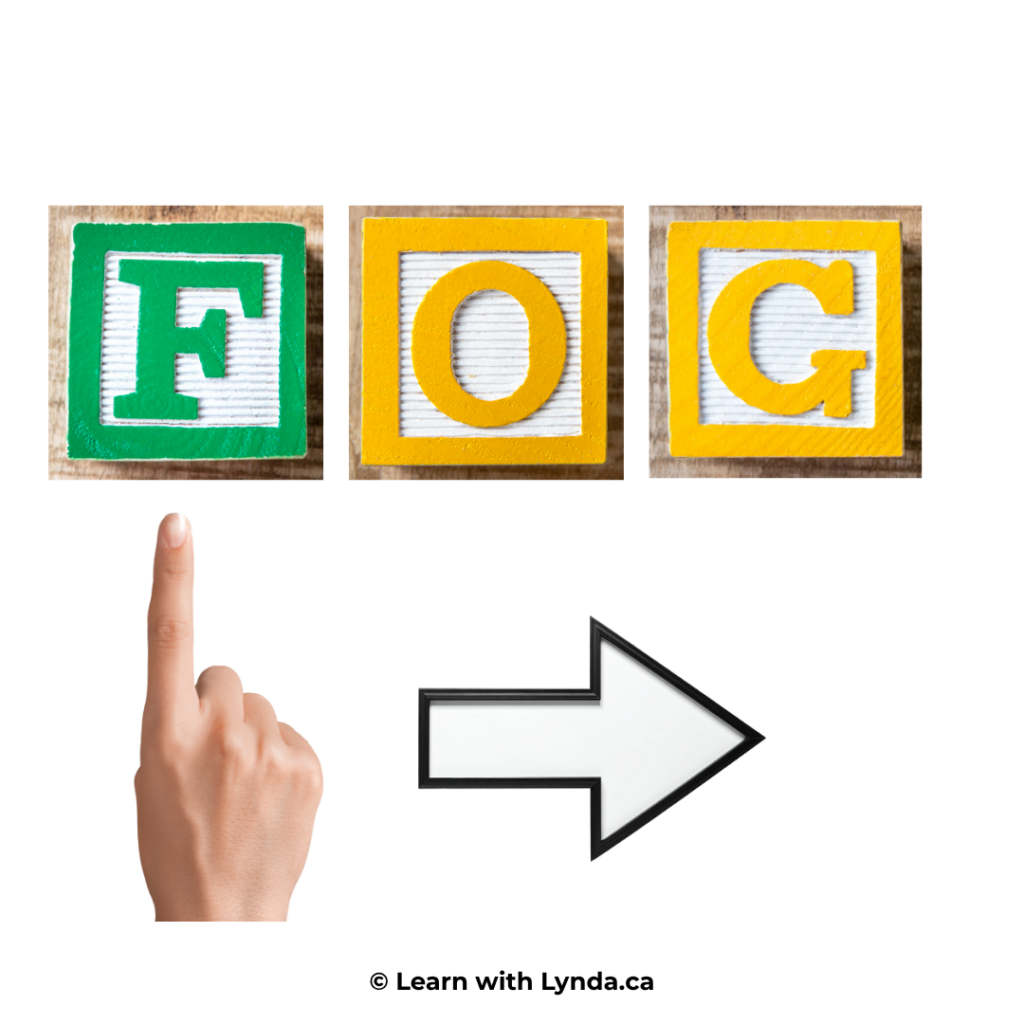
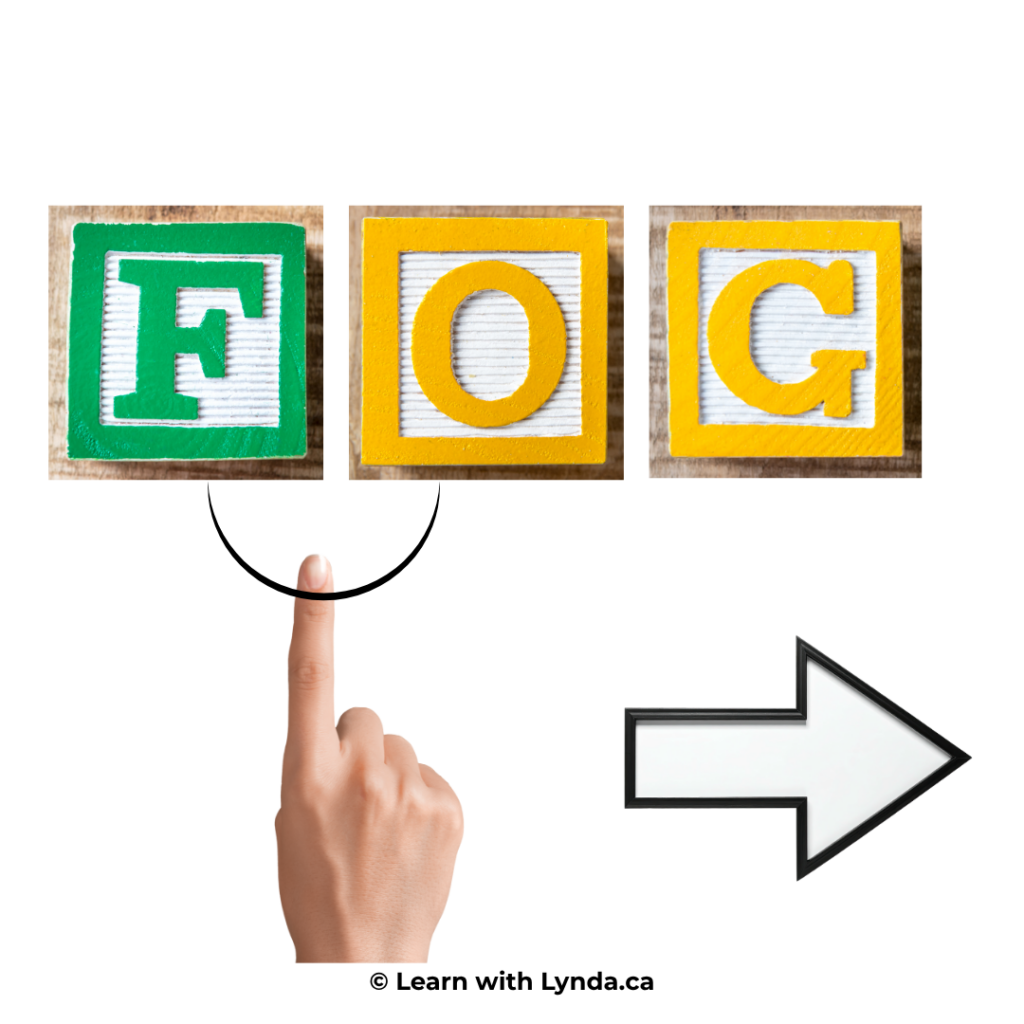
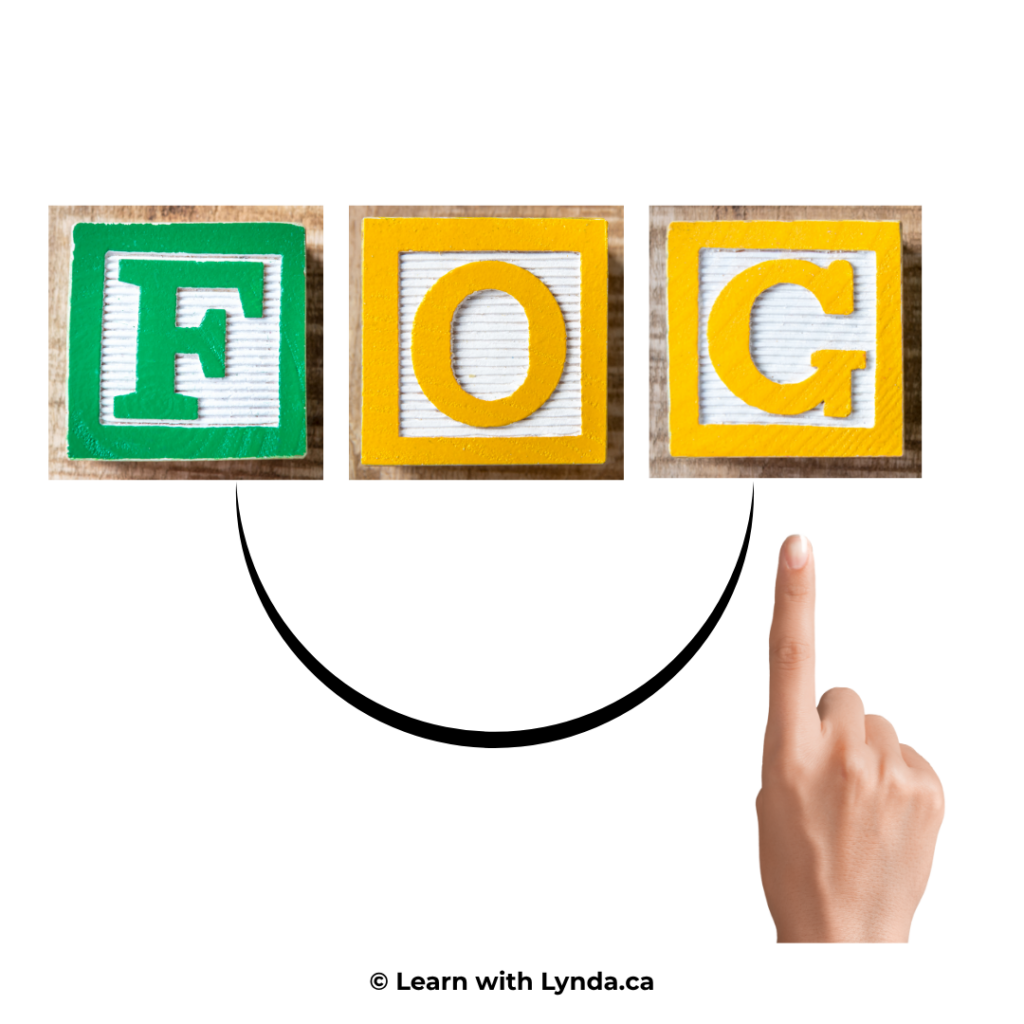
You can point to each letter as you say its sound, then sweep your finger under the whole word as you blend it. Use a few words and stop before practice becomes exhausting.
Avoid asking for guessing
If your child is stuck, calmly bring their attention back to the letters and sounds they know.
Pictures and story context can support understanding, but they should not replace learning how to read the printed word.
You might say, “Let’s look through the word together. What sound does this letter spell? Now let’s put the sounds together.” Give enough support to make success possible, then try another suitable word.
When to ask for more support
If blending remains difficult despite clear modelling and practice, ask your child’s teacher what they observe.
You can ask whether your child can say the sounds accurately, blend sounds orally without letters, and blend sounds when letters are present. These are related but distinct tasks.
A teacher or reading specialist can use that information to plan an appropriate next step.
Final Thoughts
Reading is not one single skill.
A child can know some letter sounds and still need direct instruction in blending.
A helpful question is not “Why aren’t they trying harder?” but “What part of the process is difficult, and how can we teach that step clearly?”
Happy Learning,
-Lynda
Looking for more information:
When You Should Worry About Your Child’s Reading
My Child Knows Their Letters – But Still Can’t Read
Here’s A Free Guide That Will Answer More Questions