My Child Knows Their Letters but Still Can’t Read. What’s Going On?
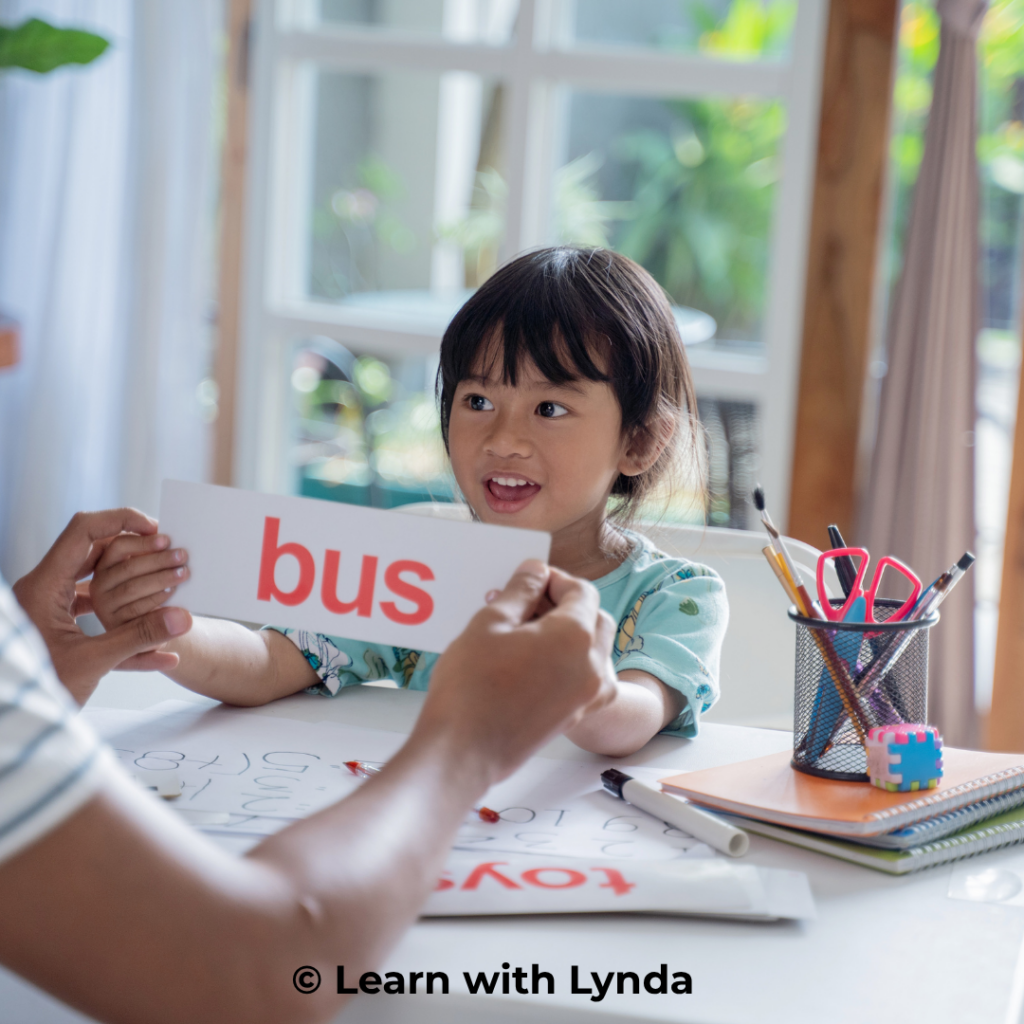
Have you ever watched your child confidently name letters and tell you their sounds, but then struggle when it is time to read a simple word? Learning to read can be frustrating for the parent who is watching their struggling child.
Maybe your child knows that m says /m/ and a says /ă/, but when you put the letters together and ask them to read mat, they aren’t sure what to do.
As a parent or teacher, this can be confusing.
You might think, “They know their letters. Why aren’t they reading?”
The answer is that knowing letters and learning to read are two different skills.
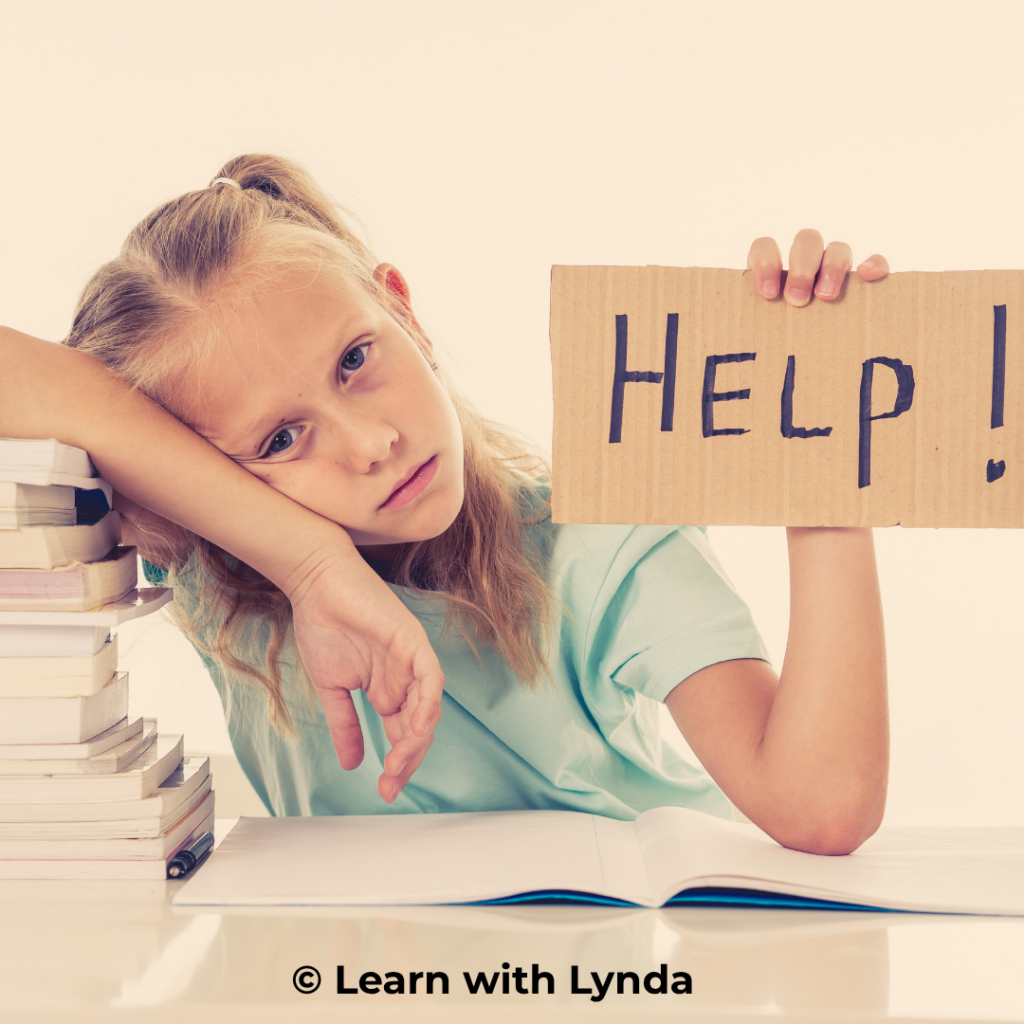

Learning Letters Is an Important First Step
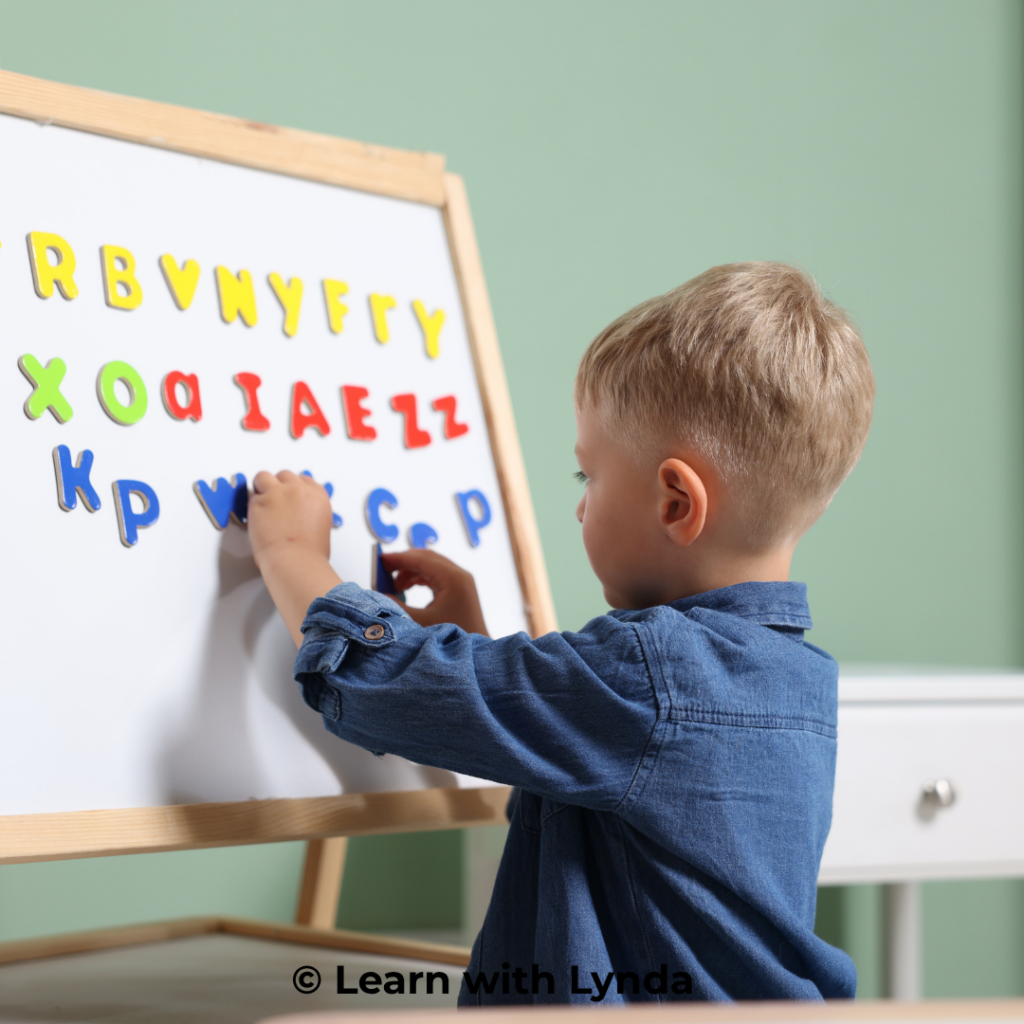
Learning the alphabet and the sounds that letters represent is an important part of learning to read.
Children need to know that letters represent sounds. They also need to learn how those sounds work together to make words.
For example:
m → /m/
a → /ă/
t → /t/
But knowing each sound separately is not enough.
A child also needs to be able to put those sounds together:
/m/ /ă/ /t/ → mat
This is called blending.
For some children, blending happens quite naturally. For others, it takes a lot of explicit teaching and practice on their learning to read journey.
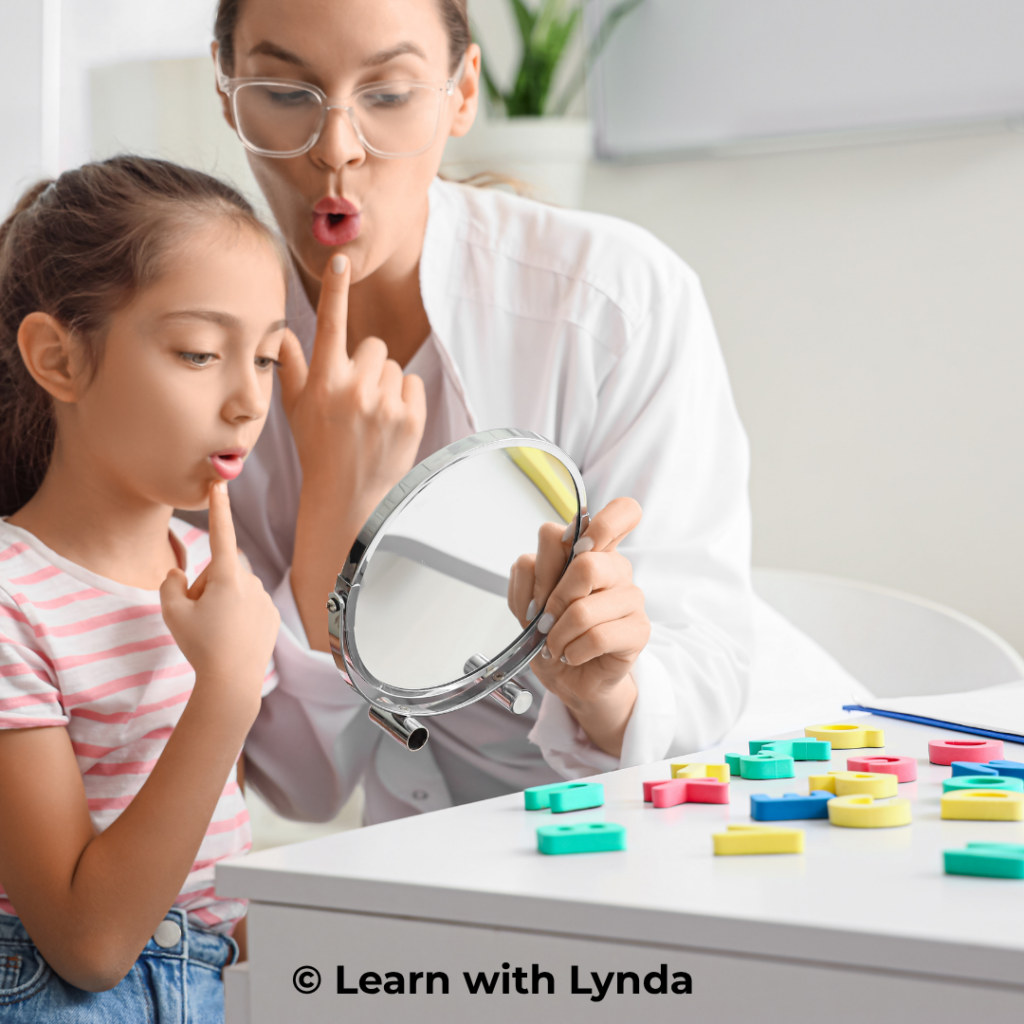
Reading Is More Than Knowing Letter Sounds
Think about learning to ride a bicycle.
A child might know what the pedals do. They might know how to steer. They might even know how to use the brakes.
But knowing all of those individual skills doesn’t automatically mean they can ride the bike.
They need to learn how to put everything together.
Learning to read works in a similar way.
A child may know:
- many letter names
- many letter sounds
- some sight words
- the alphabet in order
But they may still have difficulty putting these skills together to read unfamiliar words.
They may need more support with:
- hearing the individual sounds in words
- blending sounds together
- breaking words apart into sounds
- connecting sounds to letters
- using those skills to decode unfamiliar words
What Happens When Reading Feels Hard?
When a child has difficulty decoding words, reading can become slow and tiring.
- They may begin to guess at words.
- They might look at the picture and try to figure out what the word could be.
- They may look at the first letter and guess a word that makes sense.
Over time, these strategies can become habits.
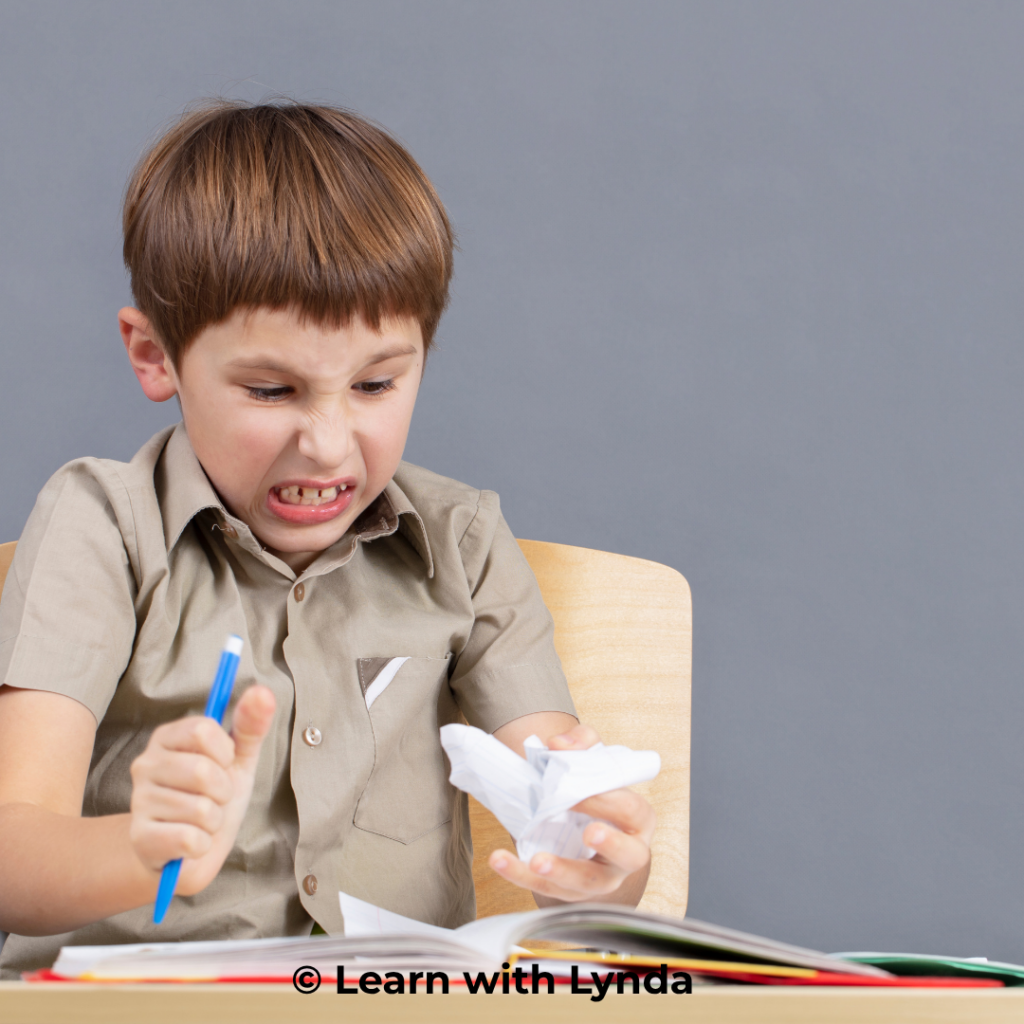
A child may also begin to avoid reading altogether.
You might hear:
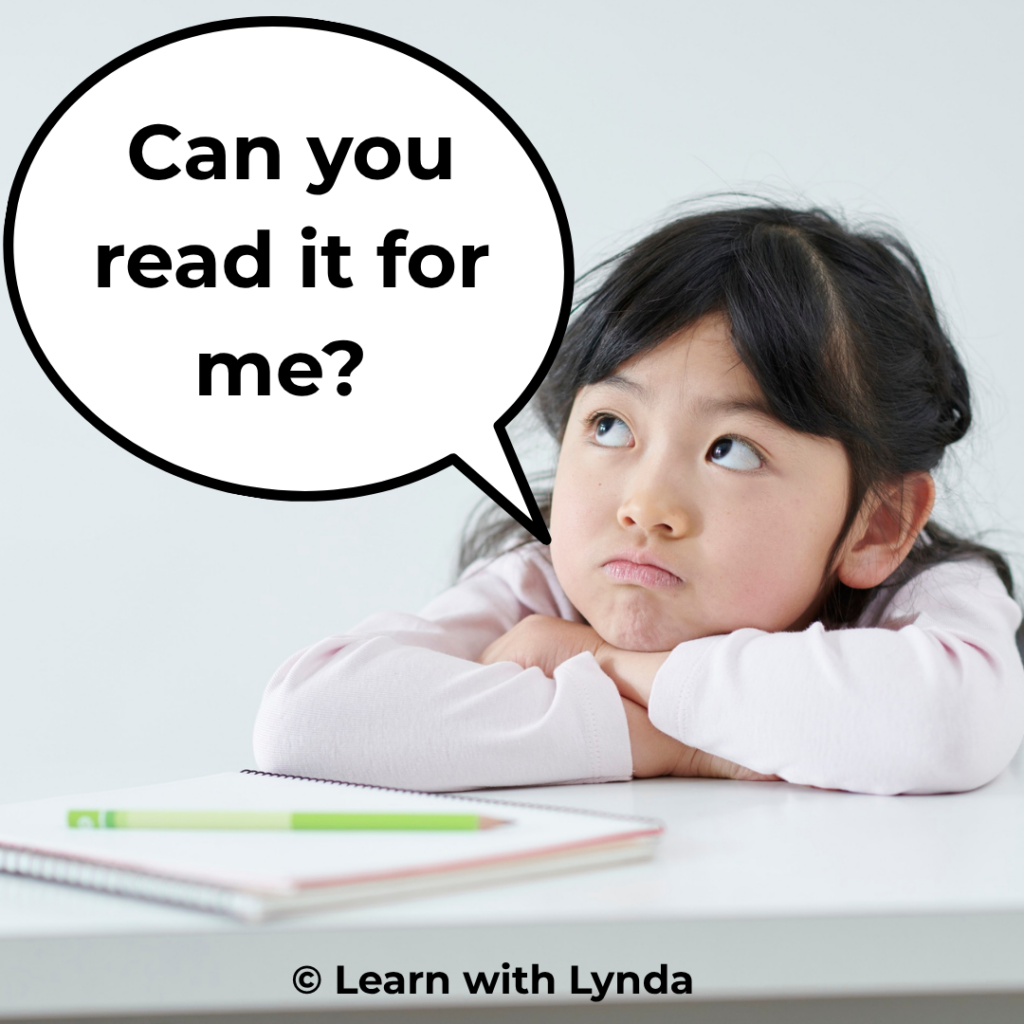
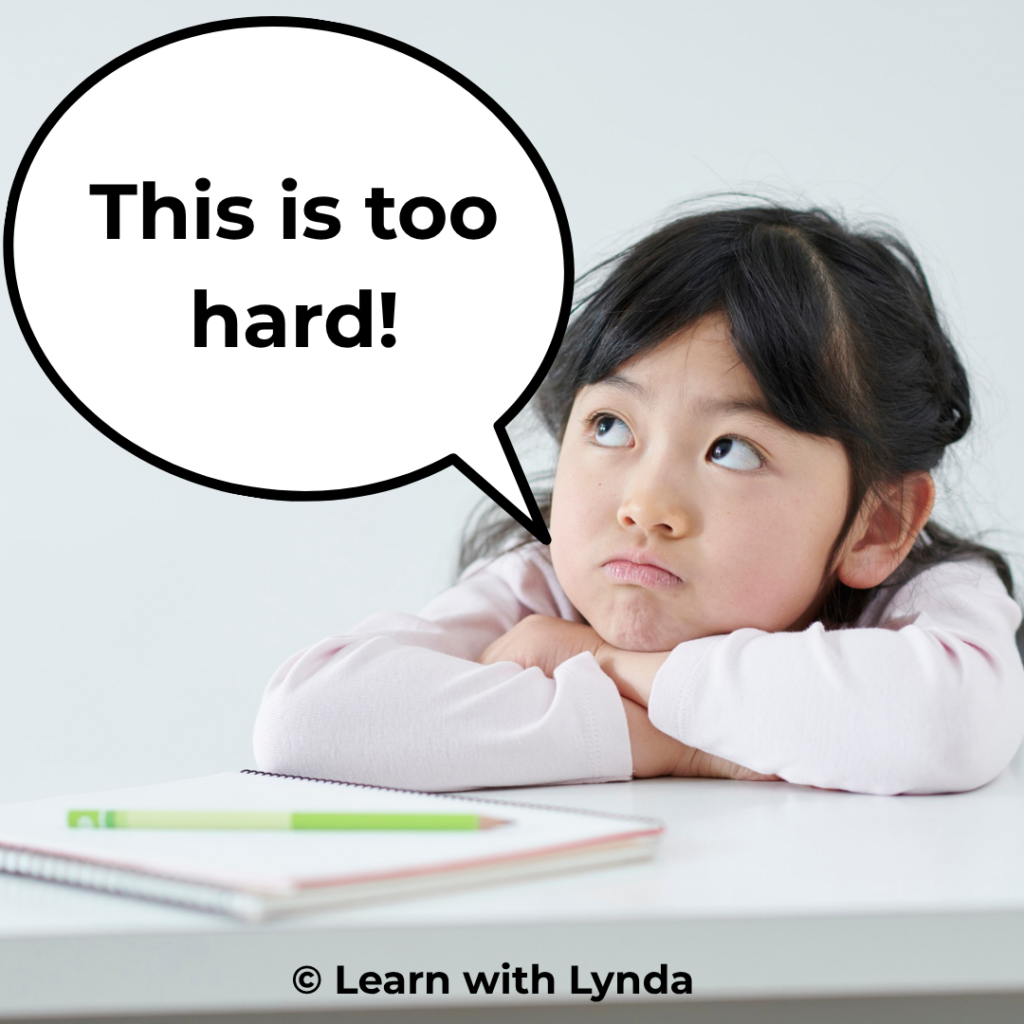
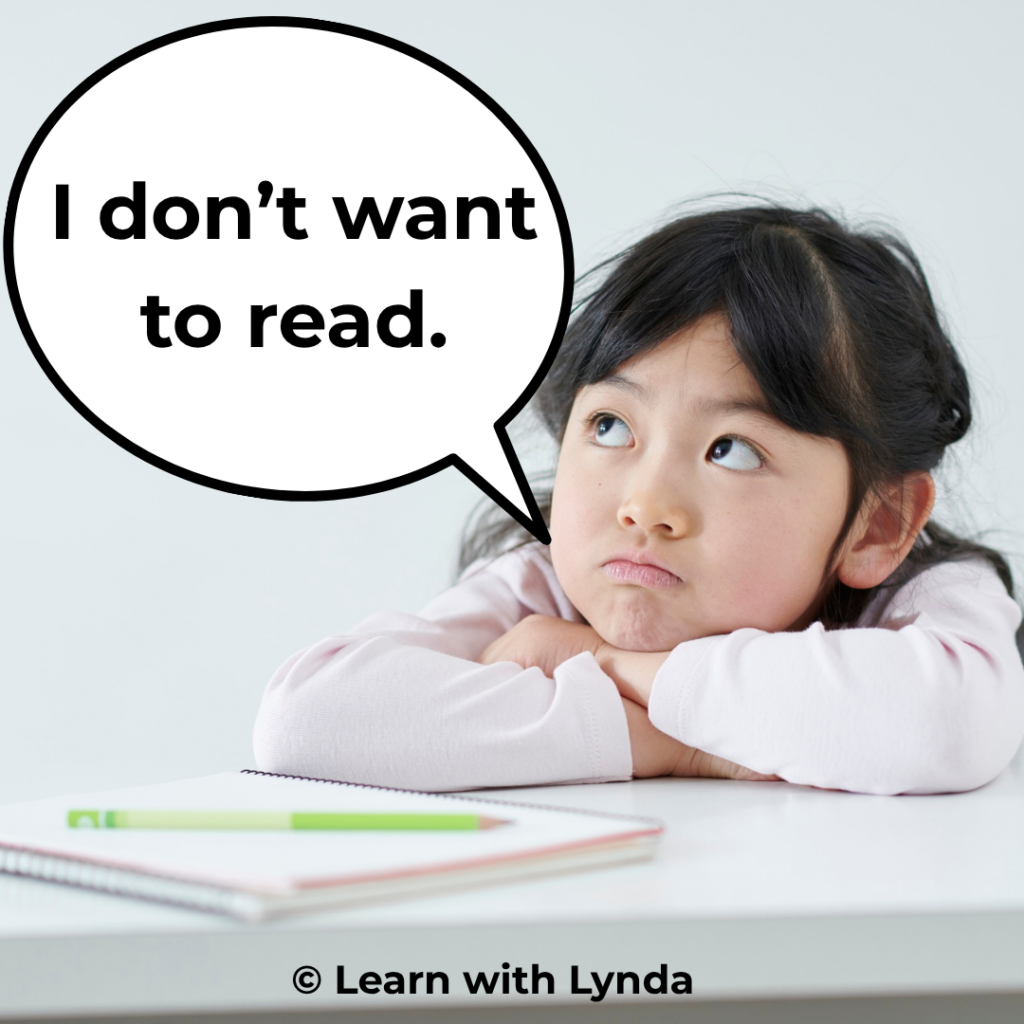
These reactions don’t mean your child is lazy or doesn’t want to learn.
Reading may simply be requiring more effort than it should.
So What Does Your Child Need?
The first step is to figure out where the difficulty is happening.
Instead of simply giving your child more books to read, look at the skills underneath reading.
Can your child:
- hear the sounds in simple words?
- blend sounds together?
- identify the sounds represented by letters?
- read simple words by putting sounds together?
- read unfamiliar words rather than guessing?
- remember previously taught patterns?
These questions can help us understand what your child needs next.
Every struggling reader is different.
One child may need more work with phonemic awareness. Another may need explicit phonics instruction. Another may know many phonics patterns but need help applying them when reading words.
This is why simply giving a child “more reading practice” does not always solve the problem.
The Good News
If your child knows their letters but is still struggling to read, it doesn’t mean they can’t learn.
It means we may need to look more closely at the skills that connect speech, sounds, letters, and words.
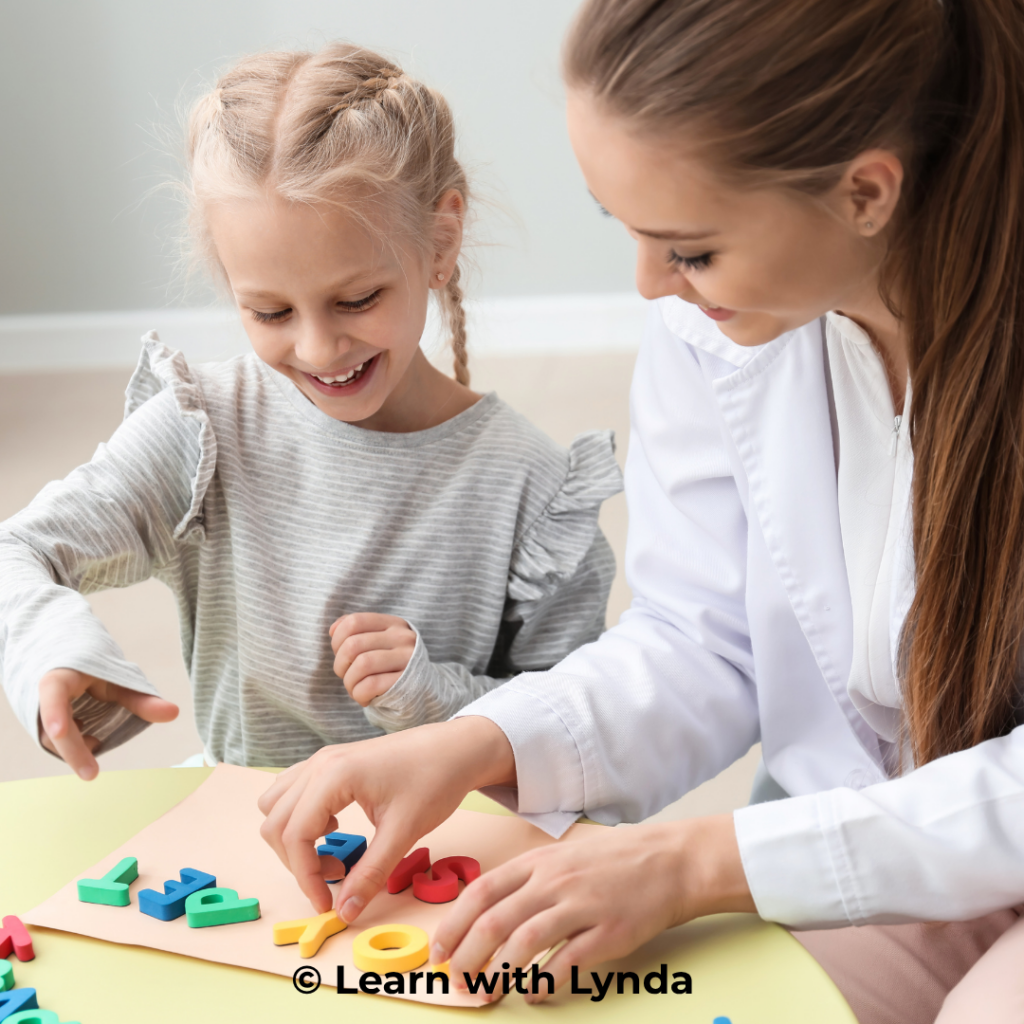
When children receive explicit instruction and have opportunities to practise the skills they need, they can make meaningful progress.
The goal isn’t simply to help your child read more words.
The goal is to help them become a reader who can look at an unfamiliar word and think:
“I can figure this out.”
If your child is struggling to learn to read, paying attention to the underlying skills can help you understand what kind of support they need.
Happy Learning,
Lynda
Related Blog Posts