Every child learns to read at their own pace.
As parents and teachers, we know this.
But that doesn’t make it easy when you begin to wonder:
“Is my child just taking a little longer, or are they really struggling?”
Maybe your child is in Grade 1 and still finds simple words difficult.
Maybe your Grade 2 child is guessing at unfamiliar words.
Or perhaps your Grade 3 child can read some familiar books but struggles when the text becomes more challenging.
You may be wondering whether you should wait, practice more at home, talk to the teacher, or seek additional support.
So when should you worry?



First, Look for Patterns
One difficult reading day doesn’t tell us very much.
Children have tired days. They have days when they don’t want to read. They may struggle with a new skill before it becomes easier.
What matters more is a persistent pattern.
Ask yourself:
- Does reading continue to be much harder than you expected?
- Does my child struggle with skills that have been taught repeatedly?
- Does my child frequently guess at words?
- Does my child have difficulty blending sounds?
- Does my child avoid reading?
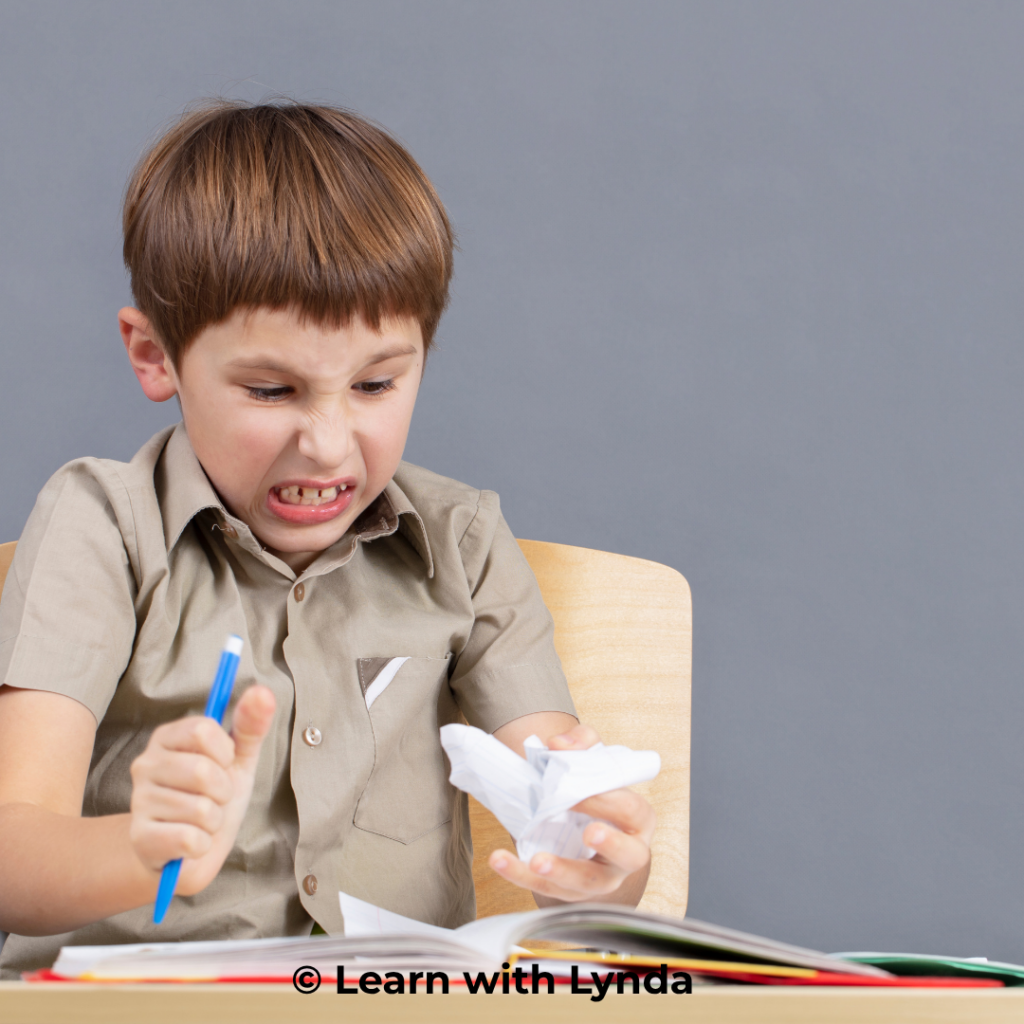
- Does reading lead to frustration or tears?
- Does my child seem unable to apply skills they have previously learned?
- Does progress seem very slow despite regular practice?
If you’re seeing several of these things over time, it is worth asking more questions.
What Reading Can Look Like in Grades 1–3
Children develop at different rates, so these are not rigid rules.
However, there are some general patterns we expect to see.
Grade 1
Children are learning how sounds connect to letters and how to blend those sounds into words.
Reading may still sound slow and choppy.
This is normal as children develop their decoding skills.
However, if a child continues to have significant difficulty hearing sounds, connecting sounds to letters, or blending sounds into words, additional support may be helpful.
Grade 2
By Grade 2, many children are becoming more comfortable decoding words.
Reading should gradually become more accurate and smoother.
A child who is still struggling significantly with basic decoding may begin to rely more heavily on guessing or avoiding unfamiliar words.
This is a good time to look carefully at the foundational skills that may be getting in the way.
Grade 3
By Grade 3, reading demands begin to increase.
Children are expected to use reading to learn about science, social studies, math, and many other subjects.
If a child is still using a great deal of effort to figure out individual words, they may have difficulty keeping up with increasingly complex texts.
This doesn’t mean they can’t learn.
It means their reading skills may need more targeted support.


Don’t Wait for Your Child to “Catch Up” on Their Own
One of the most common questions parents ask is:
“Should I just give it more time?”
Sometimes children do need time.
But persistent reading difficulties are not something we should simply ignore and hope will disappear.
If a child is struggling, waiting can also allow unhelpful habits to become stronger.
For example, a child who repeatedly has difficulty decoding may begin to rely on guessing.
A child who finds reading frustrating may begin to avoid it.
A child who experiences repeated difficulty may begin to believe:
“I’m not a good reader.”
That is why paying attention early matters.
Your Child’s Reading Difficulty Is Not a Reflection of Their Intelligence
This is one of the most important things I want parents and teachers to remember.
A child can be bright, curious, creative, funny, and capable—and still struggle to learn to read.
Reading is a learned skill.
Children need explicit instruction and opportunities to practise the skills involved in reading.
When something isn’t developing as expected, the answer isn’t to make a child feel that they aren’t trying hard enough.
The answer is to figure out what they need to learn next.
What Can Parents Do?
If you’re concerned about your child’s reading, start by asking questions.
Talk to your child’s teacher.
Ask:
- “What reading skills is my child doing well with?”
- “Where are they having difficulty?”
- “What support is being provided?”
- “How are we measuring their progress?”
And most importantly:
- “What should we do next?”
If your child continues to struggle, you may also want to consider additional support outside of school.
The goal isn’t to replace classroom instruction.
It is to give a child the targeted practice and instruction they need to strengthen the skills that are holding them back.
Trust Your Gut
You know your child.
If you’ve been thinking:
“Something just doesn’t seem right.”
don’t ignore that feeling.
You don’t need to wait until your child is failing.
You don’t need to wait until they hate reading.
And you don’t need to have all the answers before asking for help.
Sometimes the first step is simply finding out more about why reading is difficult and what your child needs to move forward.
Reading struggles are not a sign of failure.
They are a signal that a child may need a different kind of support.
With the right instruction, encouragement, and time, children can grow into capable and confident readers.
Happy Learning,
Lynda
Here is a free guide that I have created to support your wonders about your child’s reading progress.