Learning to read takes time.
Some children learn quickly. Others need more time, practice, and support.
But how do you know when a child is simply developing at their own pace and when they may need more targeted help?
As a parent or teacher, you may notice small things that make you wonder:
“Is this normal?”
“Should they be further ahead?”
“Why does reading seem so much harder for my child than it seems to be for other children?”
There is no single sign that tells us a child is struggling with reading. However, there are patterns worth paying attention to.
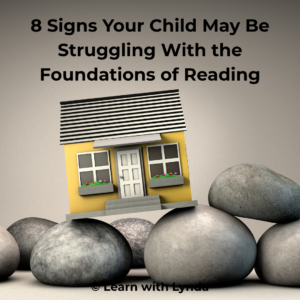
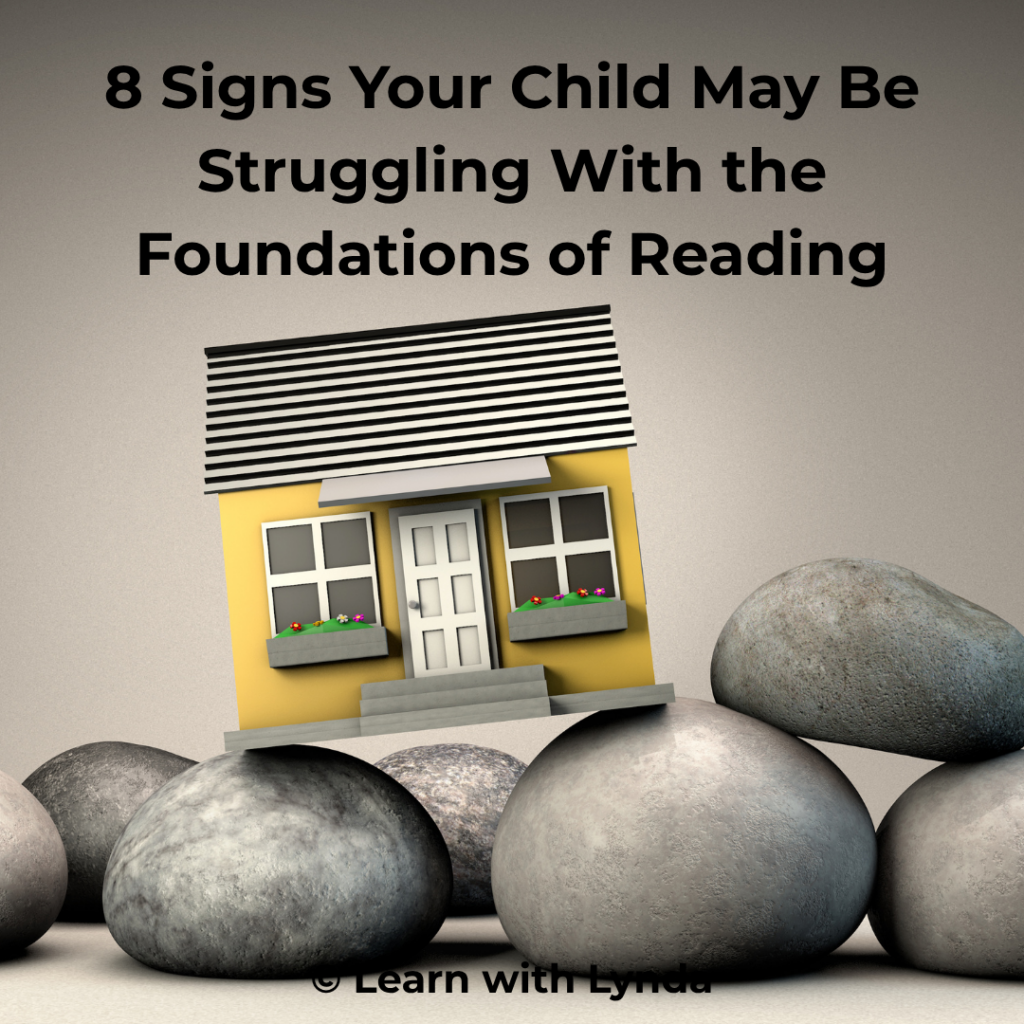
Here are eight signs to watch for.
1. Your Child Has Difficulty Blending Sounds
Your child may know individual letter sounds but have trouble putting them together.
For example, they may be able to say each sound individually:
/s/ /ă/ /t/
but have difficulty hearing that the sounds make:
sat
Blending is an important part of learning to decode words.
2. Your Child Guesses at Words
Instead of looking carefully at the letters and sounds, your child may guess based on:
- the picture
- the first letter
- what would make sense
- what word they remember from another book
Guessing can seem like a helpful strategy in the moment, but children need to develop the ability to decode unfamiliar words accurately.
3. Your Child Has Trouble Reading Unfamiliar Words
Your child may read a word correctly when they have seen it many times but struggle when they encounter a new word.
For example, they may know a familiar word such as play, but become stuck when they see another word with a similar spelling pattern such as stay.
This can be a sign that they are relying on memory rather than fully using their decoding skills.
4. Reading Is Very Slow and Effortful
Some beginning readers naturally read slowly.
But if your child has to work extremely hard to read almost every word, reading can quickly become exhausting.
You may notice that they become tired, frustrated, or lose focus after only a short amount of reading.
When so much mental energy is being used to figure out individual words, there is less available for understanding and enjoying the text.



5. Your Child Avoids Reading
Does your child suddenly need a drink?
Do they need to go to the bathroom?
Would they rather do almost anything else than read?
Avoiding reading doesn’t necessarily mean a child doesn’t like books.
Sometimes children avoid activities that feel difficult.
If reading has repeatedly been frustrating, avoidance can become a way of protecting themselves from another difficult experience.
6. Your Child Becomes Very Frustrated When Reading
You may see tears, anger, shutting down, or statements such as:
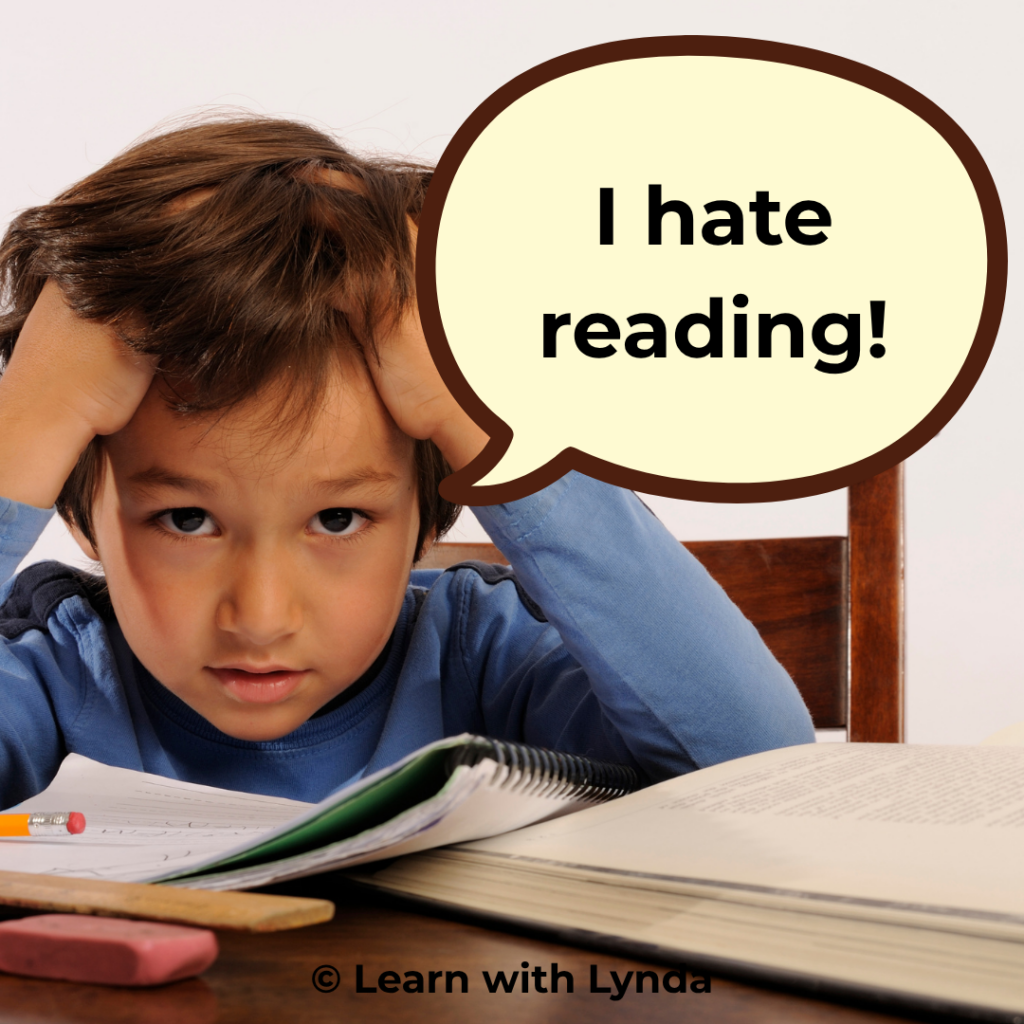
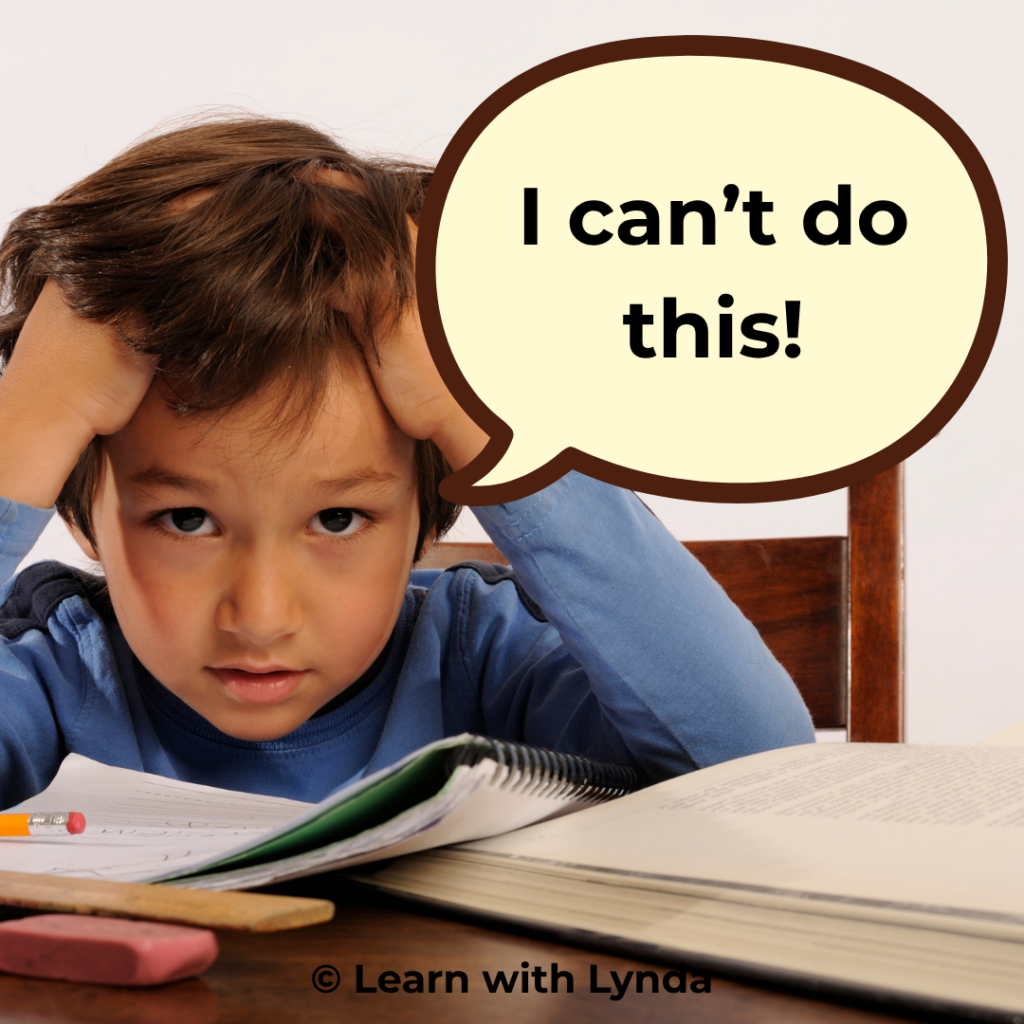
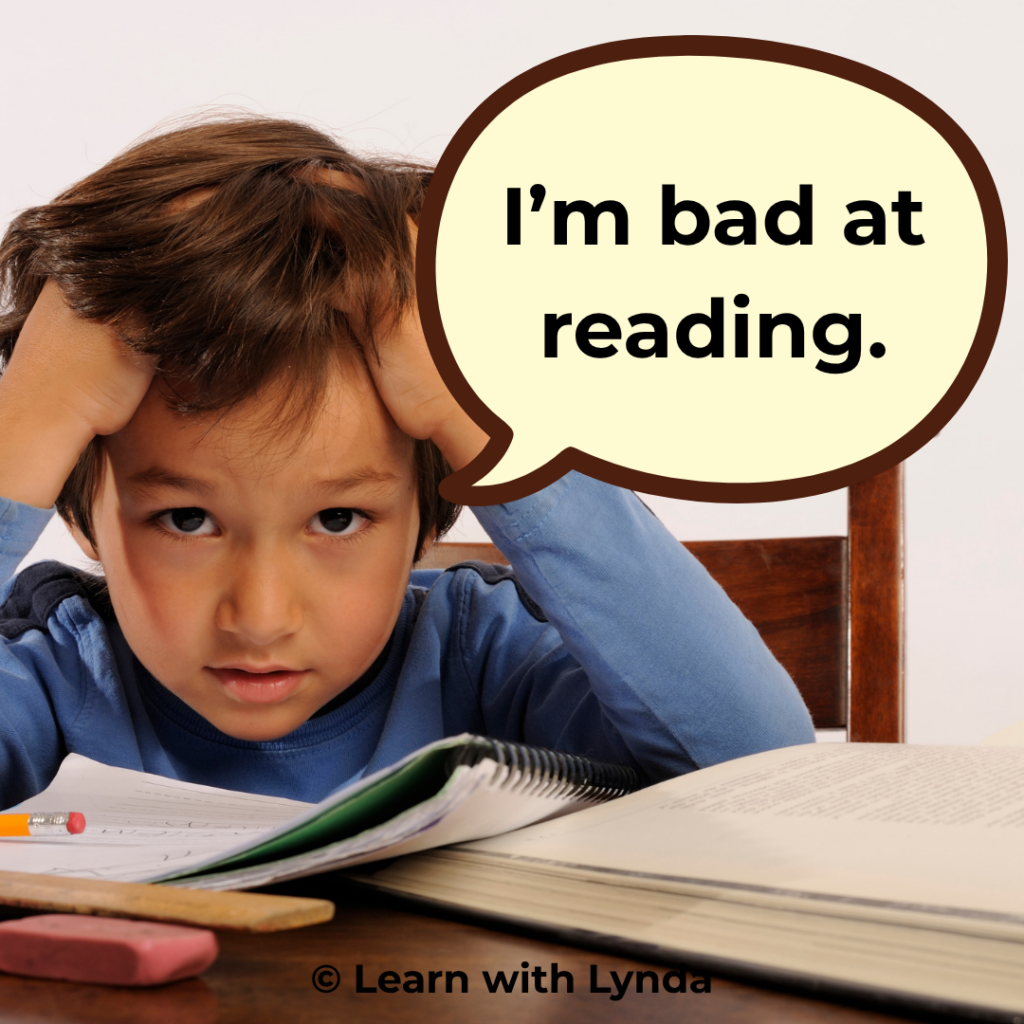
These reactions are important.
They may be telling you that reading feels difficult and that your child needs support—not that they don’t care about learning.
7. Your Child Has Difficulty Remembering Previously Taught Skills
You may feel as though your child learns something one day and forgets it the next.
Perhaps they knew a particular letter sound yesterday but can’t remember it today.
Or they were able to read a word during one lesson but become stuck when they see it again.
Some repetition and review are normal, but persistent difficulty remembering foundational skills is worth paying attention to.
8. Your Child’s Reading Doesn’t Seem to Be Progressing
Perhaps you’ve been practising.
The teacher has been practising.
You’ve read books together.
But you still feel as though your child is stuck in the same place.
When reading difficulties persist despite practice and support, it may be time to look more closely at the skills underneath reading.
What Should You Do If You Recognize Several of These Signs?
First, don’t panic.
Reading development is not exactly the same for every child.
But persistent difficulties deserve attention.
Instead of simply asking:
“How can I get my child to read more?”
try asking:
“Which reading skills are making reading difficult for my child?”
That question can lead to much more useful information.
A child may need additional support with phonemic awareness, phonics, blending, decoding, fluency, or another part of the reading process.
The important thing is to understand the child’s needs before deciding what kind of support will help.
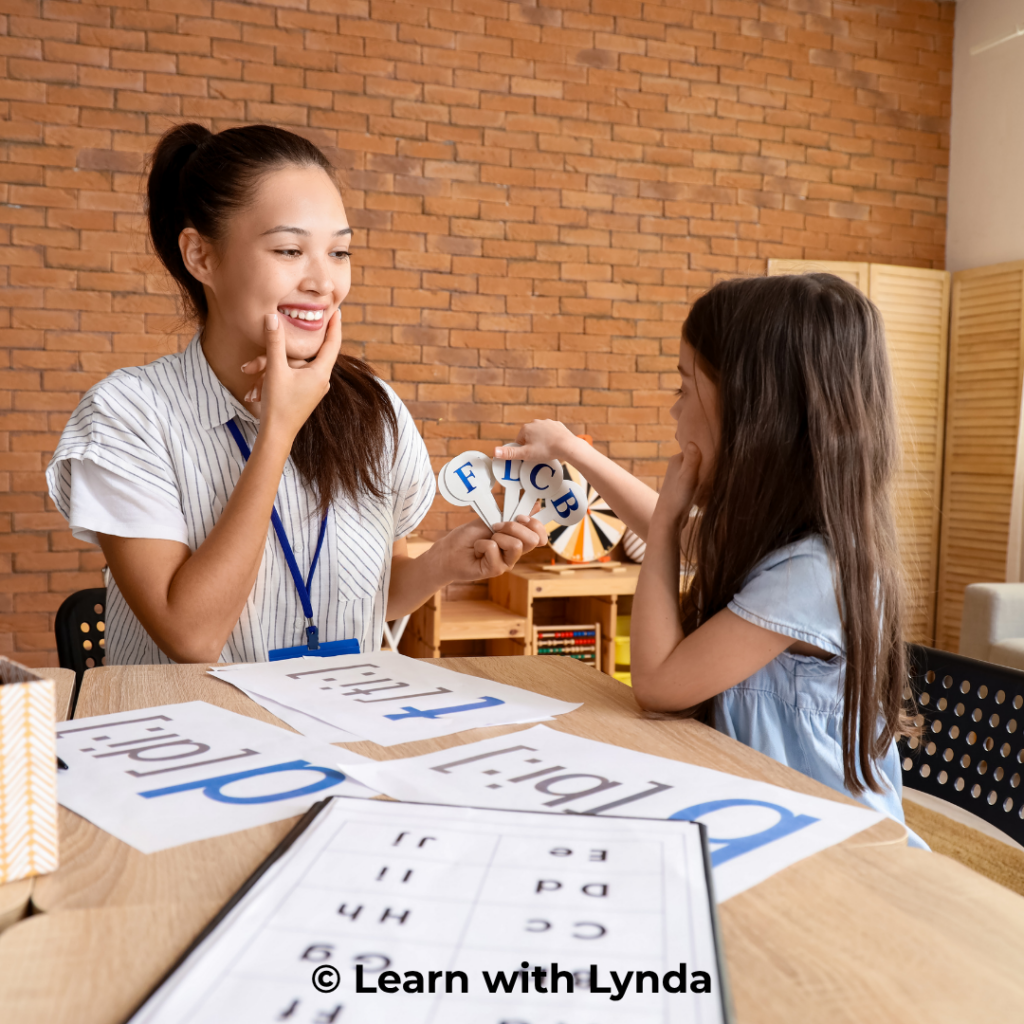

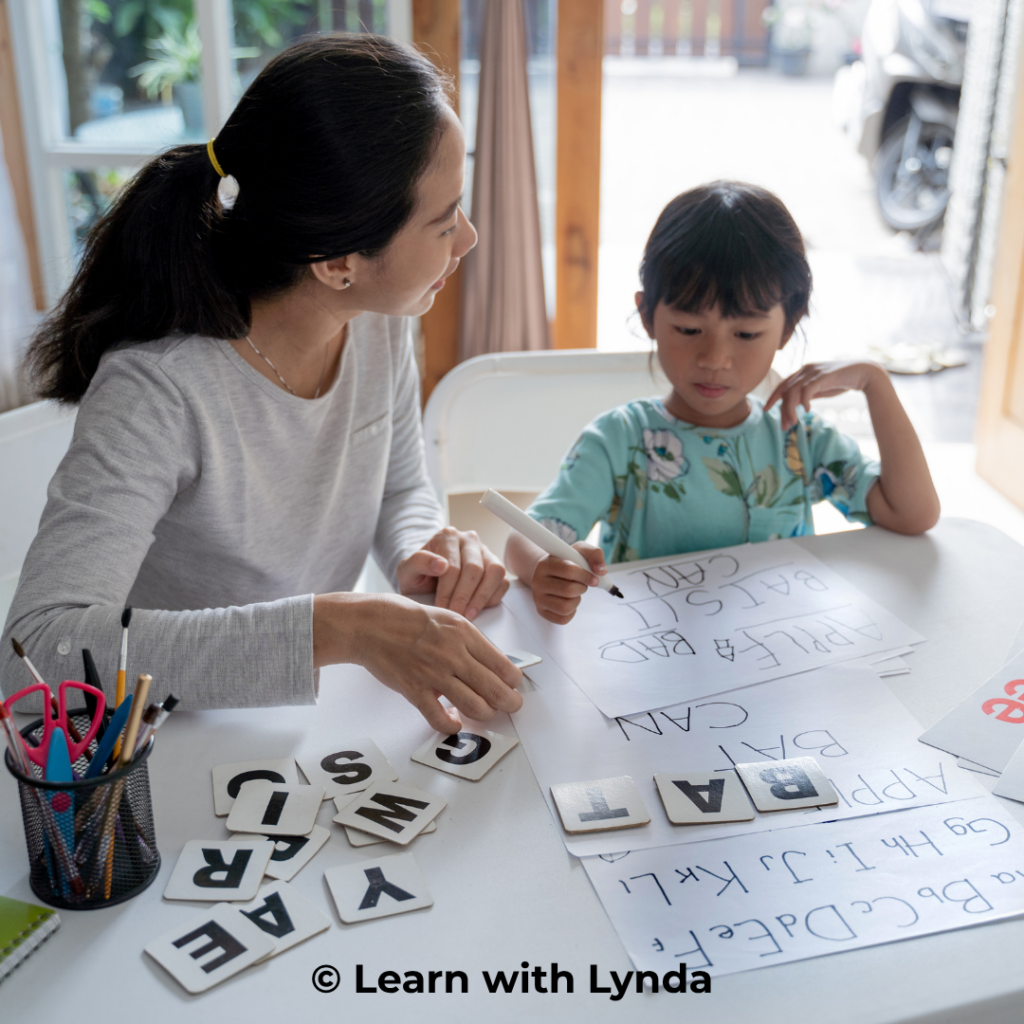
Early Support Can Make a Difference
A child who is struggling with reading does not need to be made to feel like they are behind or failing.
They need instruction that meets them where they are.
With the right support, children can strengthen their foundational reading skills, become more confident, and begin to see themselves as capable readers.
If you recognize several of these signs in your child, trust your gut.
You don’t have to wait until reading becomes a much bigger struggle before asking questions and seeking support.
Sometimes the most helpful first step is simply finding out what is getting in the way.
Happy Learning,
Lynda
Related Blog Posts
My Child Knows Their Letters but Still Can’t Read. What’s Going On?
Supporting Your Child’s Literacy Development
Why Is My Child Struggling to Read: A Parent’s Guide to Finding the Missing Piece
If your child is struggling to learn to read, you may be wondering, “What can I do to help?” This guide will help you understand some of the foundational skills involved in learning to read, recognize where your child may be getting stuck, and discover simple ways you can support them at home.