Are you a parent, caregiver, or educator working with young children?
If yes, there are many simple ways you can help children support your child’s literacy development—long before they start school.
Literacy begins at birth. Babies and young children learn about language through everyday experiences. At home, literacy grows when children play, talk, sing, read, and write with the people around them.
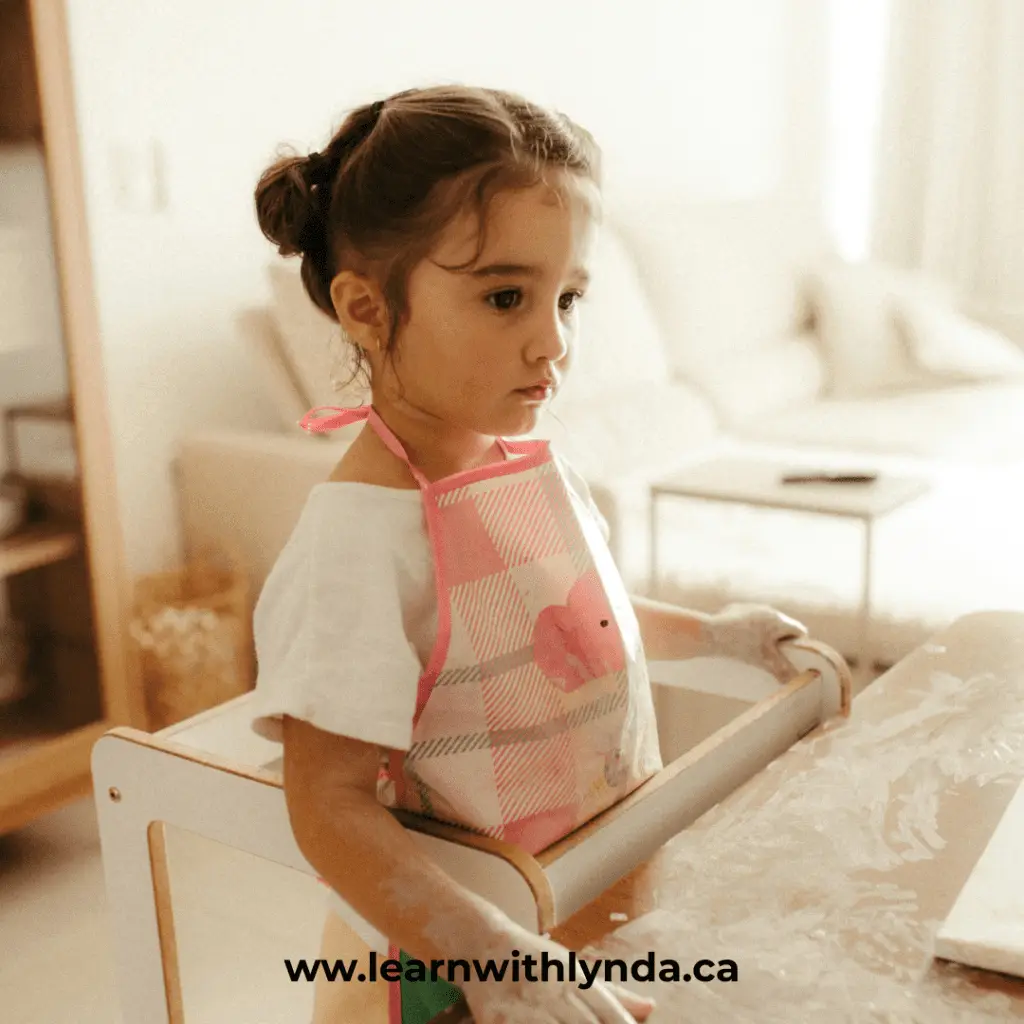
Play Supports Literacy Development
Play is one of the most powerful ways children learn.
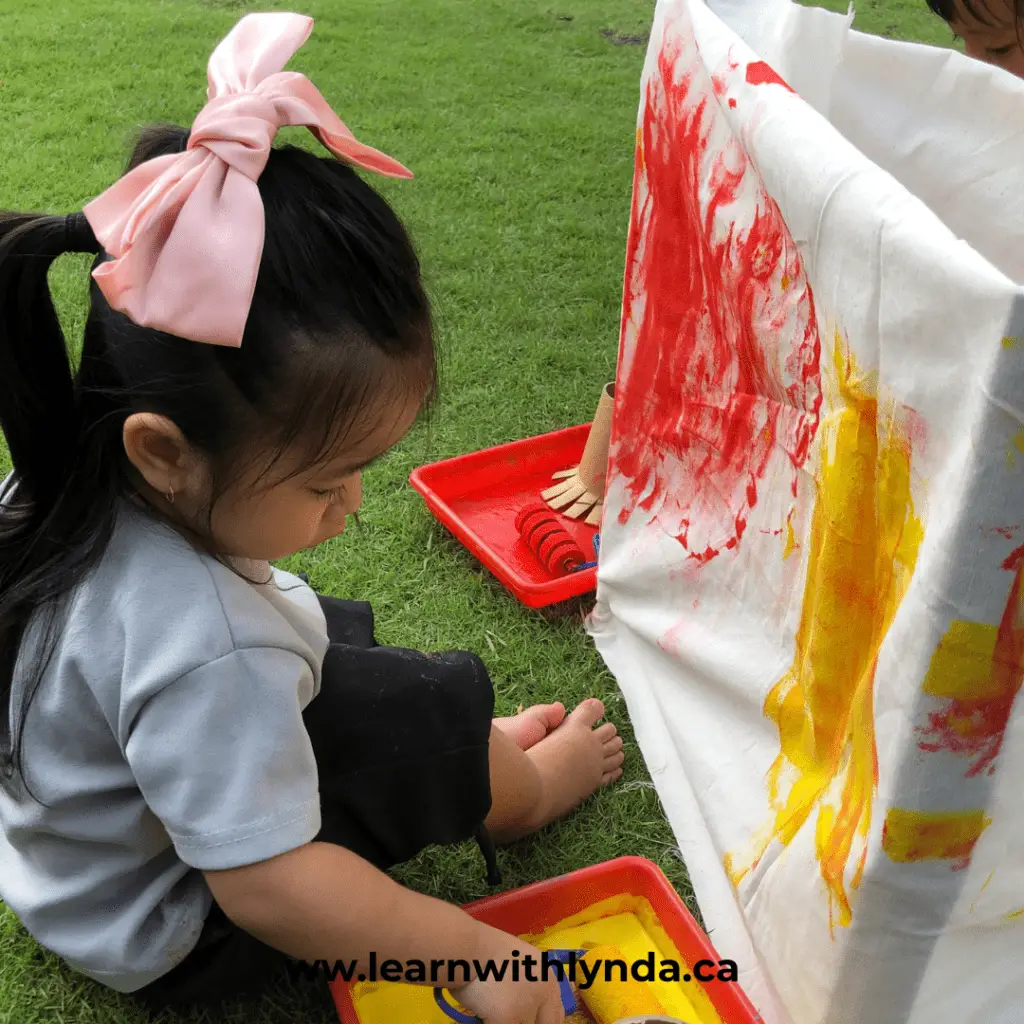
When children play, they solve problems, use their imagination, and explore how the world works. They also begin to use language in meaningful ways.
“Play is the work of childhood.” — Fred Rogers
During play, children often use early reading and writing skills without even knowing it.
Examples of play that support literacy:
- Pretend play with real-life items like recipe books, menus, flyers, or notebooks
- Playing “store,” “school,” or “restaurant” and using signs or lists
- Dress-up play where children act out stories or roles
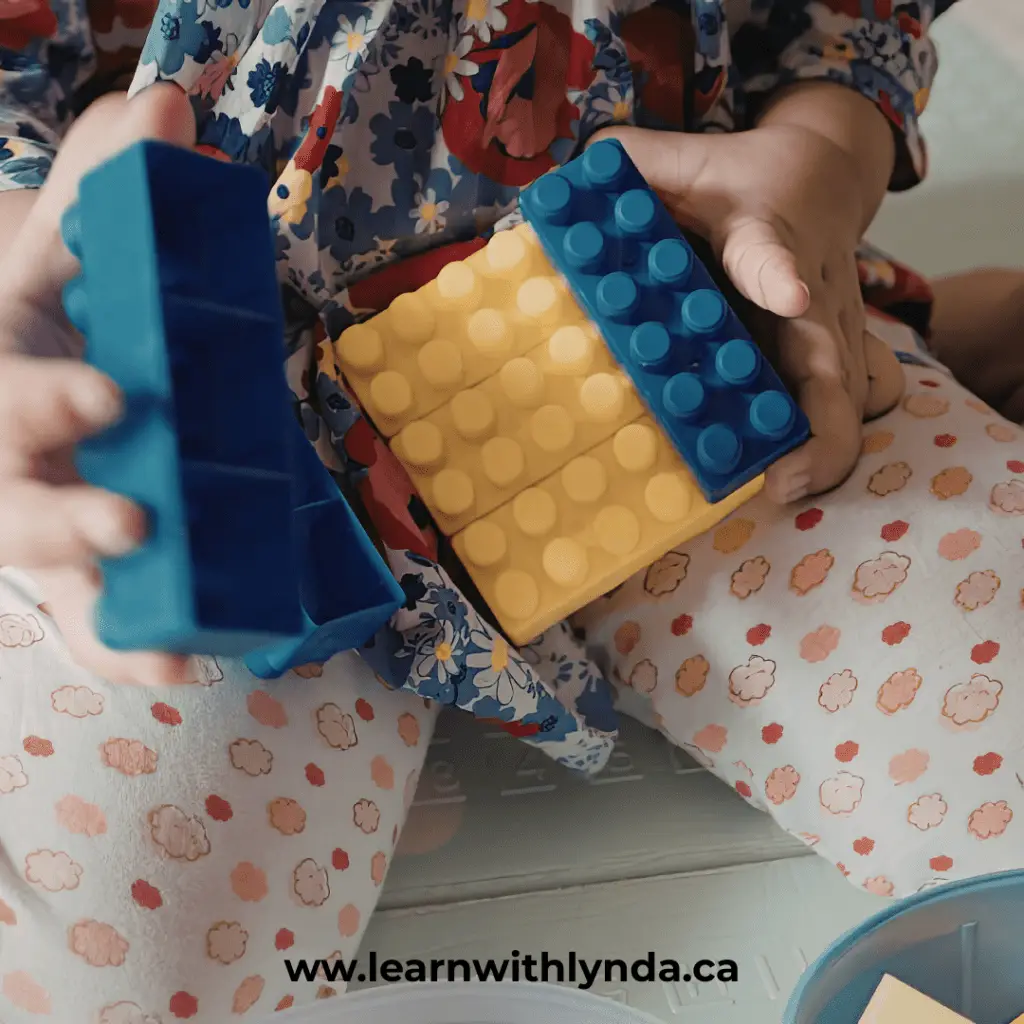
- Small world play with toys, blocks, or nature items (sticks, rocks, leaves)
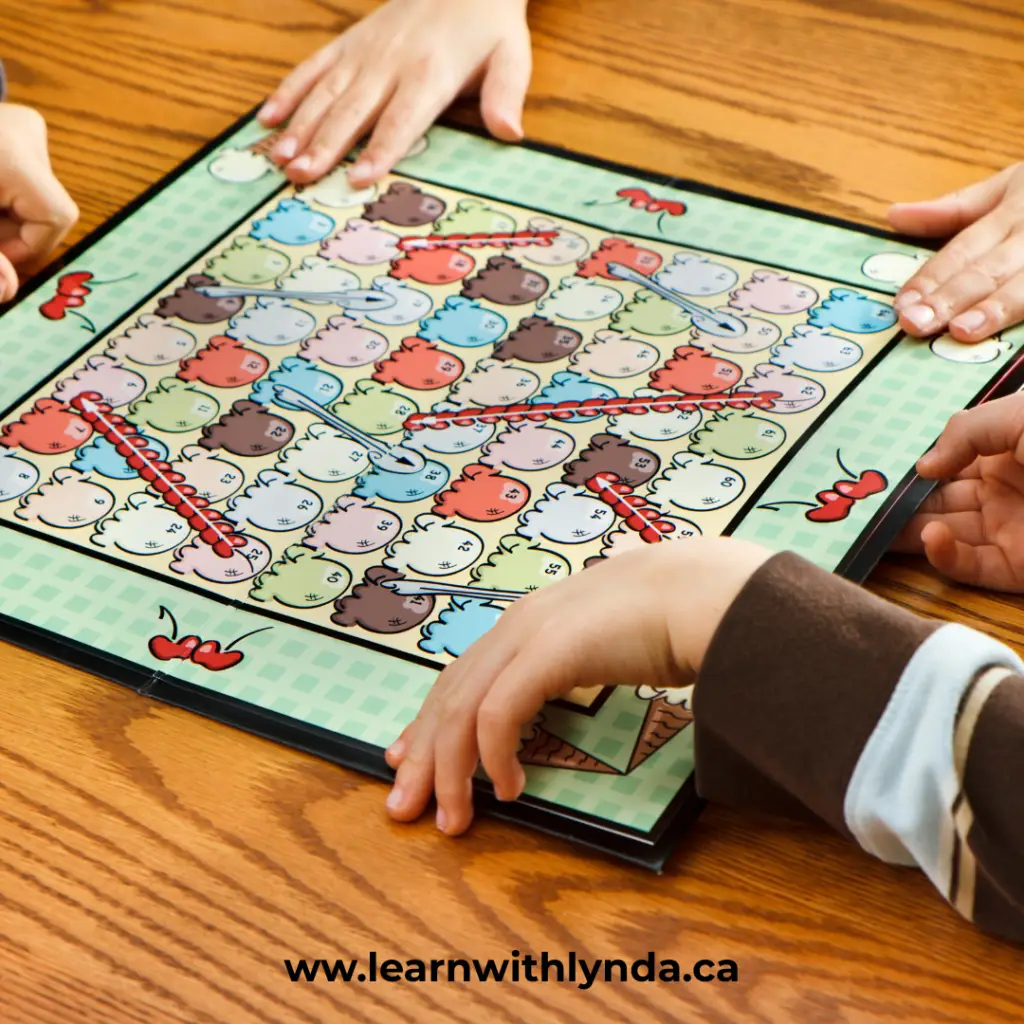
- Board games like Snakes and Ladders that include symbols, numbers, and turn-taking
- Building with blocks and creating signs or labels for their structures
Through play, children learn new words, tell stories, and make meaning.
Talking Supports Literacy Development
Talking with children helps their brains grow.
When children hear and use language, they learn how communication works. Back-and-forth conversations are especially important.
“The more words children hear, the better they learn to read.” — Betty Hart
Ways talking supports literacy:
- Builds vocabulary
- Helps children learn to listen and respond
- Encourages asking and answering questions
- Supports storytelling and retelling events
Simple ways to add more talk:
- Describe what you are doing (“I’m cutting the apples”)
- Ask open-ended questions (“What do you think will happen next?”)
- Talk during daily routines like meals, bath time, or getting dressed
- Share stories about your day and invite your child to share theirs
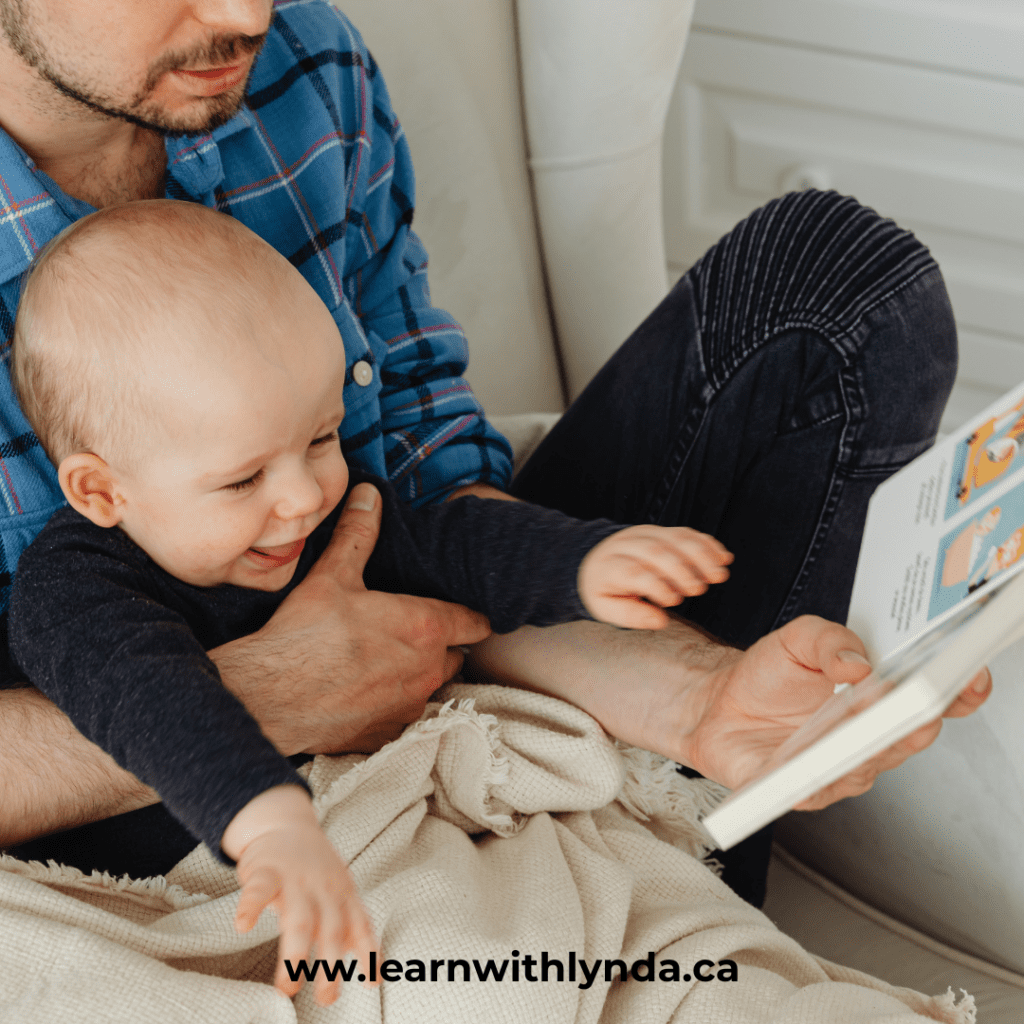
Singing and Nursery Rhymes Support Literacy Development
Songs and rhymes help children hear the sounds in words. This skill is very important for learning to read later.
“Nursery rhymes help children develop an ear for language.” — Mem Fox
How singing helps:
- Builds awareness of sounds and rhymes
- Uses repetition, which helps memory
- Makes learning fun and engaging
Examples to try:
- Sing nursery rhymes like Twinkle, Twinkle, Little Star
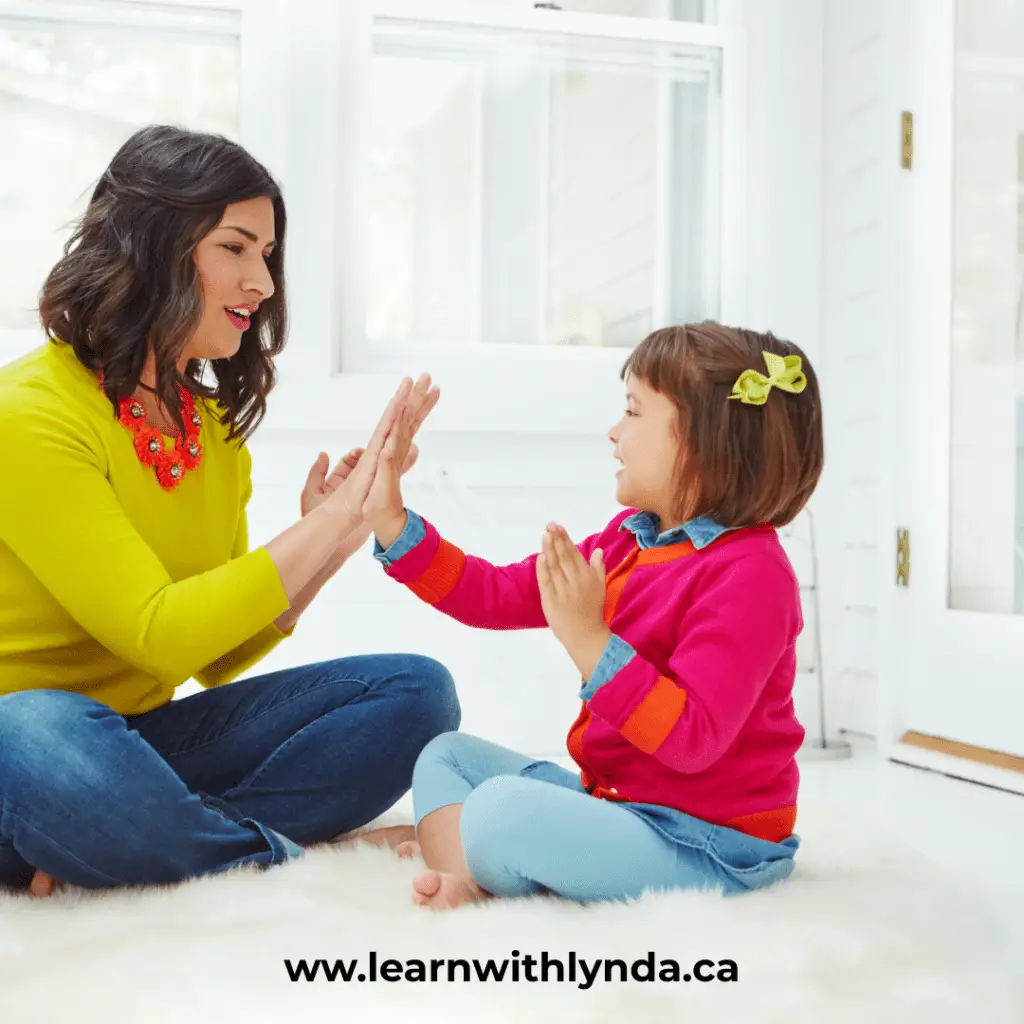
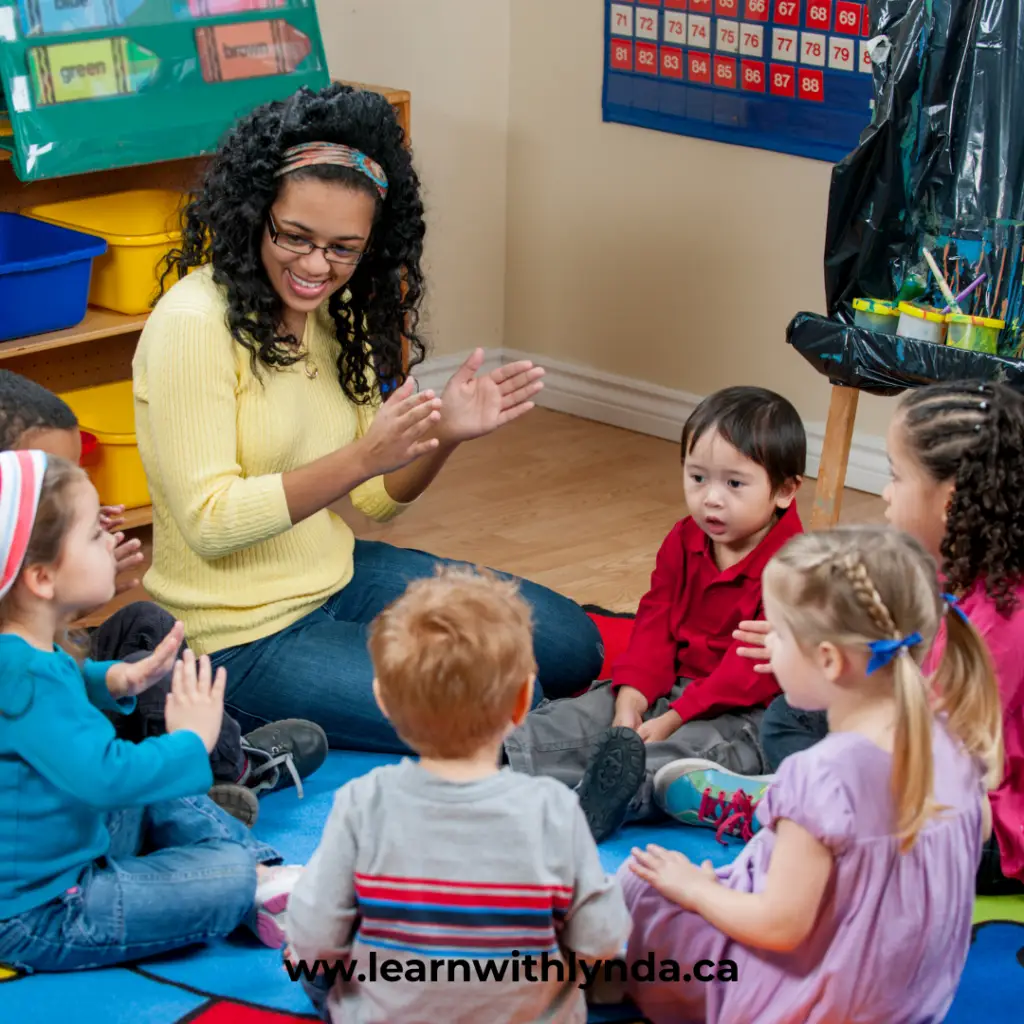
- Clap or tap to the rhythm of songs
- Do finger plays like Itsy Bitsy Spider
- Make up silly songs using your child’s name
Reading Supports Literacy Development
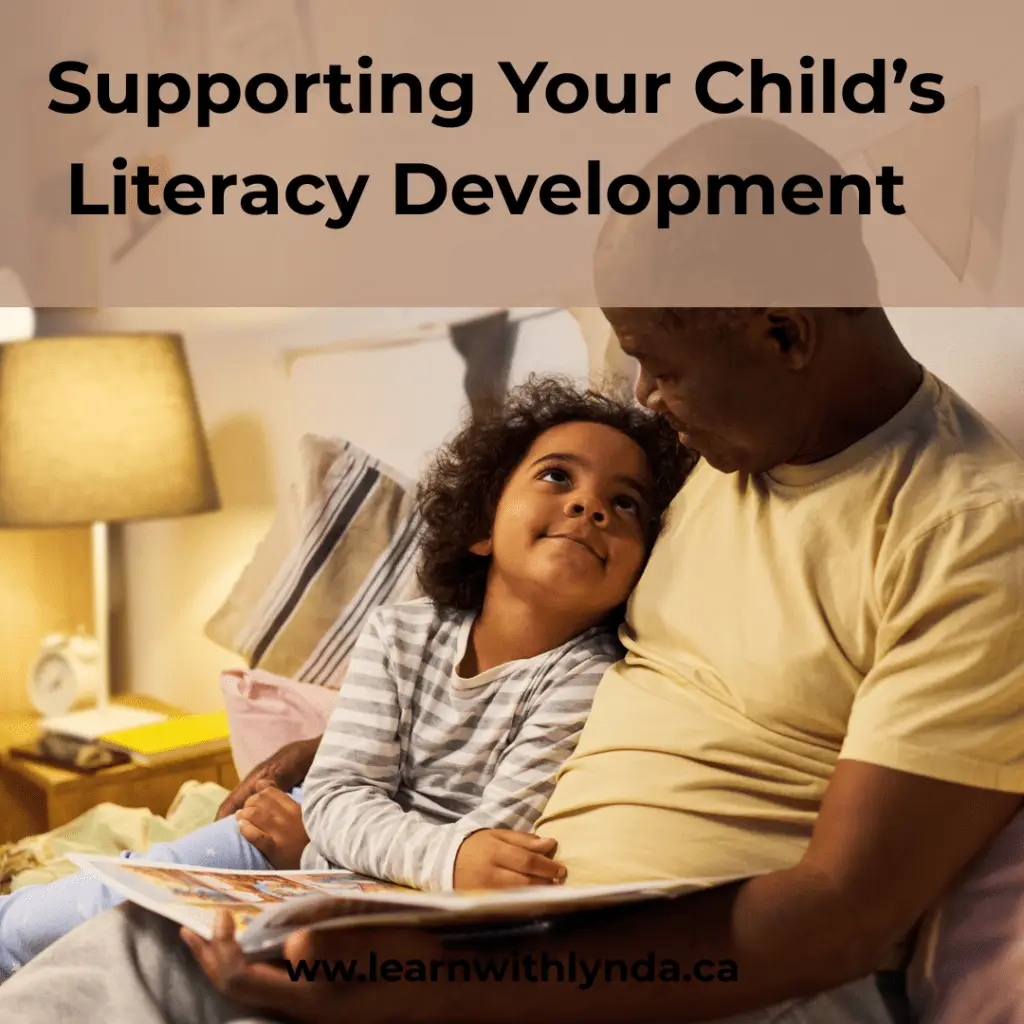
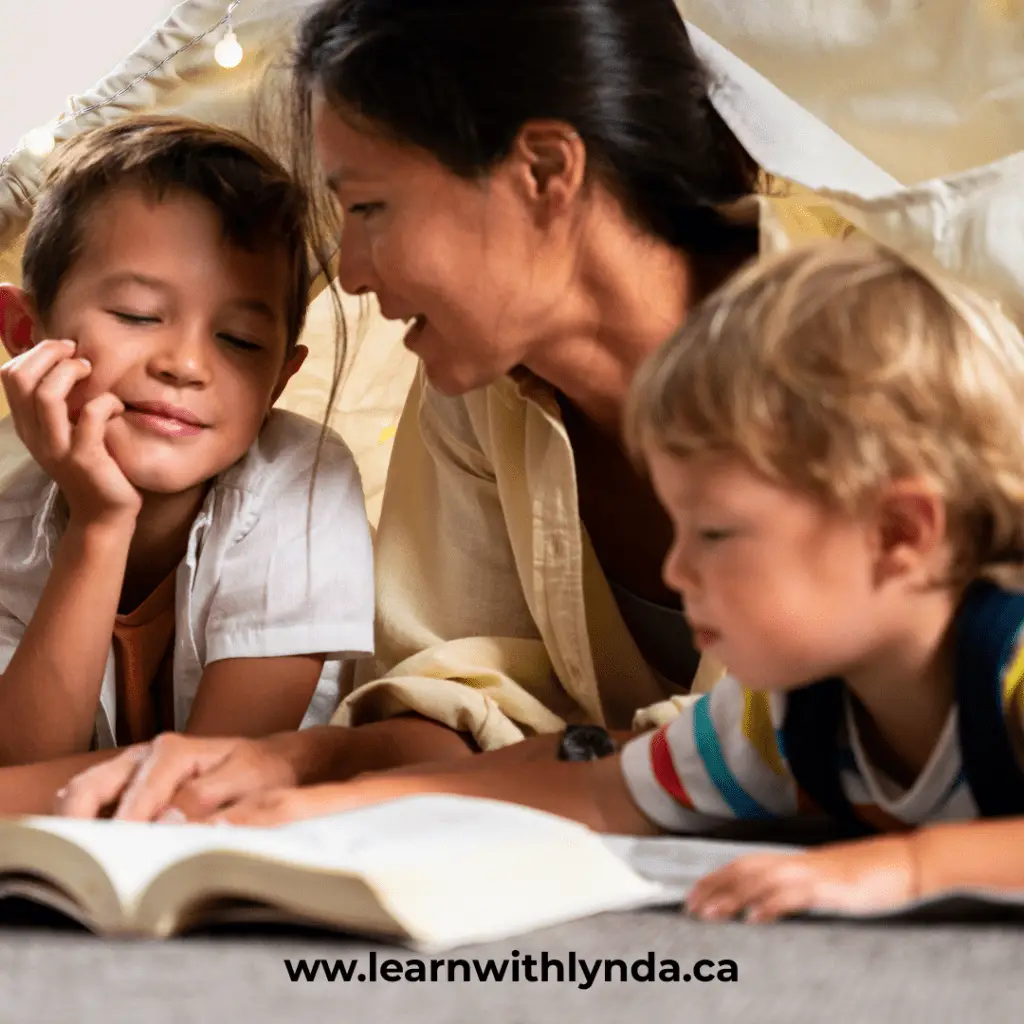
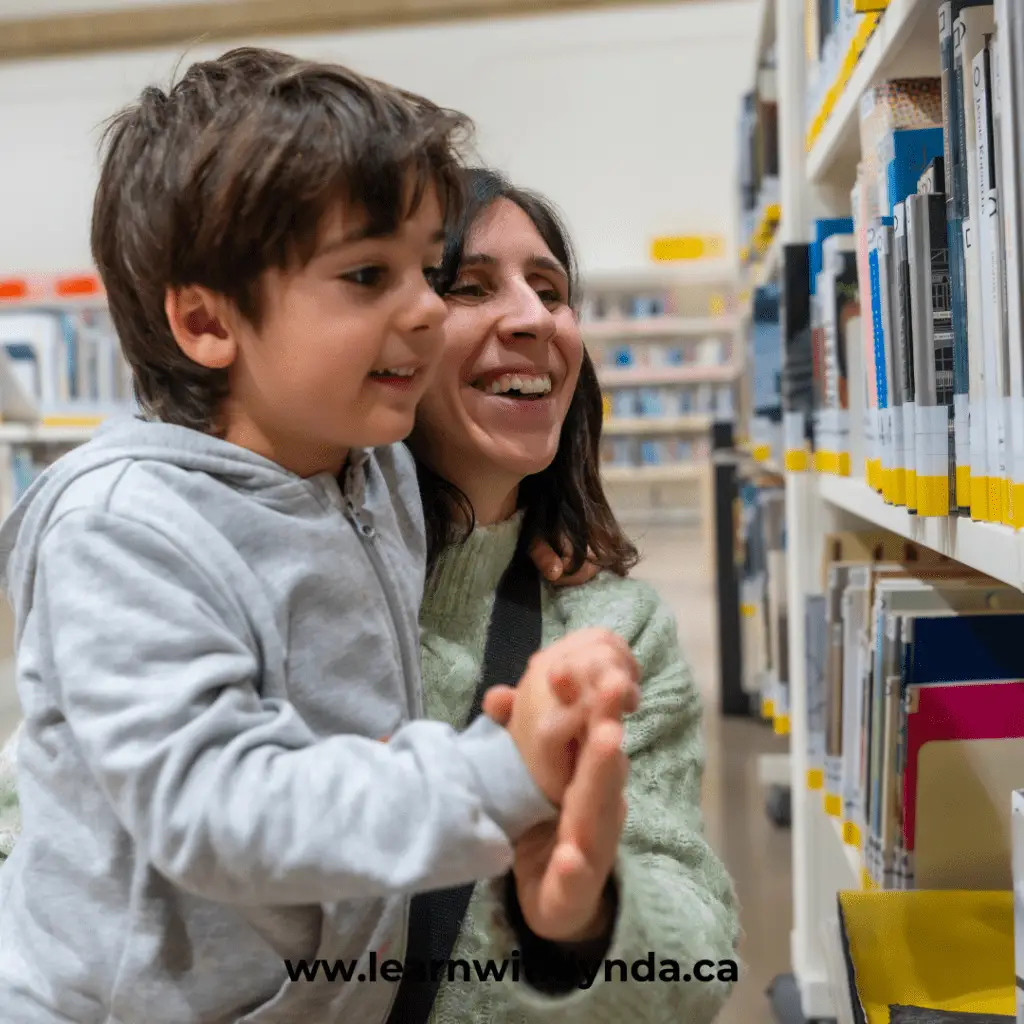
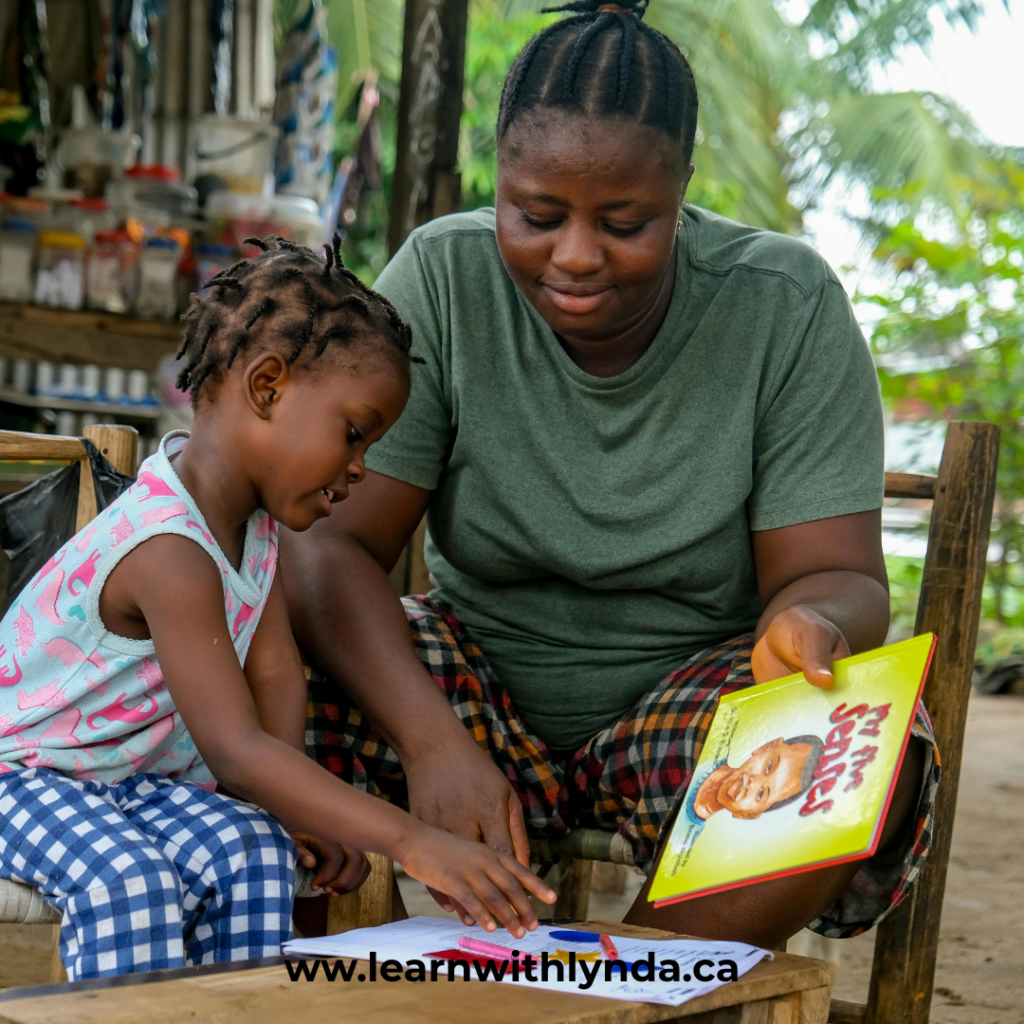
Reading together is one of the best ways to support early literacy.
“The single most important activity for building knowledge required for eventual success in reading is reading aloud to children.” — Jim Trelease
When you read with your child, they learn:
- New words and ideas
- How books work (turning pages, reading left to right)
- That print has meaning
- That stories can be fun and interesting
Ways to make reading meaningful:
- Read the same book many times (children love repetition!)
- Talk about the pictures
- Ask simple questions (“What do you see?” “What might happen next?”)
- Let your child hold the book and turn the pages
Want to learn more about Reading Development in Grades 1 to 3 – check this out
Writing Supports Literacy Development
Writing begins long before children can form letters.
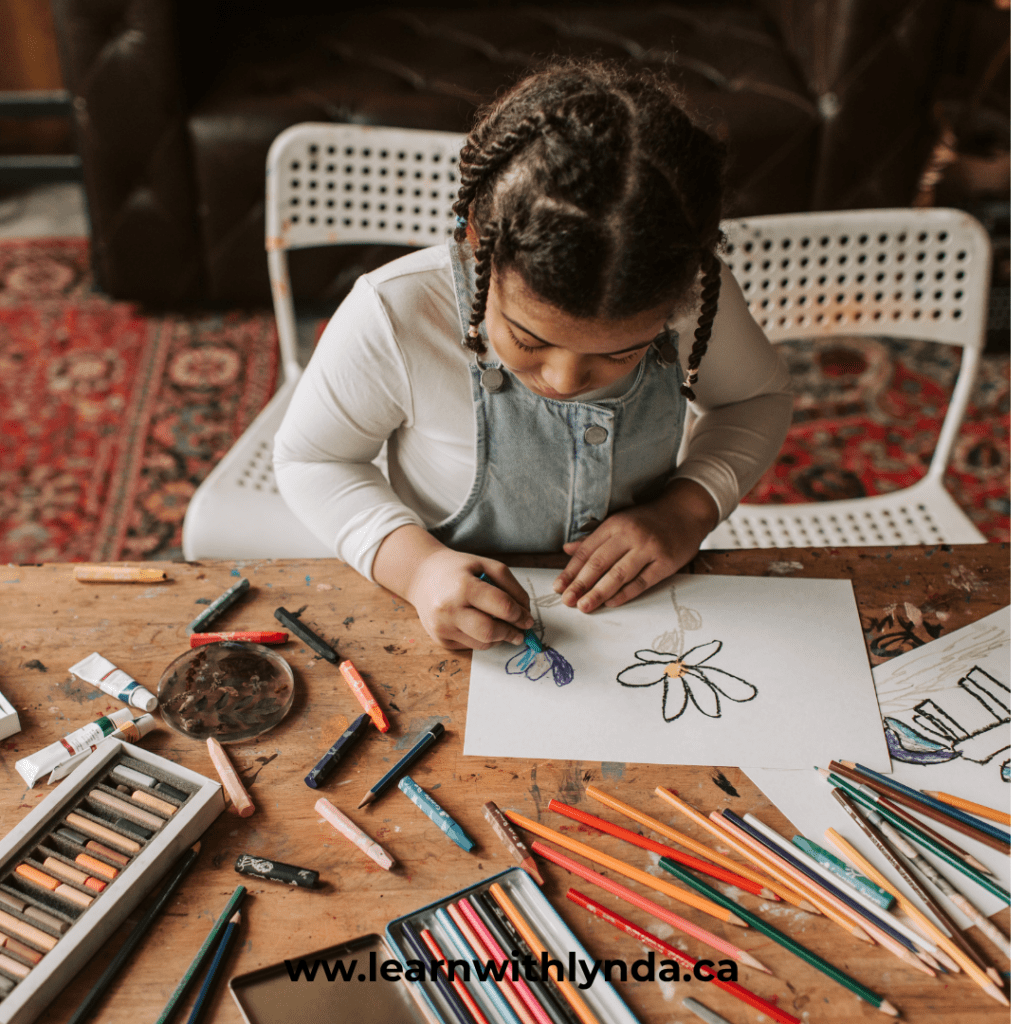
Young children express ideas through drawing, scribbling, and telling stories.
“Writing is a way of learning.” — Donald Graves
Early writing includes:
- Drawing pictures and talking about them
- Scribbling with crayons or markers
- Dictating stories for an adult to write down
- Making lists (real or pretend)
- Writing letters or signs during play
Simple ways to encourage writing:
- Provide paper, crayons, markers, and pencils
- Invite your child to “help” write a grocery list
- Label drawings with their words
- Encourage pretend writing during play

Supporting literacy does not require worksheets or formal lessons.
It happens through everyday moments—when you play, talk, sing, read, and write together.
These simple interactions build strong foundations for reading and writing success.
Most importantly, they help children see that literacy is meaningful, useful, and fun.
Happy Learning,
Lynda