What Is Play and Why Is It Important?
“They’re just playing.”
How many times have you heard someone say that?
To many adults, play can look like a break from learning. But research tells us something very different. Play is one of the most powerful ways children learn and grow.
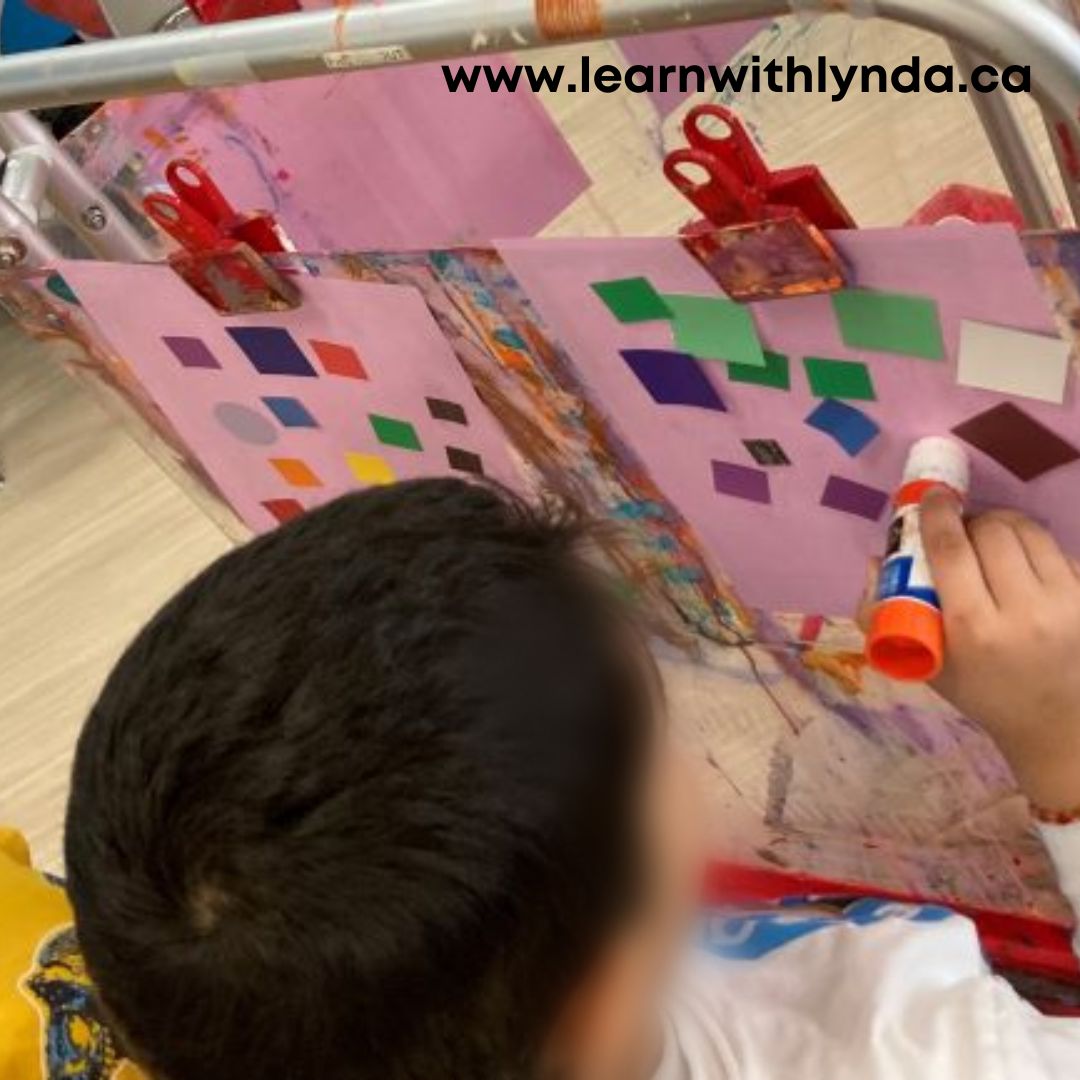
Dr. Peter Gray, a psychologist and researcher who studies children’s play, explains that children learn many important life skills through play that cannot be taught through worksheets or instruction alone. Play helps children become confident, creative, and independent learners.
Whether you are a parent or a teacher, understanding the value of play can change the way you see children’s learning.
What Is Real Play?
Not every activity is play.
According to Dr. Peter Gray, true play has four important features:
- Children choose it themselves. They decide what to play and how to play it.
- They play because they enjoy it. The fun comes from the activity itself, not from prizes or rewards.
- Children create the rules. Even when adults don’t notice, children are making and changing rules together.
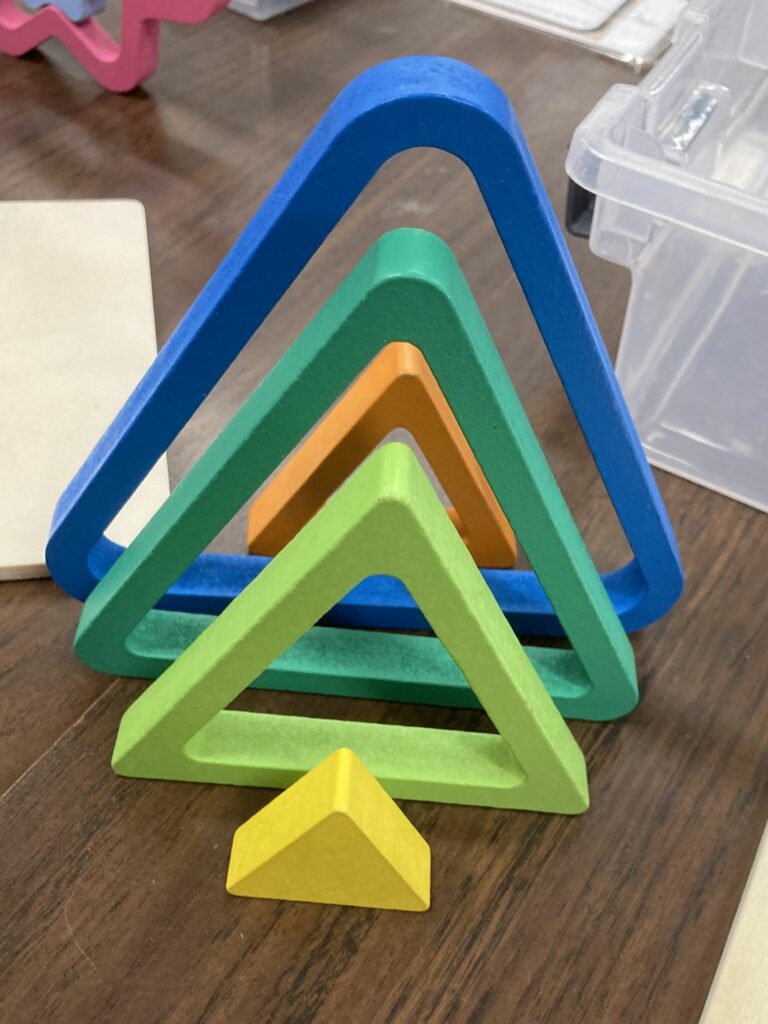
- Play uses imagination. Children pretend, create stories, solve problems, and think in new ways.
These features make play a powerful learning experience.
1. Play Builds Social Skills
One of the biggest lessons children learn during play is how to get along with others.
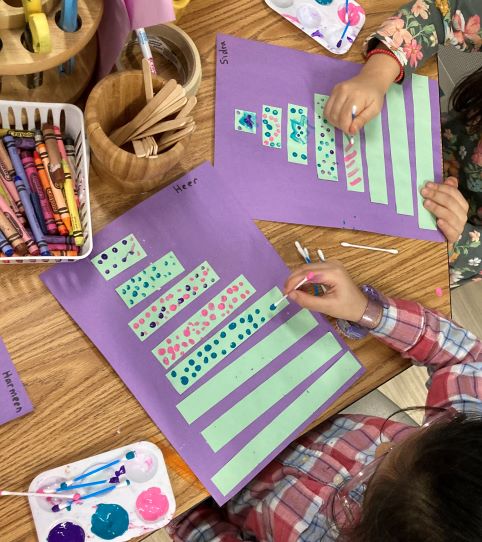
As children play together, they learn to:
- take turns
- share ideas
- solve disagreements
- listen to others
- work as a team
No adult can fully teach these skills with words alone. Children learn them by practicing them every day while they play.

2. Play Grows Problem-Solving Skills
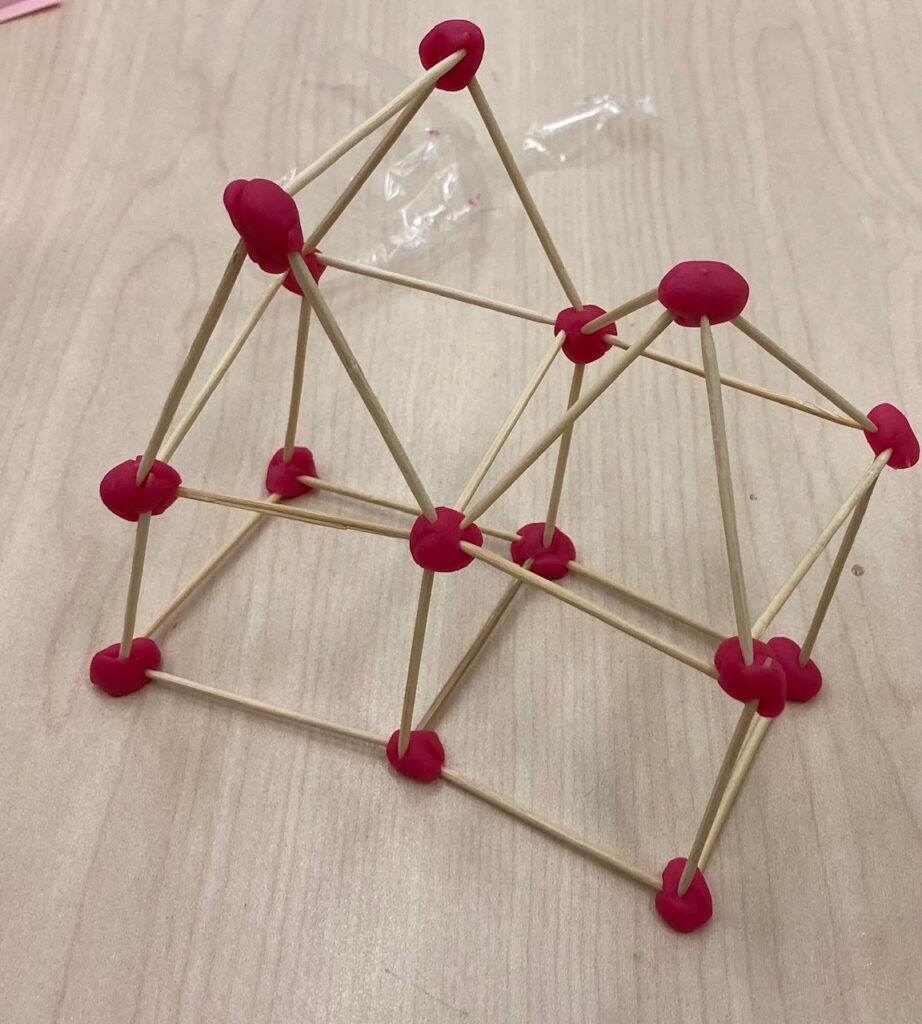
Every play experience gives children new challenges.
A tower falls down.
The pretend restaurant needs more customers.
The race track doesn’t work.
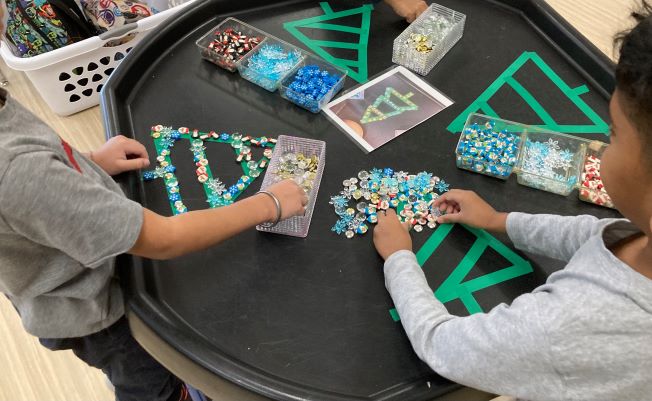
Instead of giving up, children try again. They test ideas, make changes, and learn from mistakes.
These experiences build flexible thinking and problem-solving skills that will help children throughout their lives.
3. Play Encourages Creativity
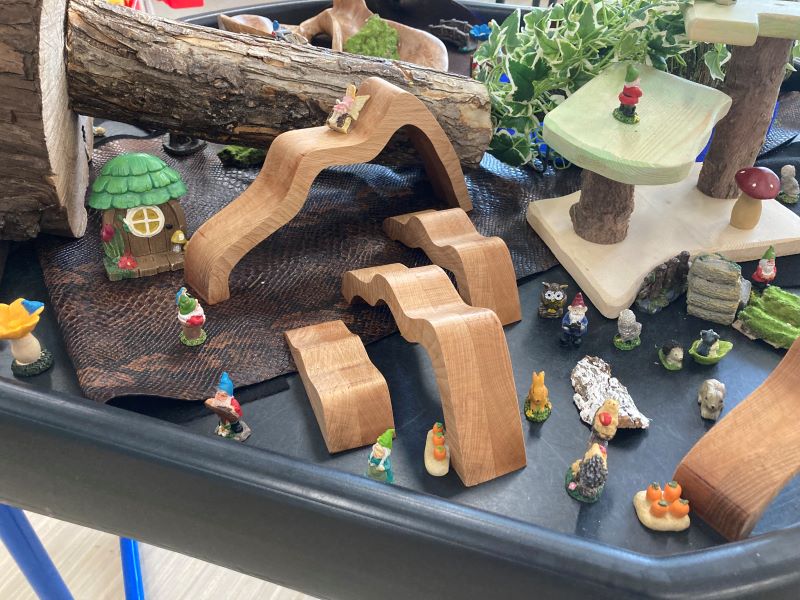
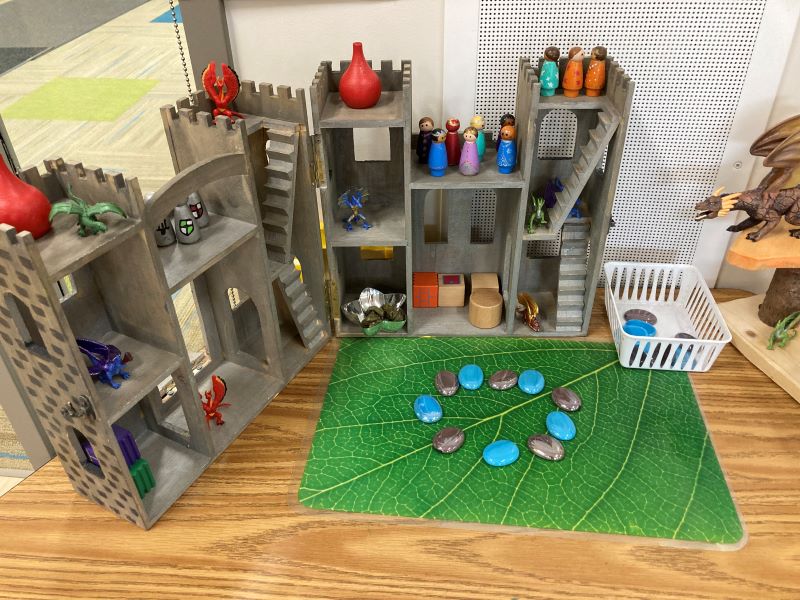
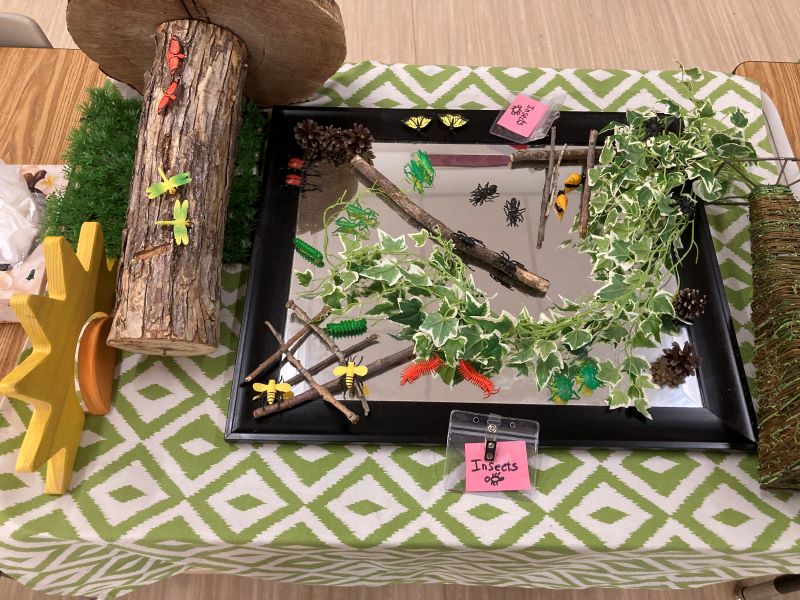
During play, a stick can become a magic wand.
A cardboard box can become a spaceship.
A blanket can become a castle.
Imaginative play helps children think beyond what they see. This creativity also supports writing, reading, science, art, and innovation later in life.
4. Play Builds Confidence and Independence
When children make their own choices, they learn to trust themselves.
They decide:
- What should I build?
- Who should I be?
- How can I fix this problem?
Each decision helps children become more independent and confident in their own abilities.
5. Play Helps Build Strong Brains
Scientists know that children’s brains grow through meaningful experiences.
During play, children are thinking, moving, talking, imagining, and solving problems all at the same time. These experiences strengthen the brain and support learning in every area of development.
What This Means for Parents and Teachers
Sometimes we feel pressure to fill every minute with lessons, worksheets, or organized activities.
But children also need uninterrupted time for free play.
When we give children opportunities to explore, imagine, build, create, and play with others, we are helping them develop skills they will use for the rest of their lives.
As adults, our role is not to control every game. Instead, we can:
- provide interesting materials
- create safe spaces to play
- observe children’s ideas
- ask thoughtful questions
- join in when invited
Then, step back and let the learning happen.
Play is Learning
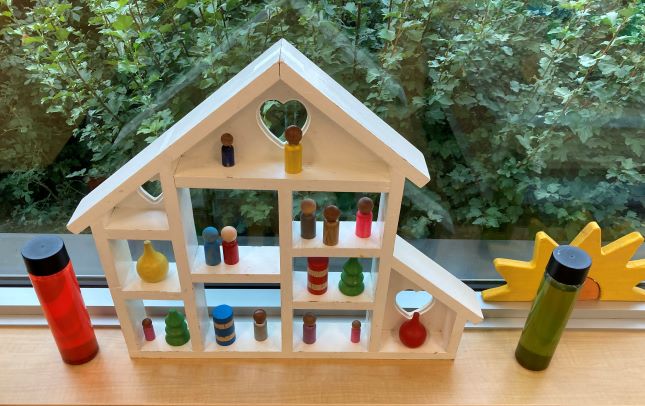
Play is not a reward after learning.
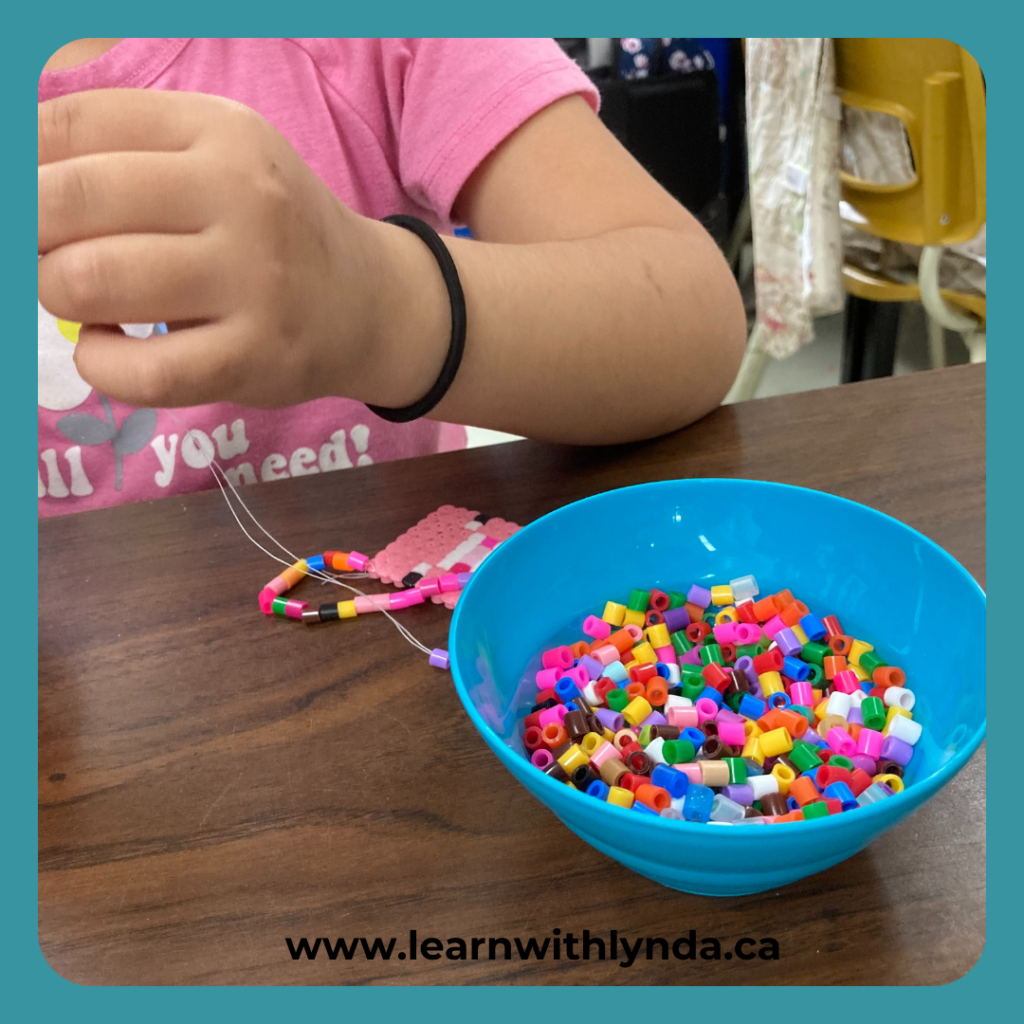
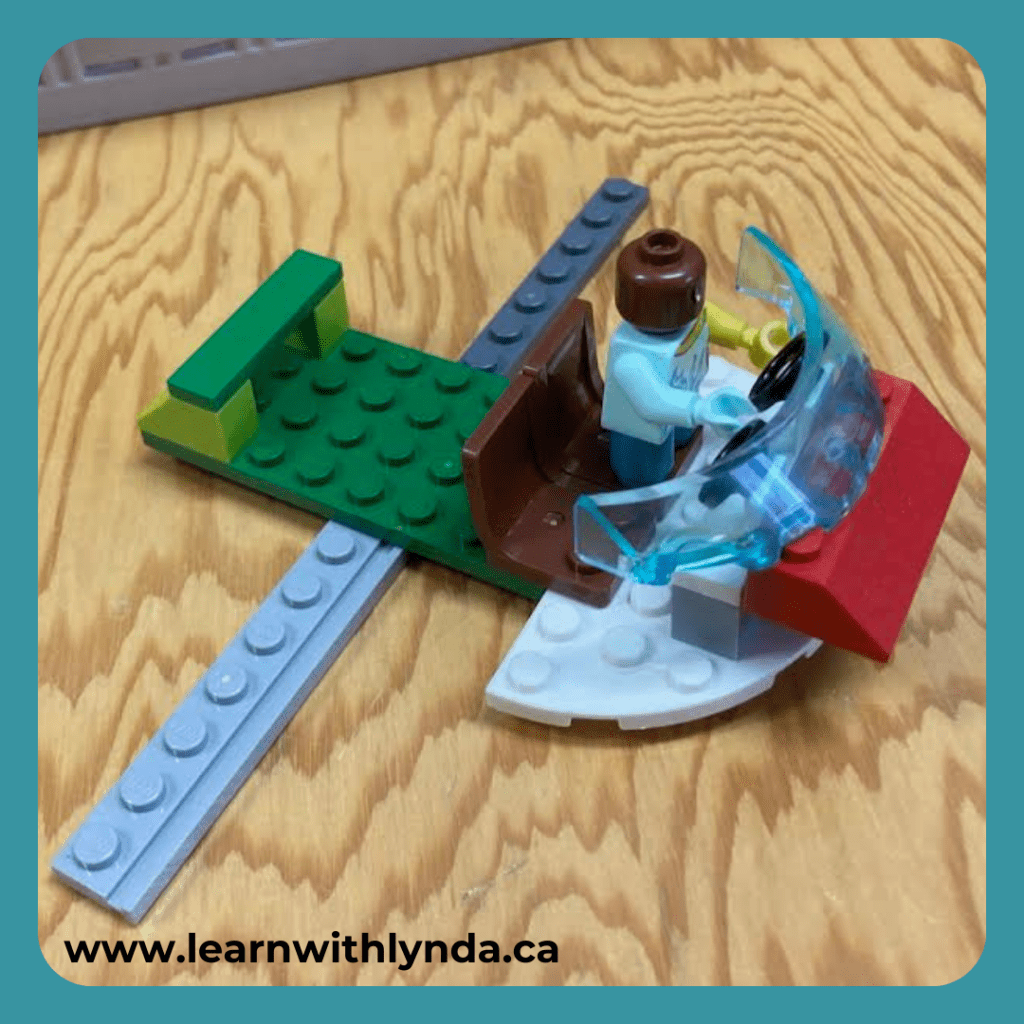
Every game, pretend adventure, block tower, art project, and outdoor exploration helps children build the skills they need for school and for life.
The next time you see a child deeply engaged in play, remember—they’re doing some of the most important work of childhood.
Interested in setting up Play in your classroom – Setting Up a Playful Learning Classroom in Grade One and Two – Learn With Lynda