When we think about problem-solving, we often picture math lessons, science experiments, or puzzles.
But did you know that one of the best places children learn to solve problems is at the art table?
Every time a child paints, builds, cuts, uses glue, sculpts, or creates, they make decisions, test ideas, and find solutions. These experiences help them become flexible thinkers who are ready to tackle challenges both in school and in everyday life.
Whether you’re a parent creating at home or a teacher planning a playful learning classroom, art is one of the simplest ways to help children become confident problem solvers.
Here are five ways art helps children develop this important life skill.
1. Art Encourages Children to Think Creatively
There is rarely one “right way” to create a piece of art.
A child might decide to:
- Mix two colours together.
- Use cardboard instead of paper.
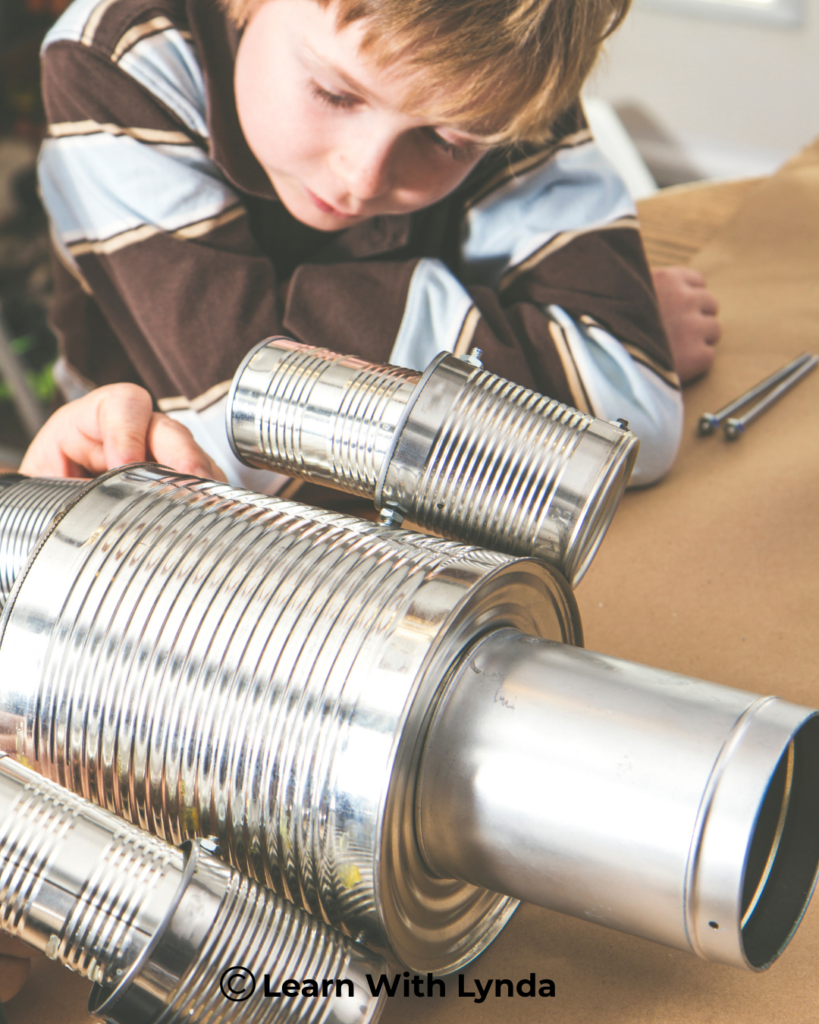
- Build with recycled materials.
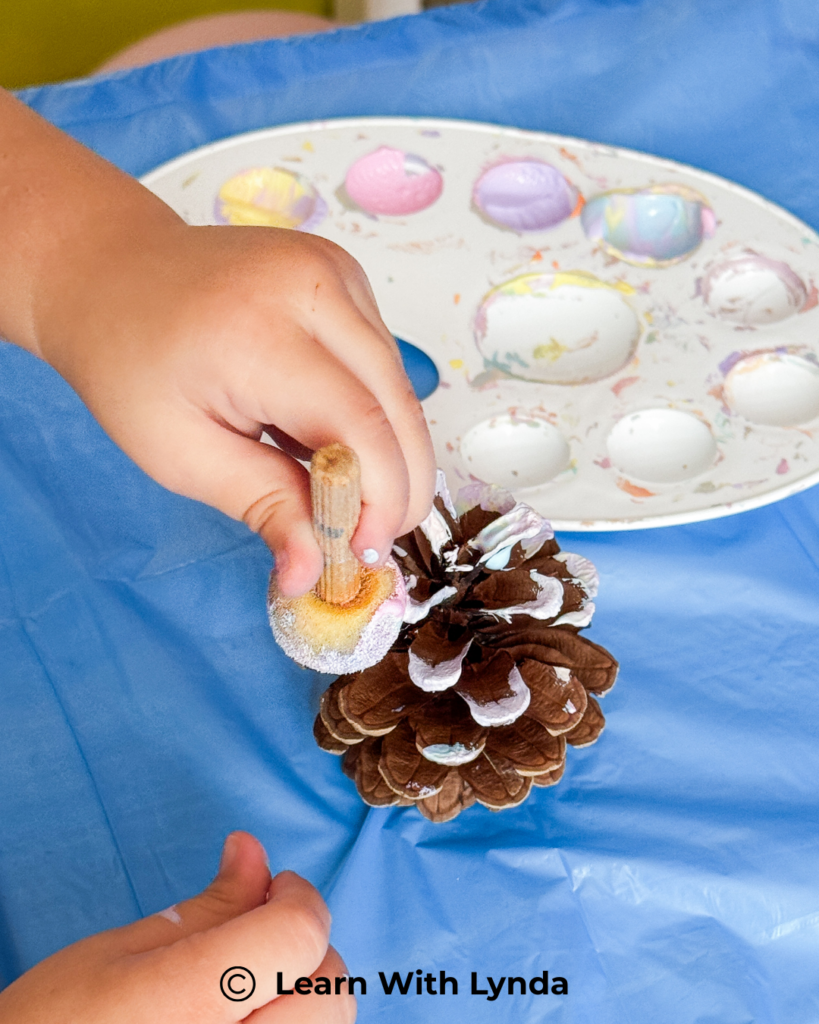
- Paint with a sponge instead of a brush.
Each choice encourages children to think creatively and try new ideas.
When children learn that there are many ways to solve one problem, they become more flexible thinkers in other areas of learning too.
2. Art Gives Children a Safe Place to Make Mistakes
Not every project goes as planned.
Paint drips.
Glue doesn’t stick.
A tower falls over.
Paper tears.
Instead of seeing these moments as failures, children learn to ask:
“What can I do differently next time?”
Art teaches children that mistakes are not something to fear. They are opportunities to learn, adjust, and keep going.
That mindset helps children face challenges with confidence.
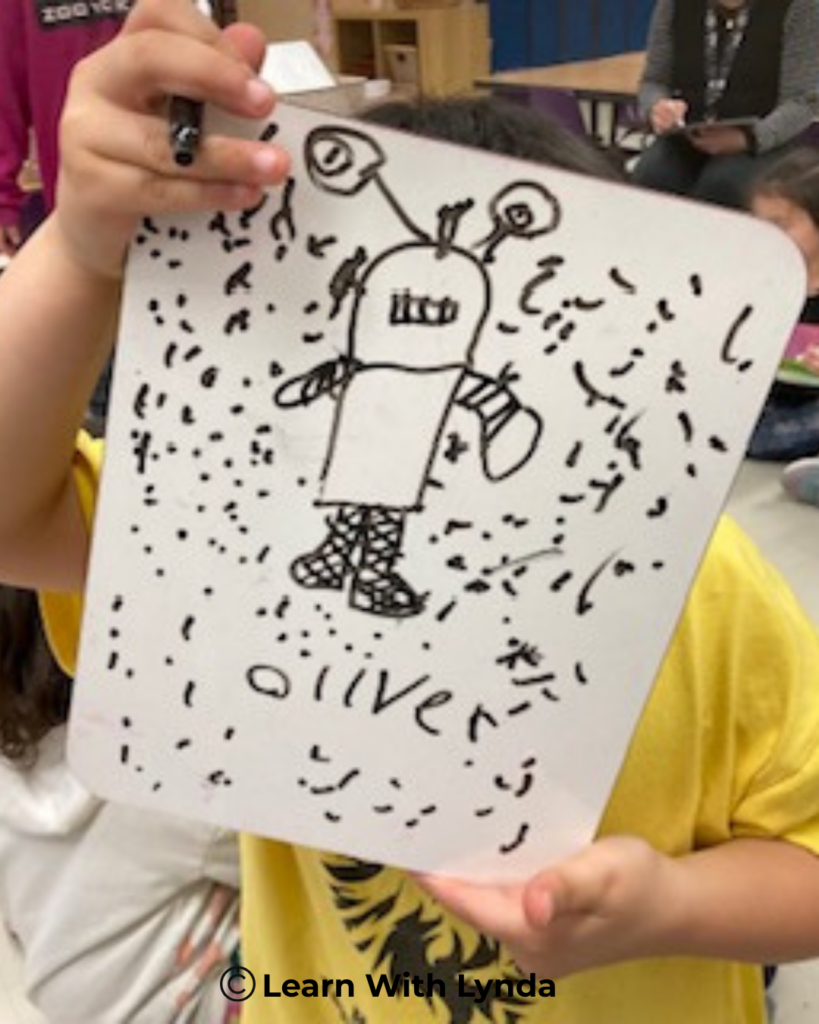
3. Art Teaches Children to Plan and Make Decisions
Every creative project begins with choices that a child asks themself.
What materials should I use?
What colours work best?
How will I build this?
Should I change my idea?
These small decisions help children learn to think ahead, make plans, and adjust when something doesn’t work.
Planning is an important part of problem-solving that children will use throughout their lives.
4. Art Helps Children Persevere
Sometimes creating takes time.
A clay sculpture may collapse.
A painting may need another layer.
A weaving project may take several days to finish.
Instead of giving up, children learn that great ideas often take patience and persistence.
Each time they work through a challenge, they build resilience and confidence in their ability to solve problems.
5. Art Builds Confidence to Try Again
One of the greatest gifts art gives children is the confidence to keep trying.
Children discover that there isn’t always one perfect answer.
They can experiment.
Change their minds.
Improve their work.
Try something completely different.
This willingness to keep trying is one of the most valuable problem-solving skills children can develop.
Why Open-Ended Art Matters
Children learn the most when they have the freedom to explore.
Instead of asking every child to make the exact same craft, use open-ended materials and a simple invitation to create.
For example, place out cardboard tubes, paper, tape, markers, buttons, and glue.
Then simply ask:
“What can you create today?”
You might see castles, robots, animals, spaceships, or something you’ve never imagined.
Each child is solving problems in their own unique way.
That’s where the real learning happens.
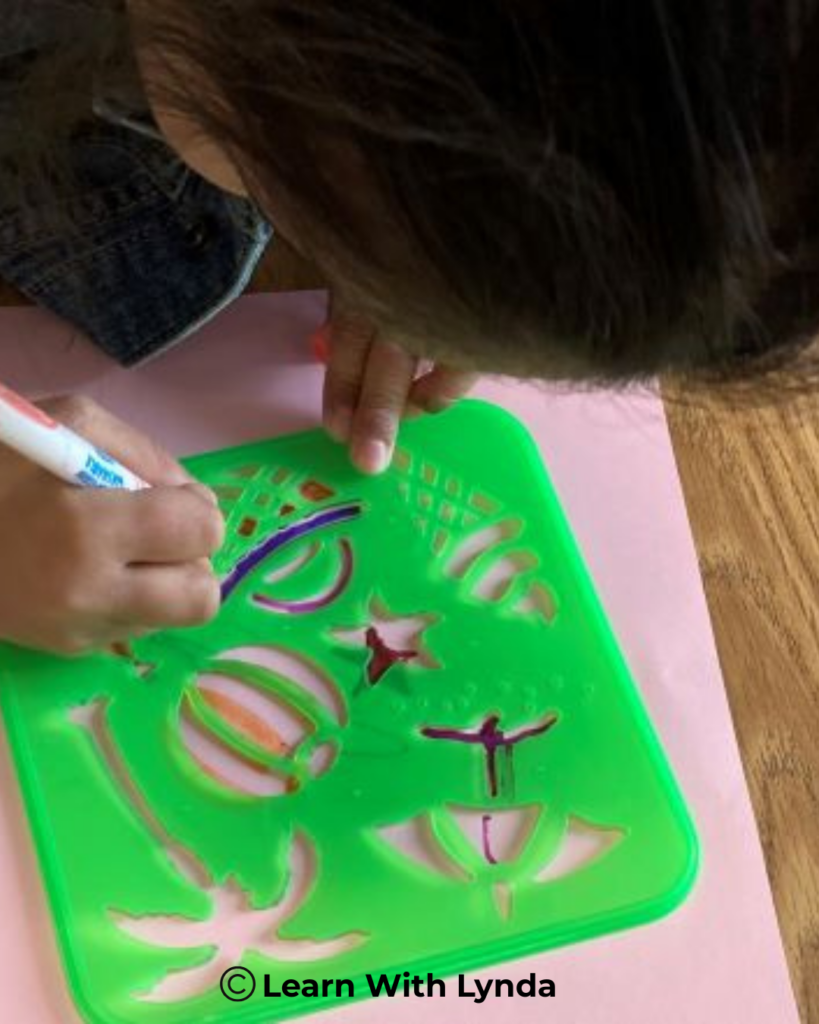
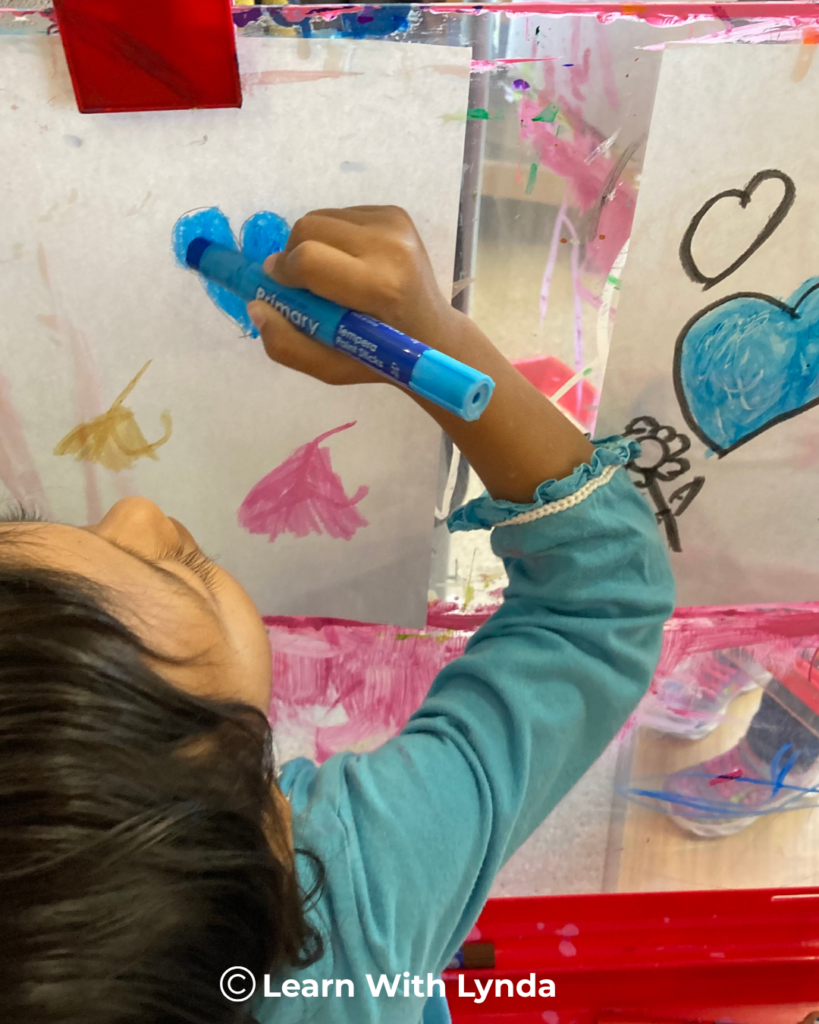
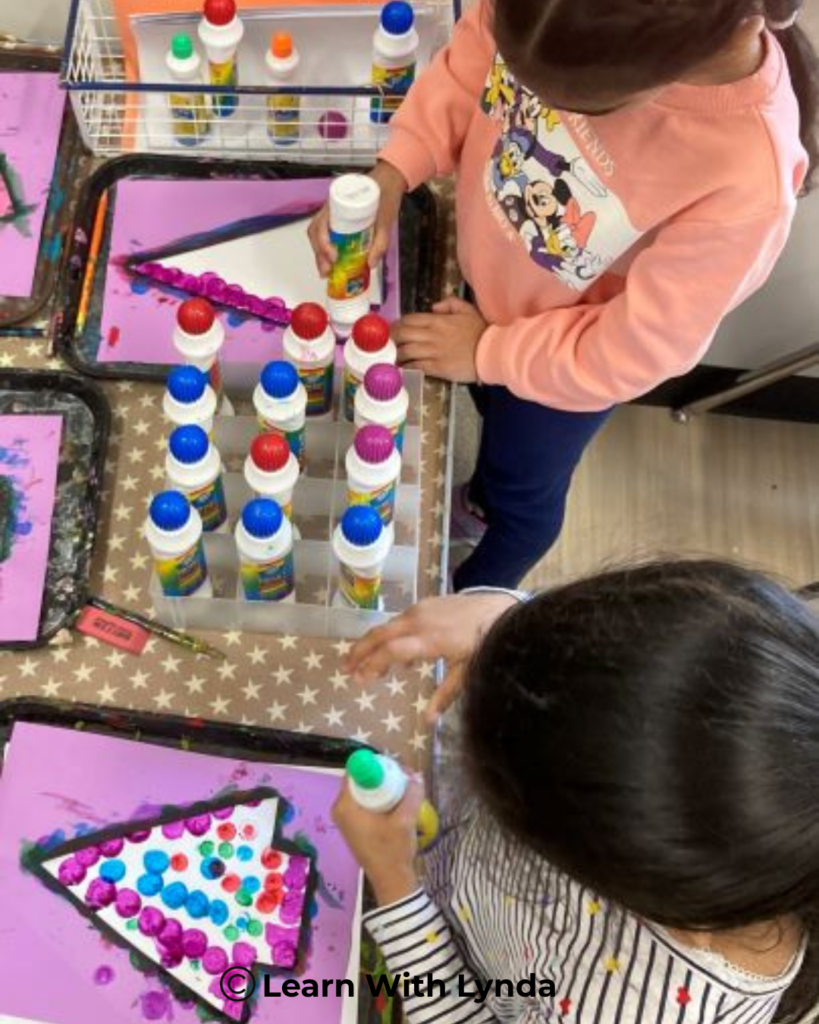
How Parents and Teachers Can Encourage Problem Solving Through Art
You don’t need expensive supplies or complicated projects.
Simple materials often inspire the biggest ideas.
Try asking questions like:
- What else could you try?
- What do you notice?
- How could you make it stronger?
- What happens if you use a different material?
- Can you think of another solution?
These open-ended questions encourage children to think deeply without giving them the answer.
Art is much more than a creative activity. It is a powerful way to help children become confident, capable problem solvers.
When children create, they learn to explore new ideas, work through challenges, make decisions, and keep trying even when something doesn’t go as planned.
Those are skills that will help them far beyond the art table.
So the next time you set out paint, paper, clay, or recycled materials, remember this:
You’re not just creating art.
You’re helping children build the confidence to solve tomorrow’s problems—one creative project at a time.
What creative project has helped a child in your life solve a problem or overcome a challenge?
Share your story in the comments. I’d love to hear how art is making a difference in your home or classroom!
Related Blog Posts
The Benefits of Crafting and Art for Children and Adults | Why Creative Play Matters
10 Life Skills Children Gain Through Art