Scientists have spent years trying to understand how children learn to read. Researchers at Harvard University have even used MRI brain scans to watch how children’s brains change over time. What they discovered is both fascinating and encouraging.
The systems the brain uses for reading do not suddenly switch on when a child starts kindergarten. They begin developing years earlier — long before formal reading lessons begin.
This means that reading truly starts in the early years, even before a child enters school.
The Brain’s Reading Circuit
Through brain imaging studies, researchers have identified networks in the brain that work together when we read. These networks connect the areas responsible for:
- Language (understanding words and meaning)
- Speech sounds (hearing and working with the sounds in words)
- Visual recognition (recognizing letters and patterns quickly)
Together, these systems form what scientists often call the reading circuit. Once the reading circuit is built you you will use decodable texts that support sound-symbol connections. Read more about decodable texts here.
When these connections are strong, children usually find it easier to learn to read. When they are weak, reading can feel confusing and frustrating.
The good news? These brain networks can grow stronger through simple, everyday experiences.


The Brain Prepares for Reading Years Before School
Reading does not begin on the first day of school. The brain has been quietly preparing for it for years.
Every time a child:
- Listens to a story
- Sings a song
- Hears rhymes
- Plays with sounds in words
- Talks about their day
They are building and strengthening the pathways needed for reading.
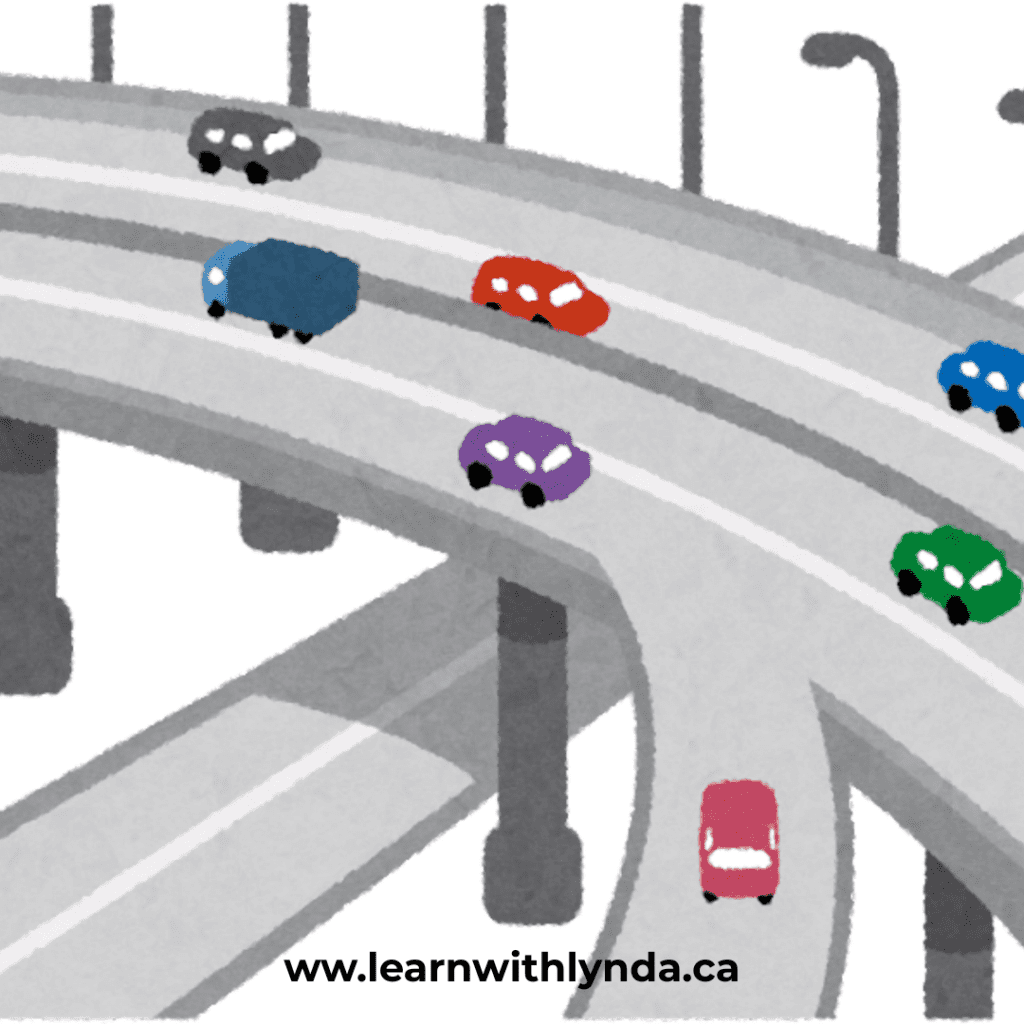
Think of it like building roads. The more often a pathway is used, the stronger and faster it becomes.
What Strengthens the Reading Brain Before School?
The most powerful activities are often the simplest ones.
1. Talking — A Lot
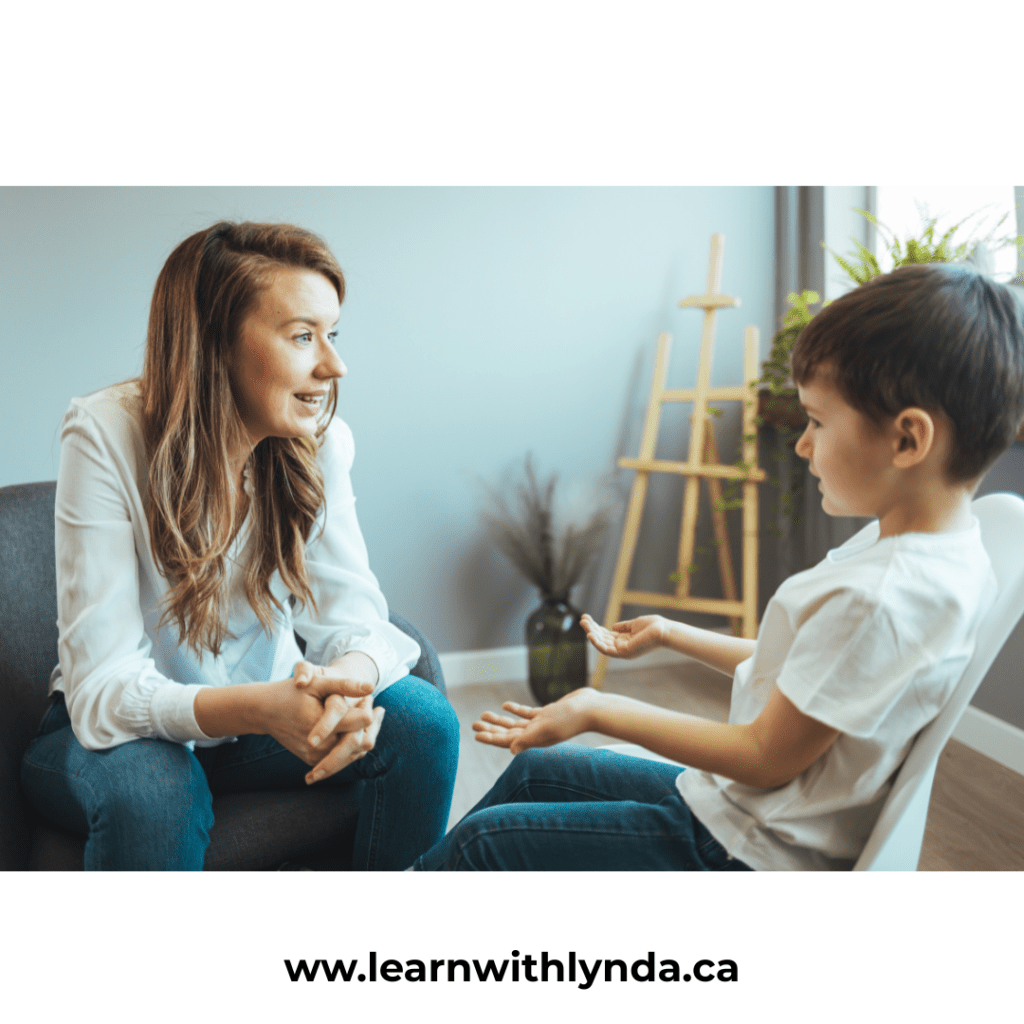
Conversation builds vocabulary and language understanding. When adults talk with children (not just to them), they strengthen language networks in the brain.
Try this:
- Narrate daily routines: “I’m cutting the red apple. It’s crunchy!”
- Ask open-ended questions: “Why do you think the dog is barking?”
- Expand on what children say. If they say, “Big truck!” you might respond, “Yes, that is a huge garbage truck collecting trash.”
These small moments matter.
2. Rhyming and Playing with Sounds
Before children can read letters, they must hear and play with the sounds in words. This skill is called phonological awareness, and it is a strong predictor of later reading success.
Try this:
- Play rhyme games: “What rhymes with cat?”
- Clap syllables in names: “El-i-za-beth”
- Change beginning sounds: “What happens if we change ‘bat’ to ‘hat’?”
These playful sound games strengthen the speech sound systems in the brain.
3. Reading Aloud Every Day
Reading aloud builds vocabulary, listening skills, and knowledge about how stories work.
Even picture books with few words are powerful.
Try this:
- Point to and name objects.
- Ask, “What do you think will happen next?”
- Reread favourite books (repetition builds strong neural pathways).
When children see print while hearing language, the brain begins linking visual patterns with spoken words.
4. Singing Songs and Nursery Rhymes
Songs naturally stretch out sounds and highlight rhythm. This helps children notice the parts within words.
Try this:
- Sing classic nursery rhymes.
- Pause and let children fill in the missing rhyme.
- Clap along to the beat.
Music and rhythm support sound awareness in a joyful way.
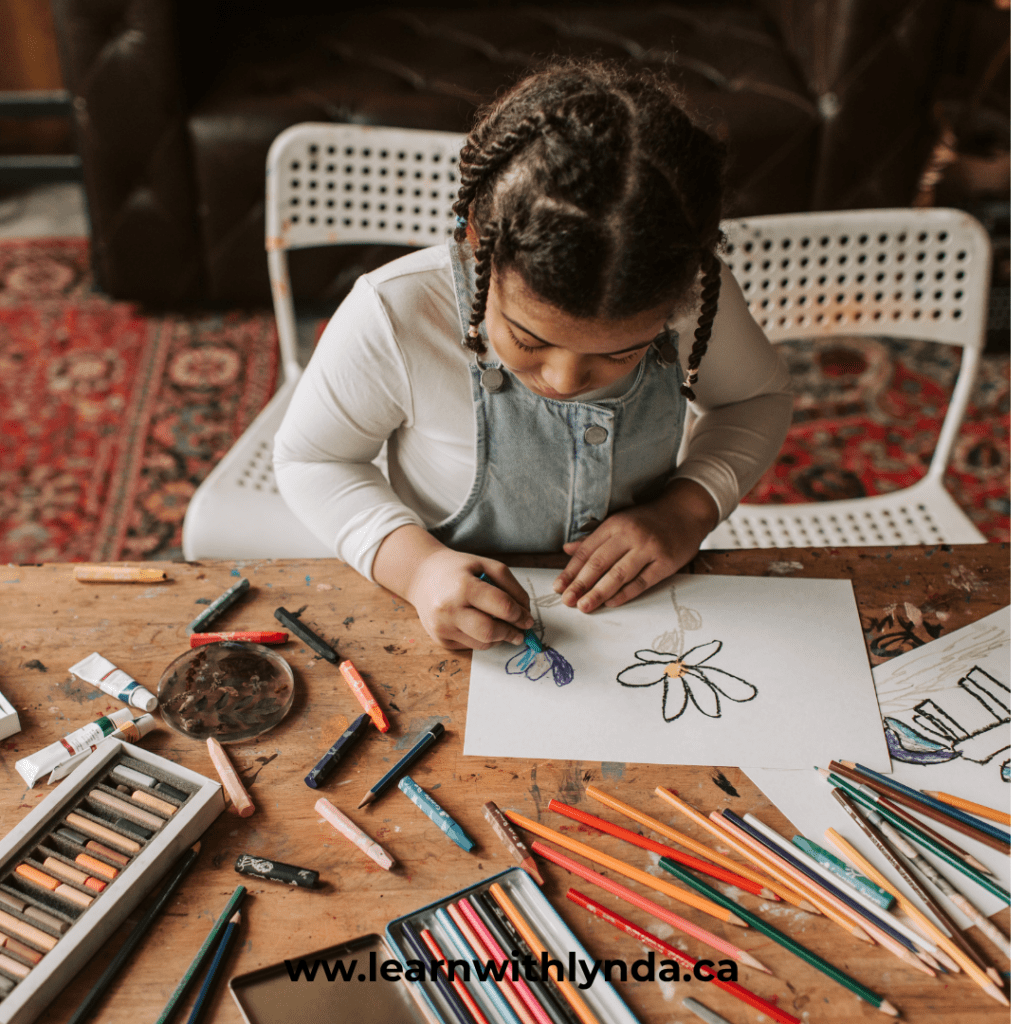
5. Encouraging Drawing and Scribbling
Even before children write letters, scribbling and drawing help them understand that marks on a page carry meaning.
Try this:
- Invite children to “write” a grocery list.
- Label their drawings with their words.
- Celebrate attempts at writing, even if letters are not formed correctly.
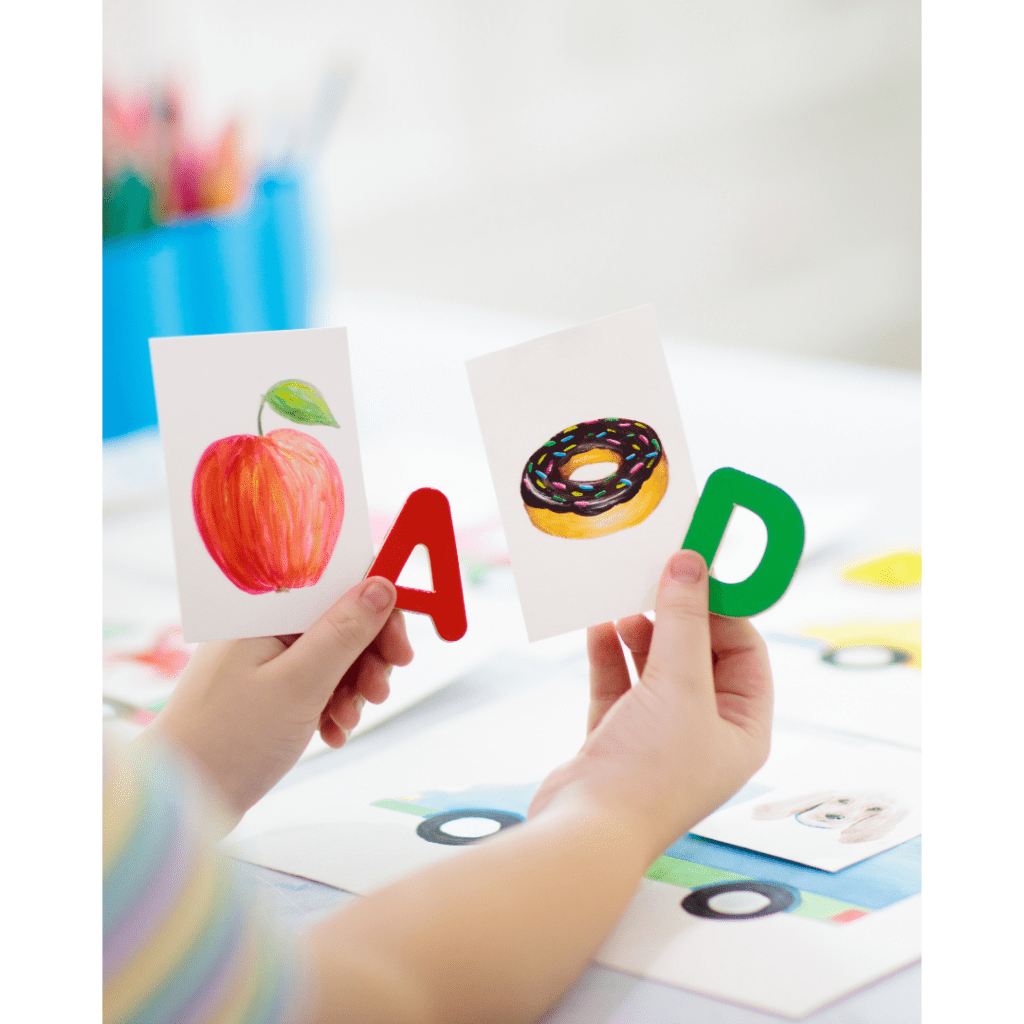
These early writing experiences connect visual recognition with language.
Why This Matters for Educators
For educators of children ages 4 to 8, this research reinforces an important truth:
Early literacy instruction is not just about teaching letters and sounds. It is about strengthening the entire reading circuit.
Classrooms rich in:
- Conversation
- Storytelling
- Rhyming
- Singing
- Playful sound work
are building the brain systems needed for skilled reading.
When children arrive at school with strong language and sound awareness, formal reading instruction becomes much smoother.
Read more about common early reading struggles here
.
Why This Matters for Parents
Parents sometimes worry that they are not “teaching reading” soon enough.
But if you are:
- Talking with your child
- Reading aloud daily
- Singing songs
- Playing word games
You are already strengthening the reading brain.
There is no need for flashcards or worksheets in the preschool years. What the brain needs most is rich language, joyful interaction, and meaningful conversation.
The Encouraging Truth
Reading does not suddenly begin at school.
The brain has been preparing for it for years.
Every story shared.
Through every silly rhyme.
Every back-and-forth conversation.
These moments build the neural pathways that later allow children to look at marks on a page and understand them as words.
And that is powerful.
Happy Learning,
Lynda