You may have heard the term science of reading. It sounds complicated. However, the idea is simple.
The science of reading refers to decades of research that explain how children learn to read — and what teaching practices work best.
So what does this actually look like in a classroom? And what should parents see at home?
1. Teach Phonemic Awareness Clearly and Directly
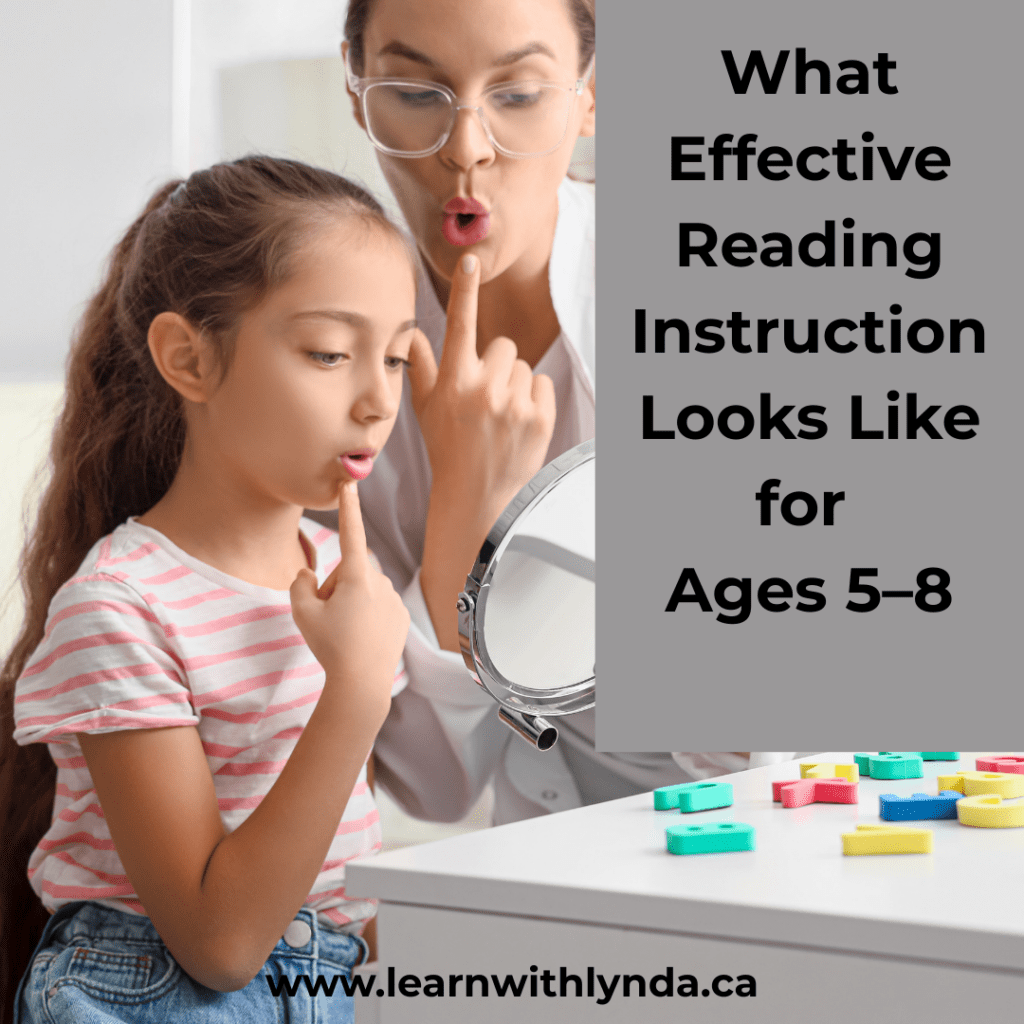
Before children can read words, they must hear the sounds in words.
Phonemic awareness is the ability to hear, blend, and break apart sounds. Importantly, this skill does not involve letters at first. Instead, it focuses only on sounds.
Effective instruction includes:
- Blending sounds: /c/ /a/ /t/ → cat
- Segmenting words: cat → /c/ /a/ /t/
- Identifying first or last sounds
- Deleting sounds: say smile without /s/
These activities are short and focused. In fact, just five minutes a day can make a big difference.
Without strong phonemic awareness, phonics becomes much harder.
2. Use Structured, Systematic Phonics Instruction
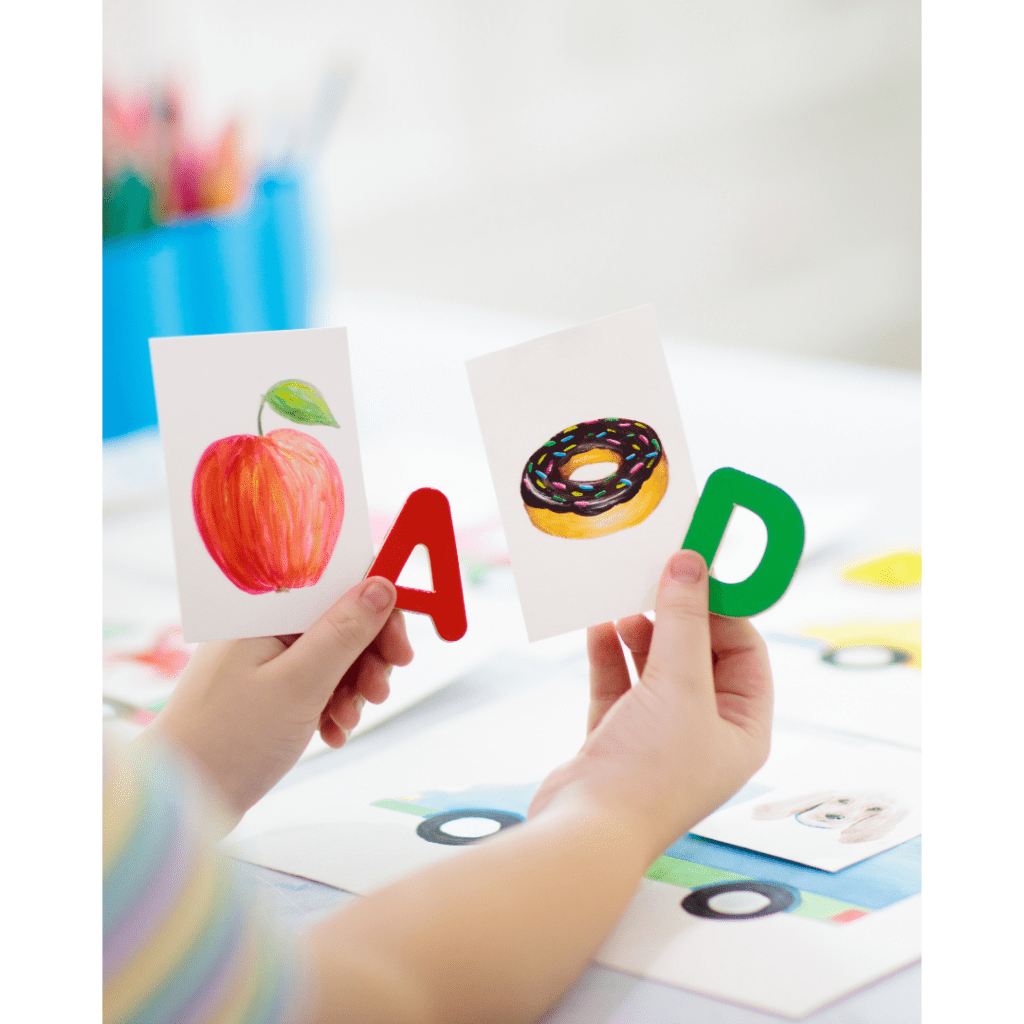
Once children can hear sounds, they need to connect those sounds to letters.
Structured phonics means teachers follow a clear plan. Skills are taught in a logical order, moving from simple to more complex. Teachers do not rely on students to “pick it up” on their own.
For example:
- Teach a new sound clearly.
- Practice blending simple words.
- Build words using letter tiles.
- Read words in short sentences.
In addition, strong instruction includes review. Children need repeated exposure to master new patterns.
When phonics is explicit and systematic, students build skills step by step.


3. Use Decodable Books for Practice
After learning a new phonics skill, students need to apply it in real text.
This is where decodable books are important. If you’re unsure why decodable books are so important, you can read more about decodable books vs. leveled books here.
Decodable books contain words that match the phonics skills students have already learned. As a result, children can read successfully without guessing.
During reading, teachers might say:
- “Look at the sounds.”
- “Blend the word slowly.”
- “What sound does that letter make?”
Instead of encouraging guessing from pictures, effective instruction teaches children to rely on letters and sounds.
Over time, accurate decoding becomes automatic.
4. Build Fluency Through Repeated Reading
Fluency means reading smoothly and accurately.
However, fluency does not come from speed drills. Instead, it grows from accurate decoding and repeated practice.
Helpful strategies include:
- Echo reading (adult reads, child repeats)
- Choral reading (reading together)
- Rereading short passages several times
As students become more comfortable with the text, their reading sounds more natural. Confidence grows alongside fluency.
5. Strengthen Vocabulary and Language Comprehension
Reading is more than decoding words. Children must also understand what they read.
Research shows that comprehension depends on both decoding and language knowledge. Therefore, strong reading instruction includes rich conversations.
Before reading, teachers and parents can:
- Talk about the topic
- Introduce new vocabulary
- Connect the text to real experiences
During and after reading, ask open-ended questions like:
- “Why do you think that happened?”
- “How did the character feel?”
- “What might happen next?”
Even children who struggle with decoding can develop strong thinking and language skills.
6. Teach High-Frequency Words Using Sound Knowledge
Many classrooms teach sight words as words to memorize. However, research suggests that children benefit more when they connect these words to phonics.
For example, when teaching the word was:
- Say the sounds: /w/ /ŭ/ /z/
- Identify the regular parts, those letters that are making the expected sound
- Point out anything unusual
Then have students:
- Build the word
- Write the word
- Read it in a sentence
This approach strengthens decoding instead of encouraging memorization alone.


7. Connect Reading and Writing
Reading and writing support each other.
When children write words, they must think about sounds and spelling patterns. As a result, their decoding skills grow stronger.
Simple classroom or home activities include:
- Dictating words and sentences
- Writing short decodable sentences
- Labeling drawings
- Keeping a simple journal
Encourage children to stretch out sounds as they write. Early spelling does not need to be perfect. What matters most is that children connect sounds to letters.
8. Monitor Progress and Adjust Instruction
Effective reading instruction includes regular check-ins.
Teachers should ask:
- Can the student blend simple words?
- Can they segment sounds accurately?
- Can they read a short decodable passage with accuracy?
If a child struggles, instruction should slow down and review should increase.
Progress monitoring helps prevent small gaps from becoming larger problems.
What Should Parents Look For?
If your child is learning to read, here are a few helpful questions to consider:
- Is phonics taught clearly and directly?
- Does my child read decodable books?
- Is guessing encouraged, or are letters and sounds the focus?
- Are reading and writing connected?
When instruction follows research-based practices, children build strong foundations.


Final Thoughts
If a child is struggling, it does not mean they cannot learn to read.
Instead, it often means they need clearer, more structured instruction.
The good news is this: research shows that explicit phonemic awareness, systematic phonics, decodable text practice, fluency building, and rich language conversations work.
With the right support, progress is possible. And every child deserves that opportunity.
If your child is struggling, you may also want to read about common early reading struggles and what research reveals.
Happy Learning,
Lynda