The Benefits of Using Children’s Literature to Practice Math Concepts
When we think about teaching math, worksheets and number drills often come to mind. While these tools can be useful, they are not the only way children learn math. One powerful and often overlooked resource is children’s literature. Storybooks can bring math concepts to life in meaningful, engaging, and low-stress ways for young learners.
For children ages 5 to 8, stories help make abstract math ideas more concrete and easier to understand.
Makes Math Meaningful and Relatable
Children’s books often show math happening in real-life situations. Characters might be sharing snacks, counting animals, measuring ingredients, or comparing sizes. These everyday contexts help children see that math is not just something they do at school—it is part of their world.
When math is connected to a story, children are more likely to understand why a concept matters. Instead of memorizing facts, they begin to make sense of numbers, patterns, and problem-solving.
Reduces Math Anxiety
Many children feel nervous or unsure about math, especially if they struggle. Listening to a story feels safe and familiar. There is no pressure to “get the right answer” right away.
Using books allows children to explore math ideas in a relaxed way. They can talk about the story, make predictions, and share their thinking without fear of making mistakes. This builds confidence and helps children develop a more positive attitude toward math.
Supports Language and Math at the Same Time
Math and literacy go hand in hand. When children hear math-related words in stories, they build important vocabulary such as more, less, equal, before, after, total, and measure.
Discussing math through stories also helps children explain their thinking. Talking about characters’ actions or decisions encourages children to use full sentences and clear reasoning. This strengthens both communication skills and math understanding.
Encourages Deeper Thinking and Discussion
A good math story invites children to stop and think. Teachers and parents can ask open-ended questions such as:
- “What do you notice?”
- “How did the character solve the problem?”
- “What would you do differently?”
These discussions help children develop problem-solving and critical-thinking skills. Instead of rushing to an answer, they learn to explain their ideas and listen to others.
Engages a Wide Range of Learners
Not all children learn best through paper-and-pencil tasks. Some children learn better through listening, visualizing, or discussing ideas. Storybooks naturally support different learning styles.
Illustrations, storylines, and characters help keep children engaged, especially those who may struggle with traditional math lessons. Books also provide a natural entry point for hands-on follow-up activities, such as using manipulatives, drawing, or acting out the math in the story.
Builds a Strong Foundation for Math Concepts
Children’s literature can support many math skills, including:
- Counting and number sense
- Addition and subtraction
- Comparing numbers and sizes
- Patterns and sequencing
- Measurement and time
- Shapes and spatial awareness
When these concepts are introduced through stories, children are more likely to remember and understand them.
Easy to Use at School and at Home
One of the best parts of using children’s literature for math is how simple it is. A single book can lead to rich math conversations with very little preparation.
Teachers can use books during whole-group lessons, small groups, or math centers. Parents can use the same books at home to support learning in a natural and enjoyable way.
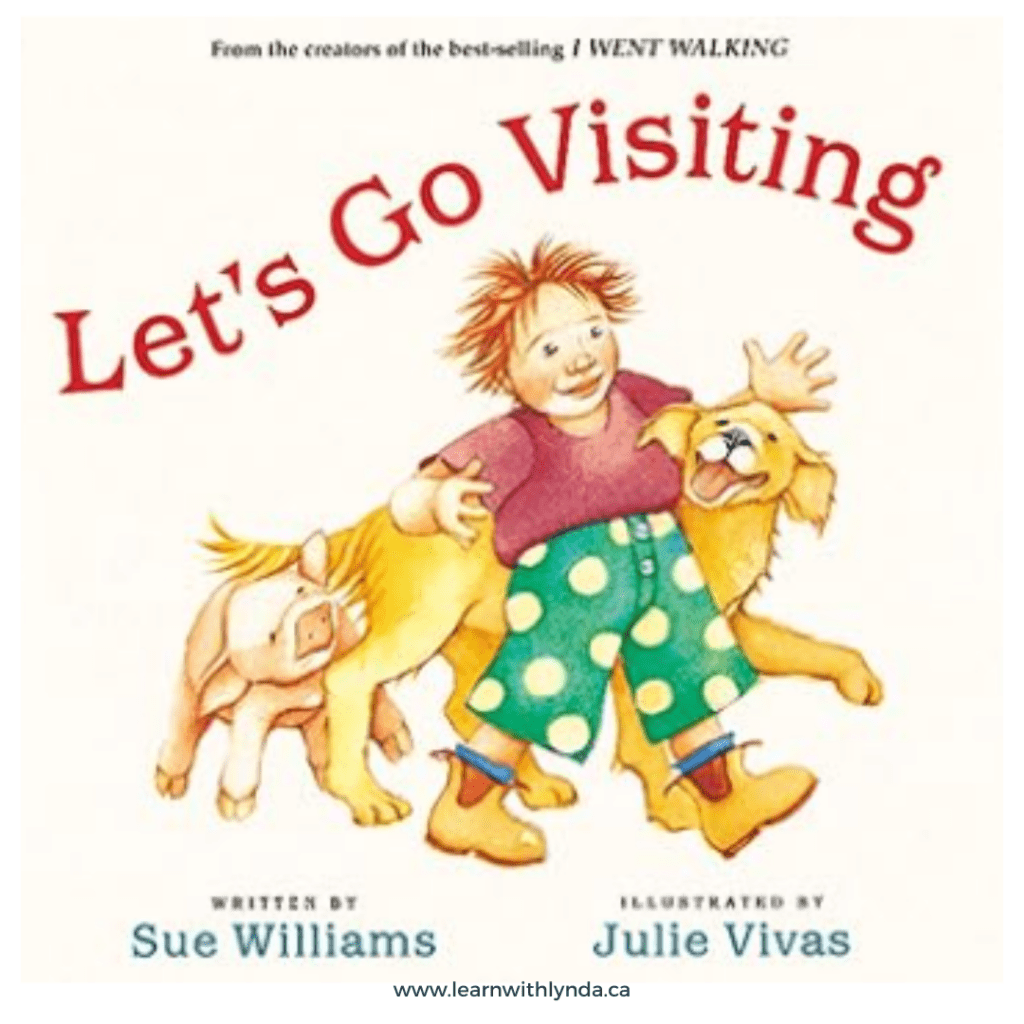
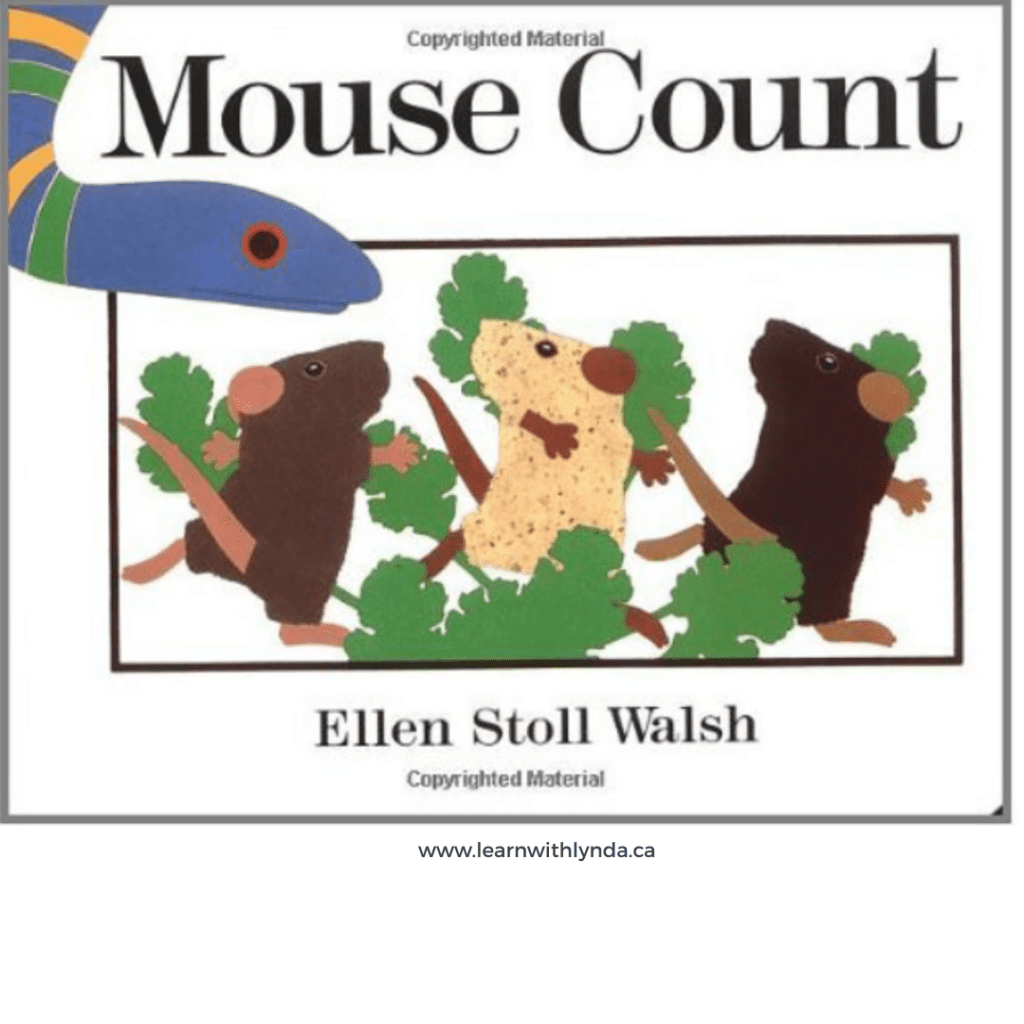
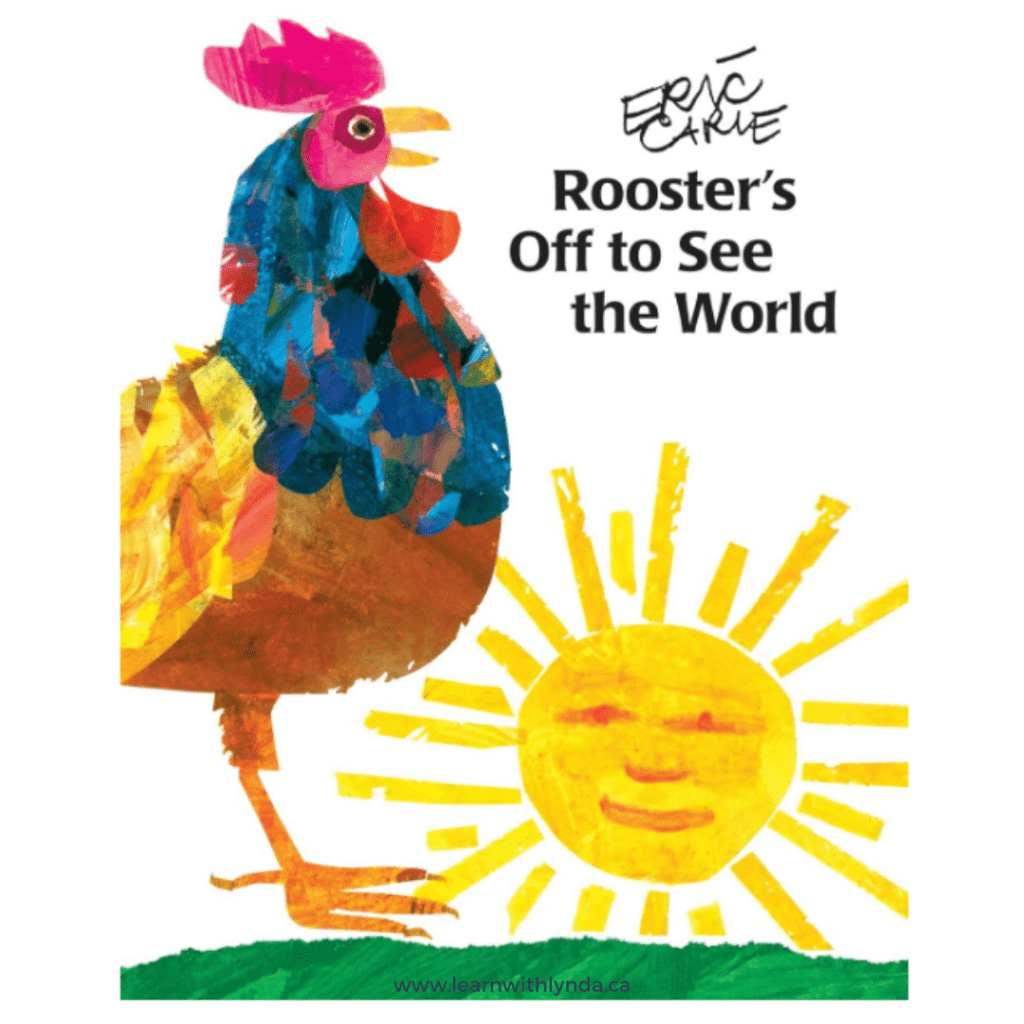
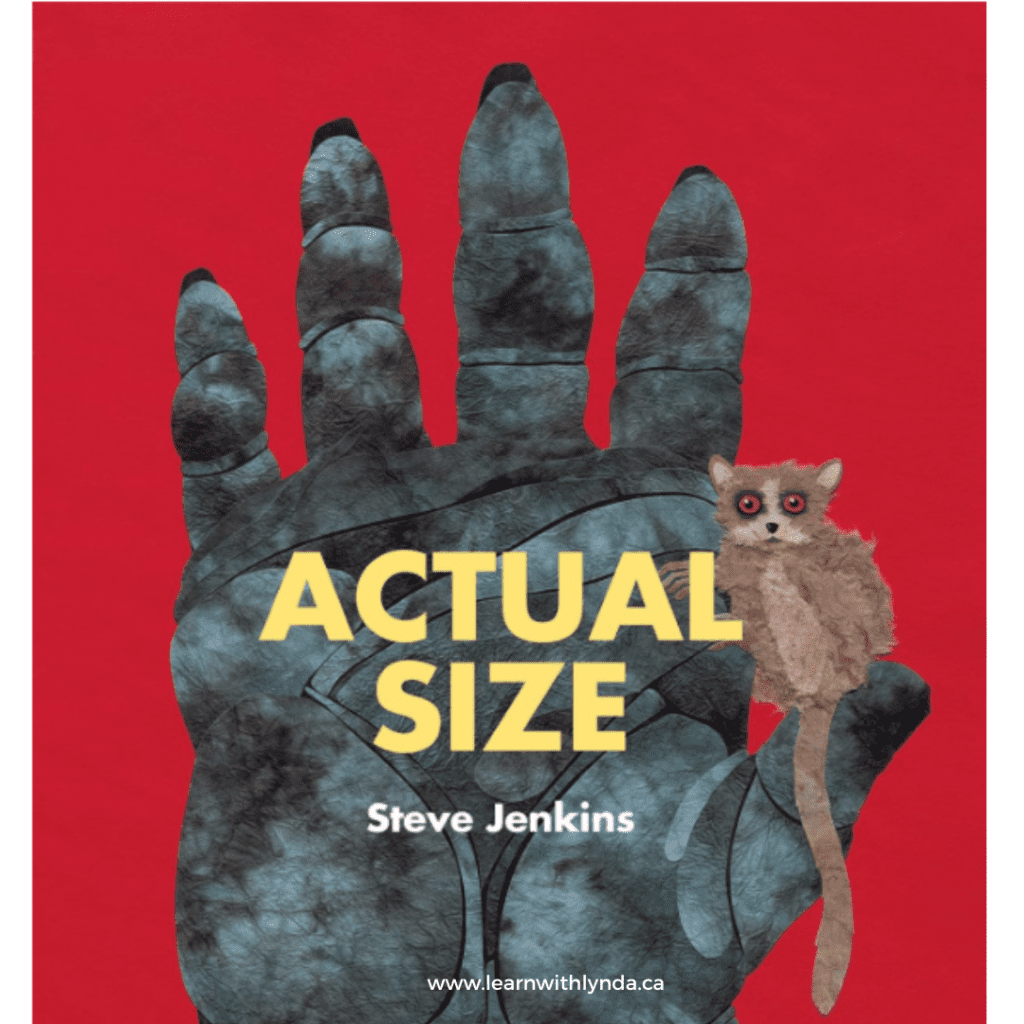
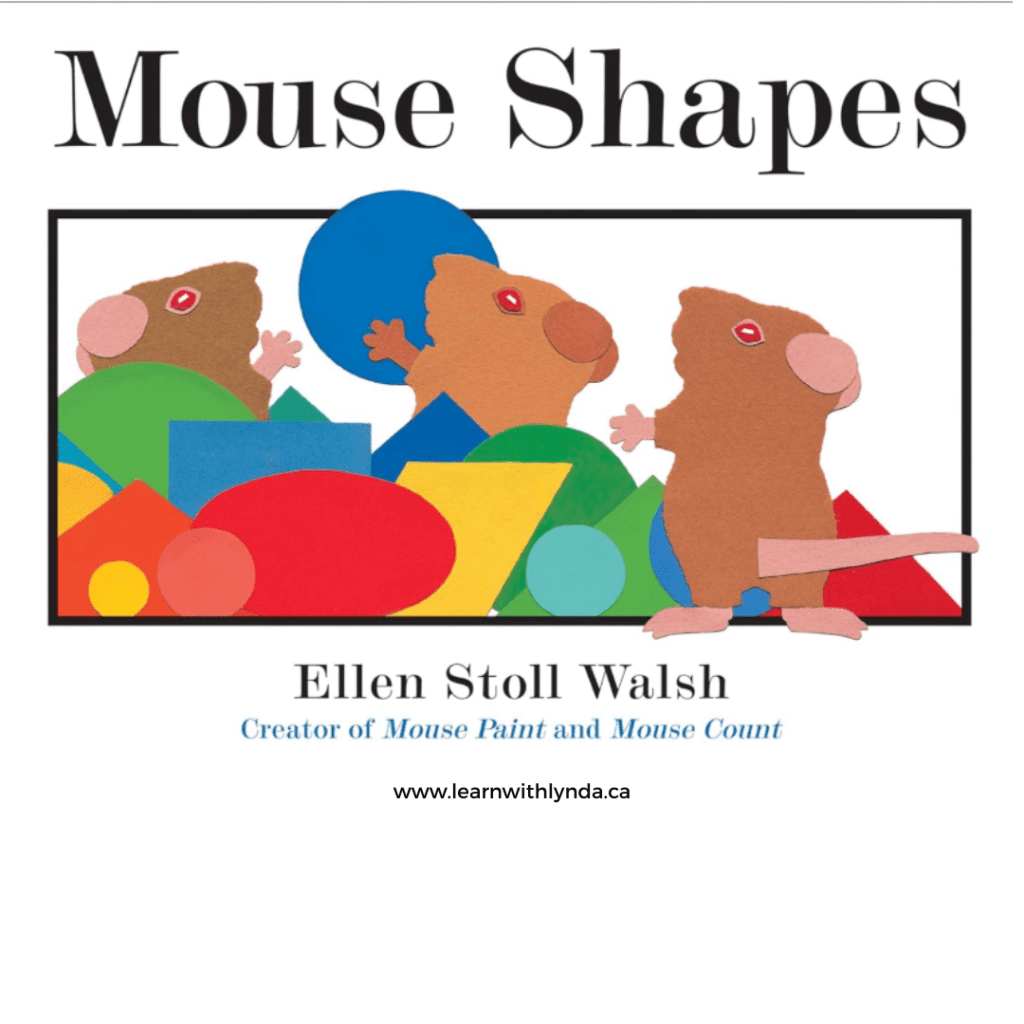
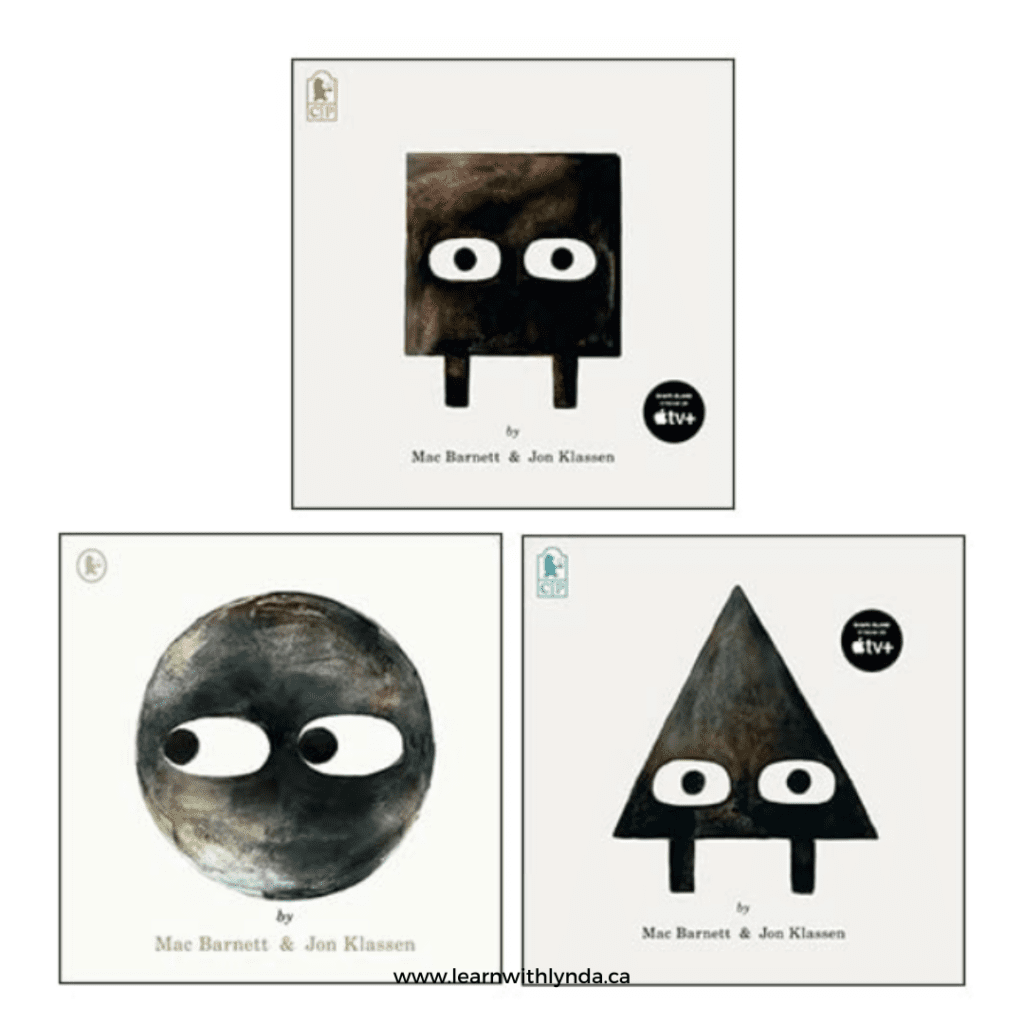
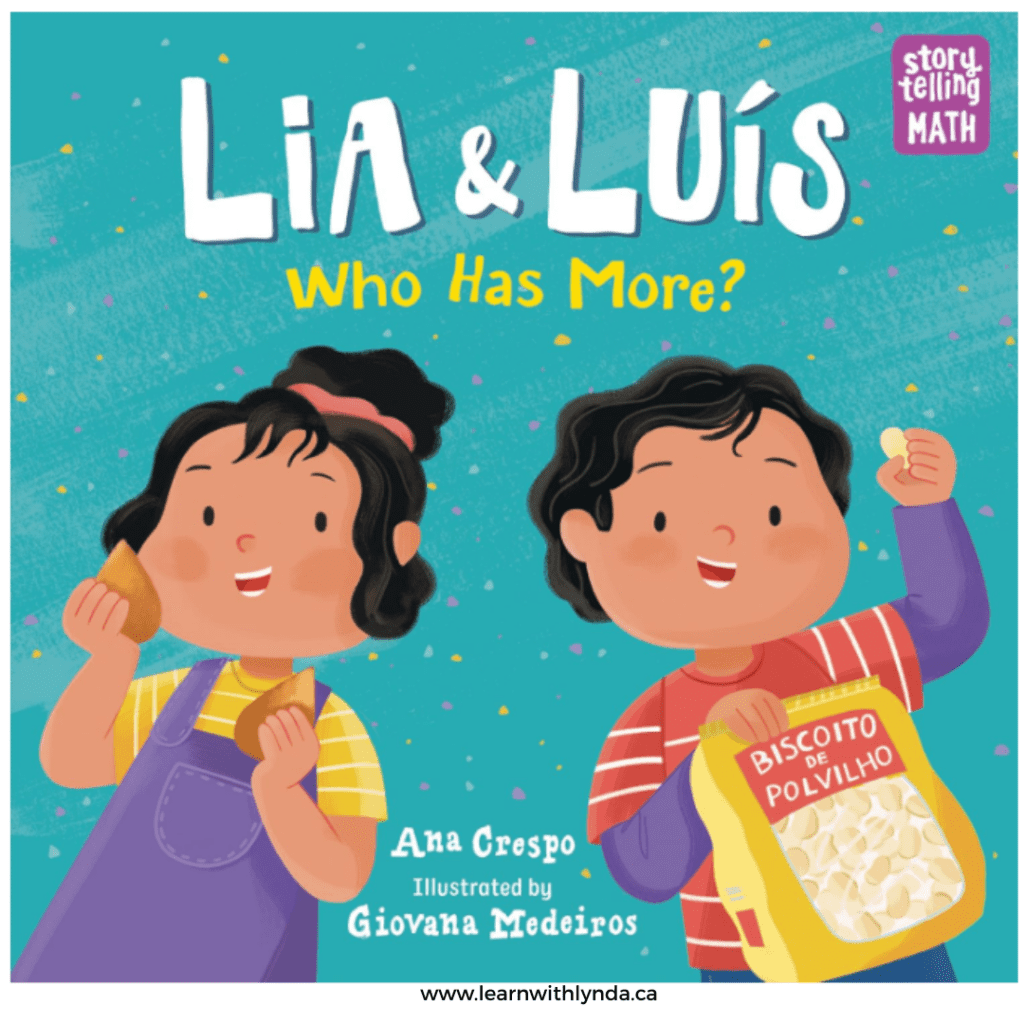
Math Book Suggestions
Using children’s literature to practice math concepts helps make learning meaningful, engaging, and accessible for young learners. Stories reduce stress, build confidence, and show children that math is part of everyday life.
By pairing math with a good book, we create opportunities for children to think deeply, talk openly, and develop a strong foundation in both literacy and numeracy.
Extending The Story
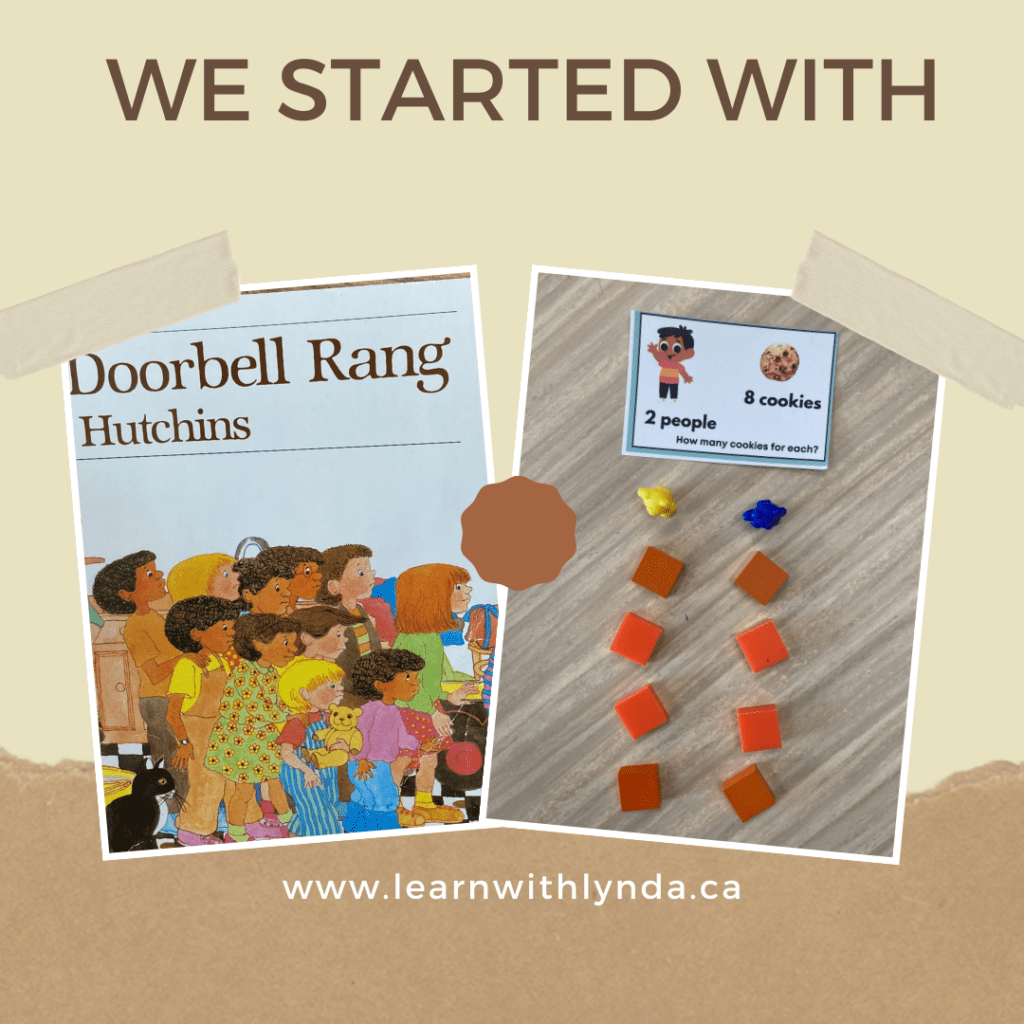
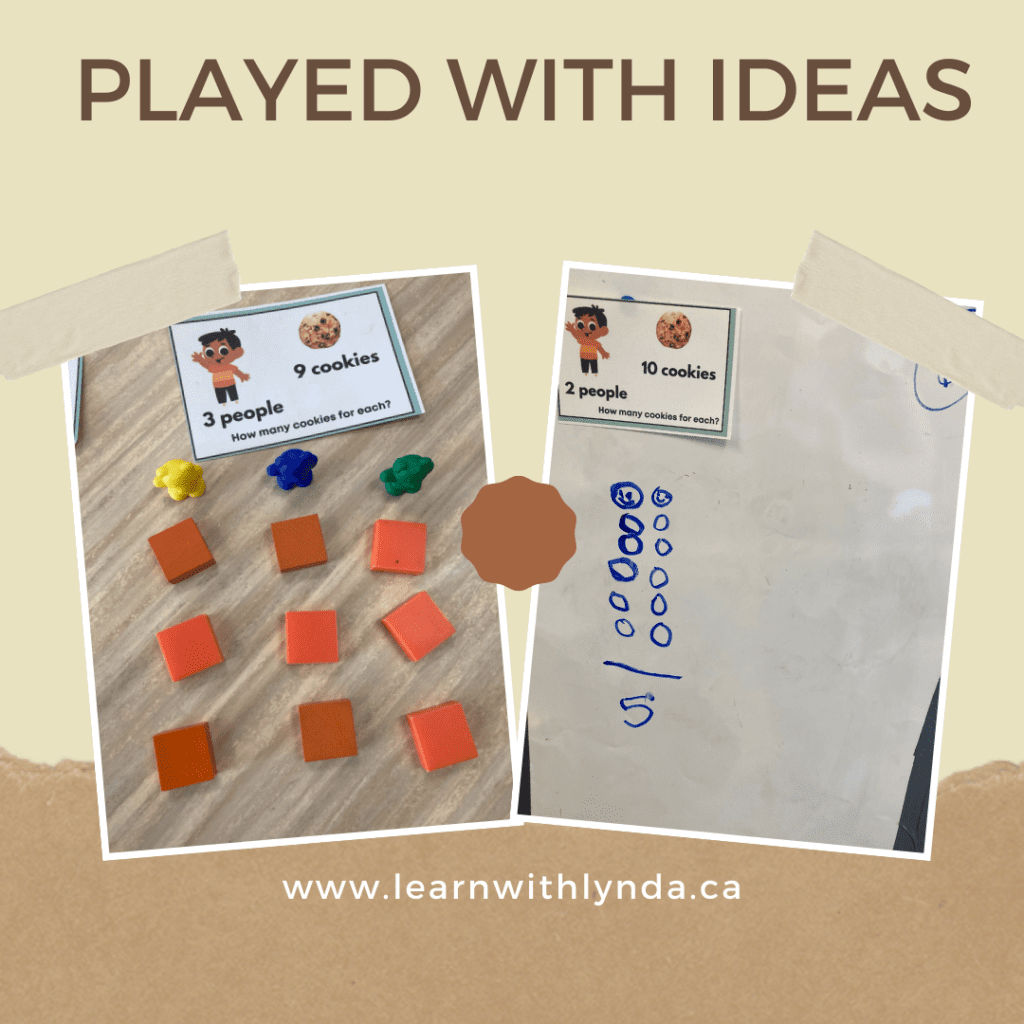
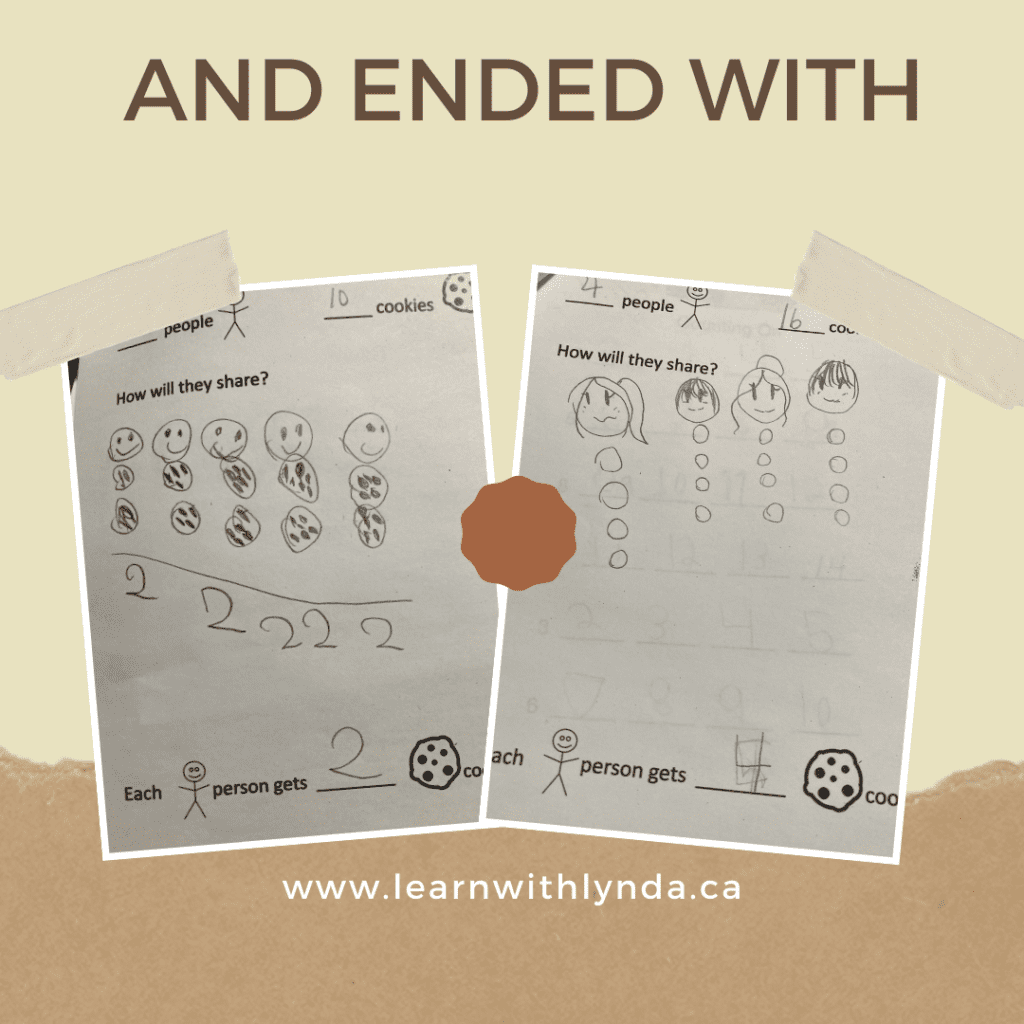
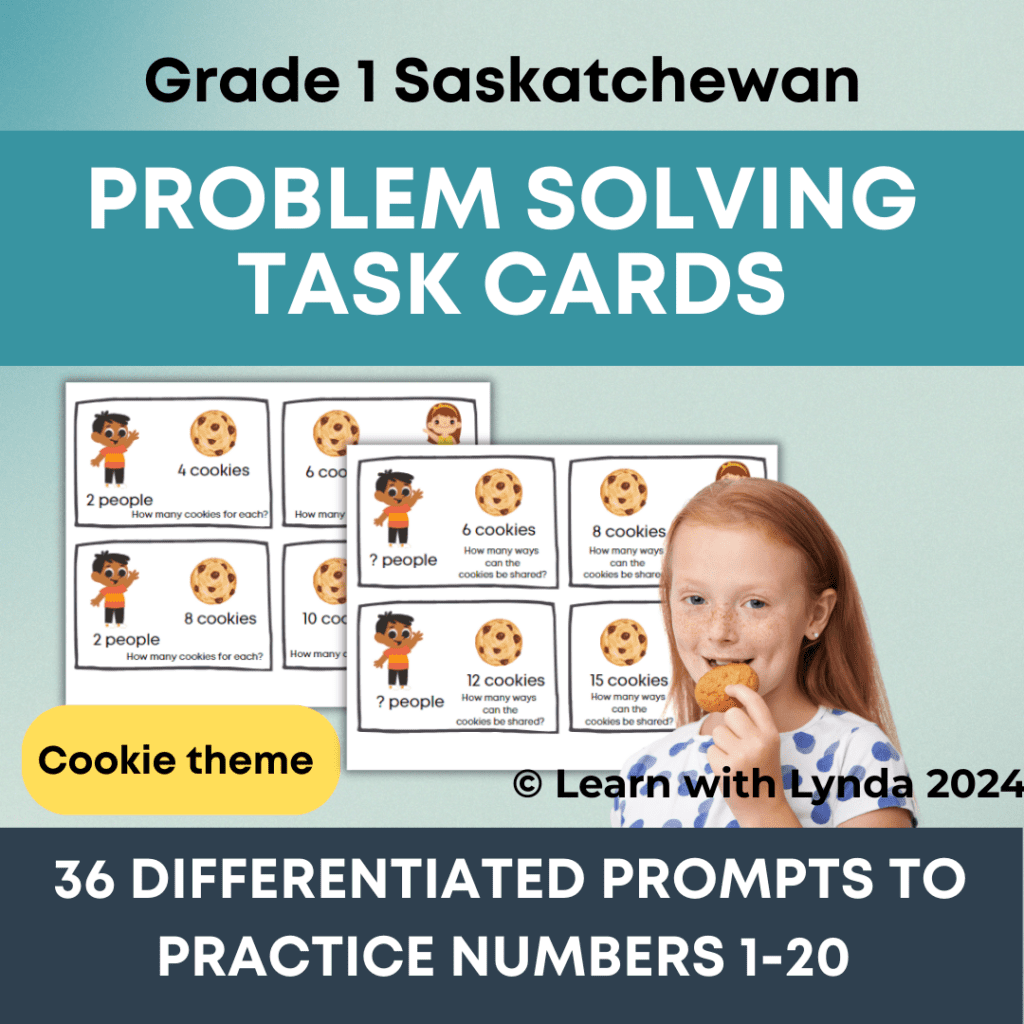
This week we started with the story “The Doorbell Rang” and from this book we worked on numerous problems involving cookie sharing. We started with concrete, moved to pictures and finished with a modified version of symbolic representation.
Using a mentor text in which the children embrace the story and it’s characters \makes the transition to the math practice smooth. The practice becomes playful and relevant.
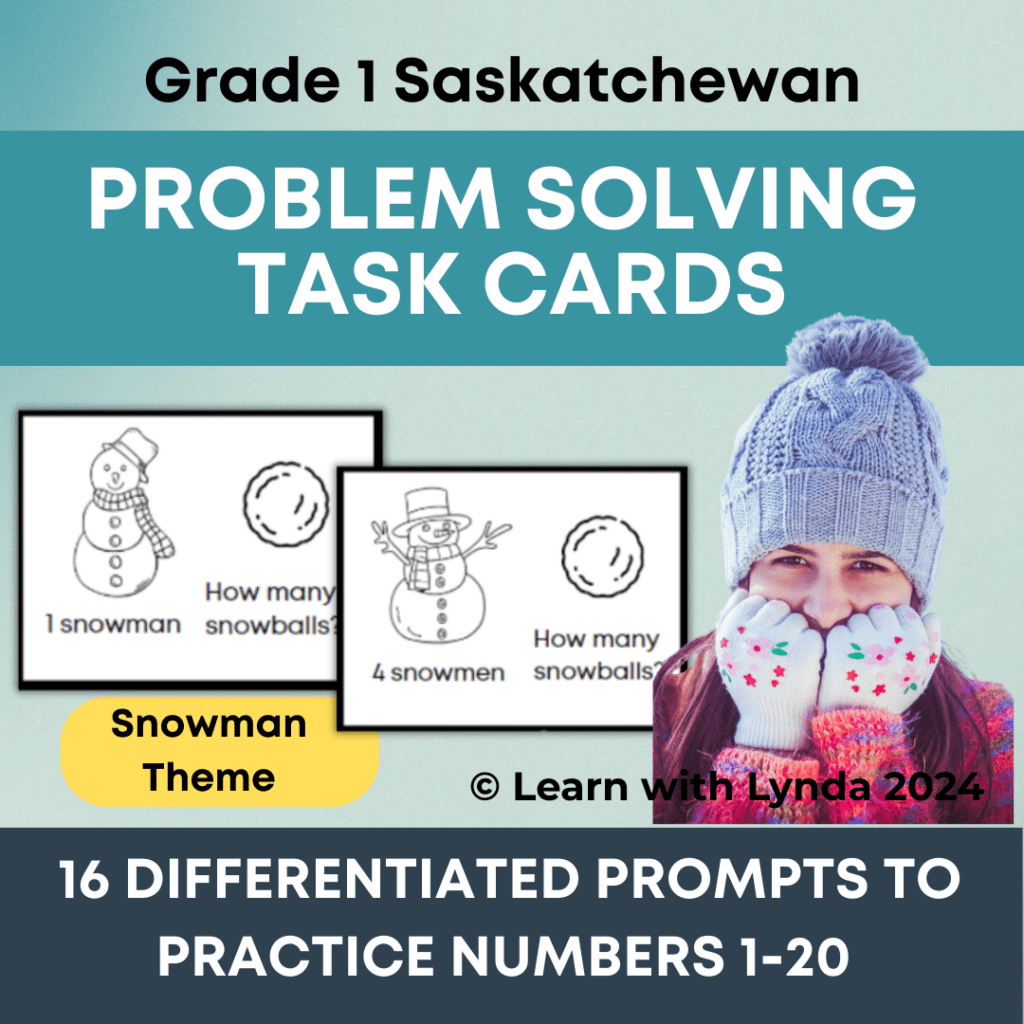
Problem-Solving Task Cards used below are available here.
Happy Teaching and Learning,
Lynda
Here’s is the link to my Free Snowman Problem Solving Task Cards