How Reading Develops in Grades 1–3: What Research (and Experience) Tell Us
Whether you’re a parent or a primary teacher, it’s common to expect reading to “click” once children start school. When it doesn’t, concern naturally follows.
Research from the Science of Reading helps explain why early reading development looks different for every child — and why early, targeted support matters.
Reading Is a Learned Skill — Not a Natural One
Unlike speaking, reading does not develop naturally.
Decades of research show that children must be explicitly taught how our written language works.
According to the Science of Reading, how reading develops on several interrelated skills:
- Phonological awareness – noticing and working with sounds in spoken language
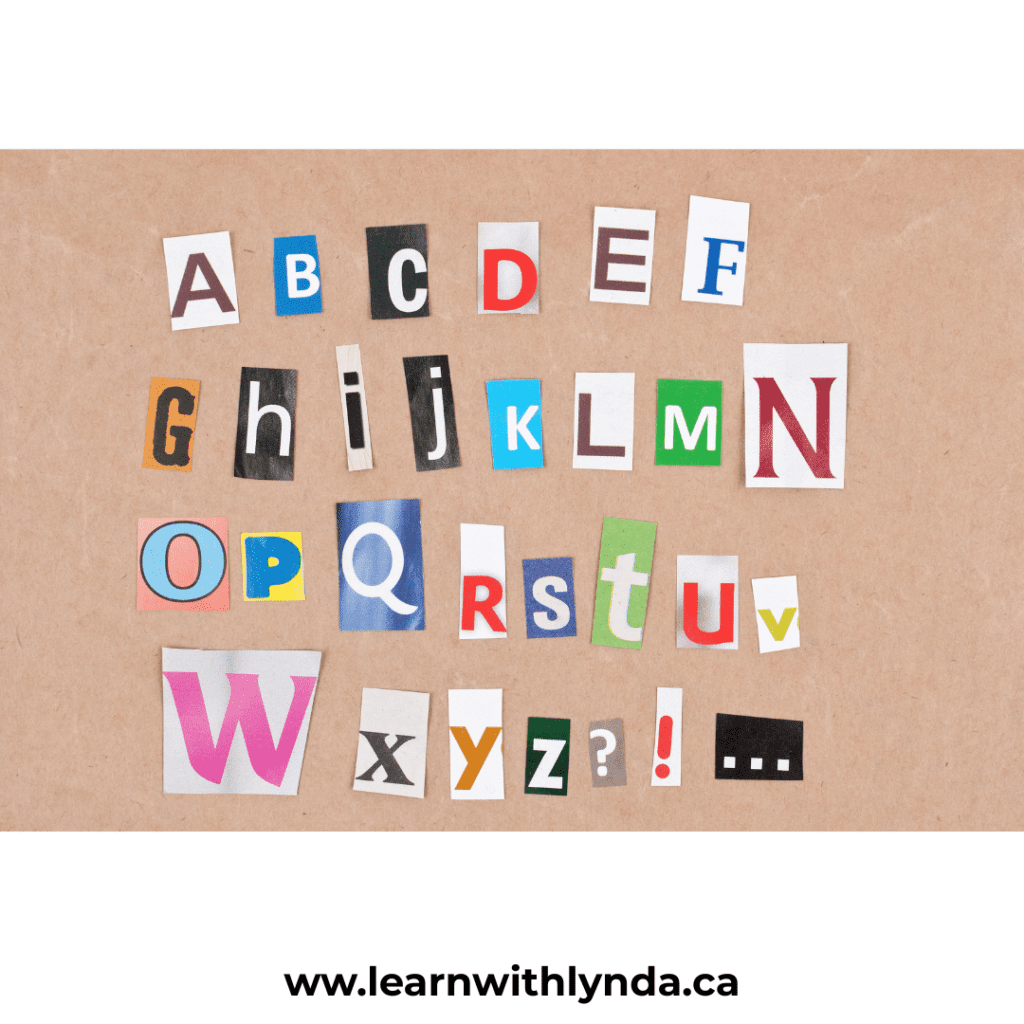
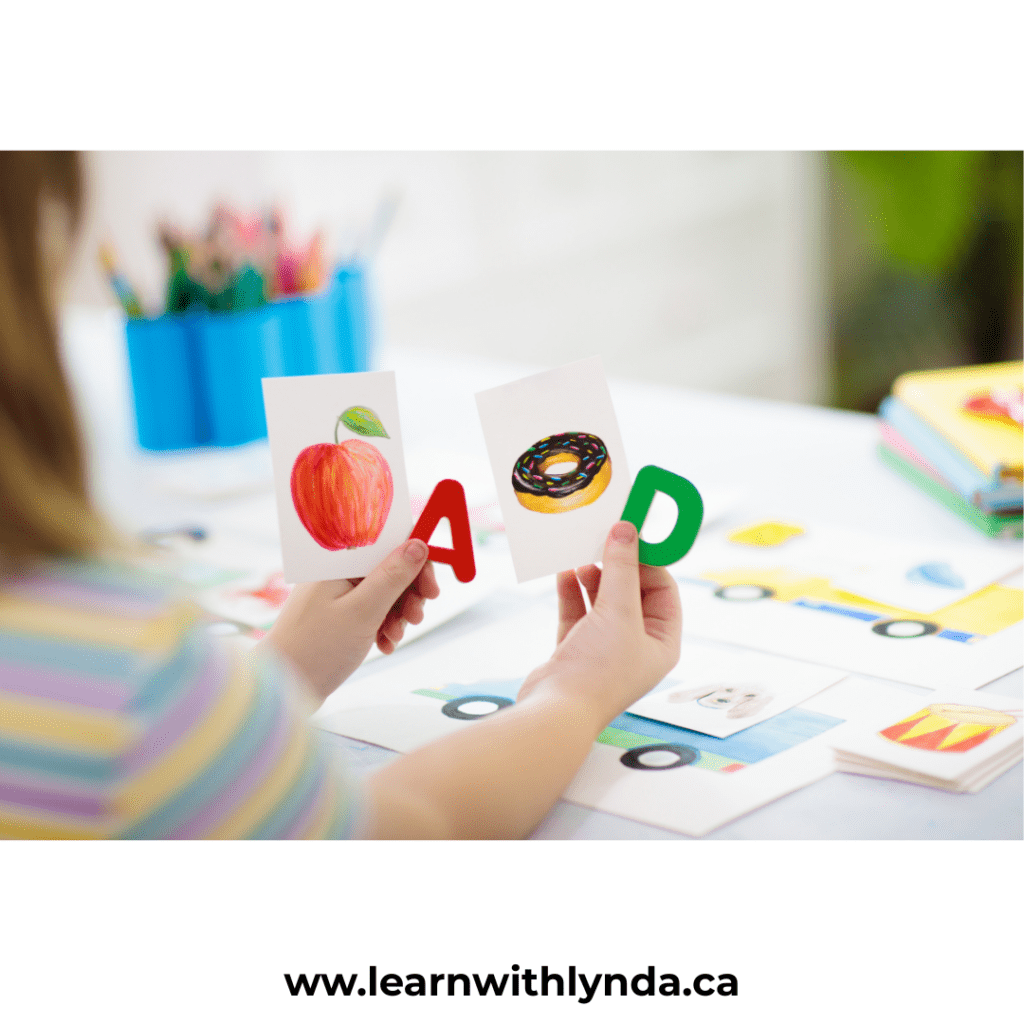
- Phonics – understanding how letters and sounds connect
- Decoding – blending sounds together to read words
- Fluency – reading accurately, smoothly, and with expression
- Vocabulary – knowing the meaning of words
- Comprehension – understanding what is read
If one area is underdeveloped, reading can feel slow, effortful, or frustrating — even for capable, motivated children.


What Reading Development Often Looks Like in Grades 1–3
Grade 1
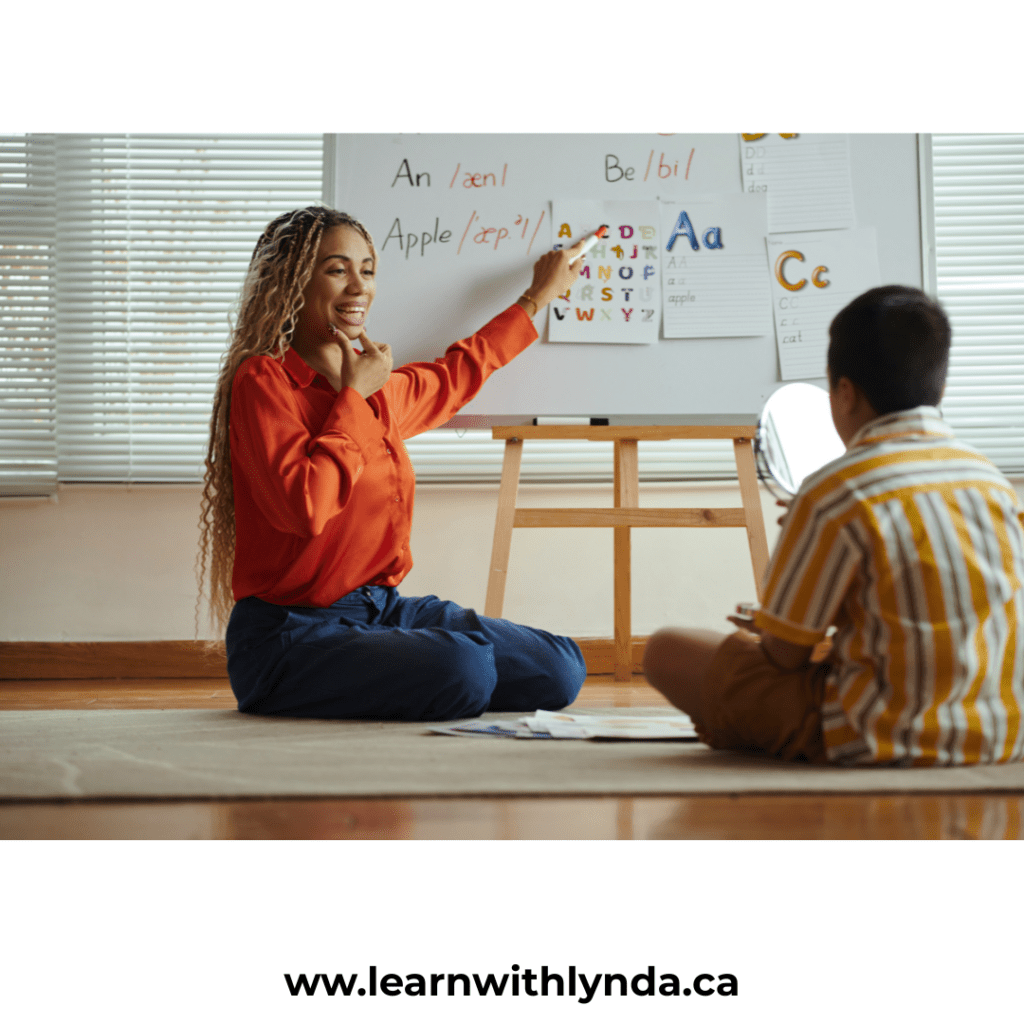
Children are learning how sounds map onto letters and how to blend those sounds into words. Reading often sounds slow and choppy — this is expected.
Grade 2
As decoding skills strengthen, reading should begin to sound smoother. Research shows that children who continue to struggle with decoding at this stage often begin guessing or avoiding unfamiliar words.
Grade 3
The shift from learning to read to reading to learn becomes more noticeable. Students who have not fully mastered foundational decoding and fluency skills may struggle to keep up with increasing demands.
The Science of Reading emphasizes that strong foundations in Grades 1–2 are critical for later reading success
Why Some Children Need More Support
Research consistently shows that:
- Reading difficulties are most often rooted in phonological processing and decoding, not motivation
- Children do not outgrow reading struggles without targeted instruction
- Early intervention leads to better outcomes than waiting
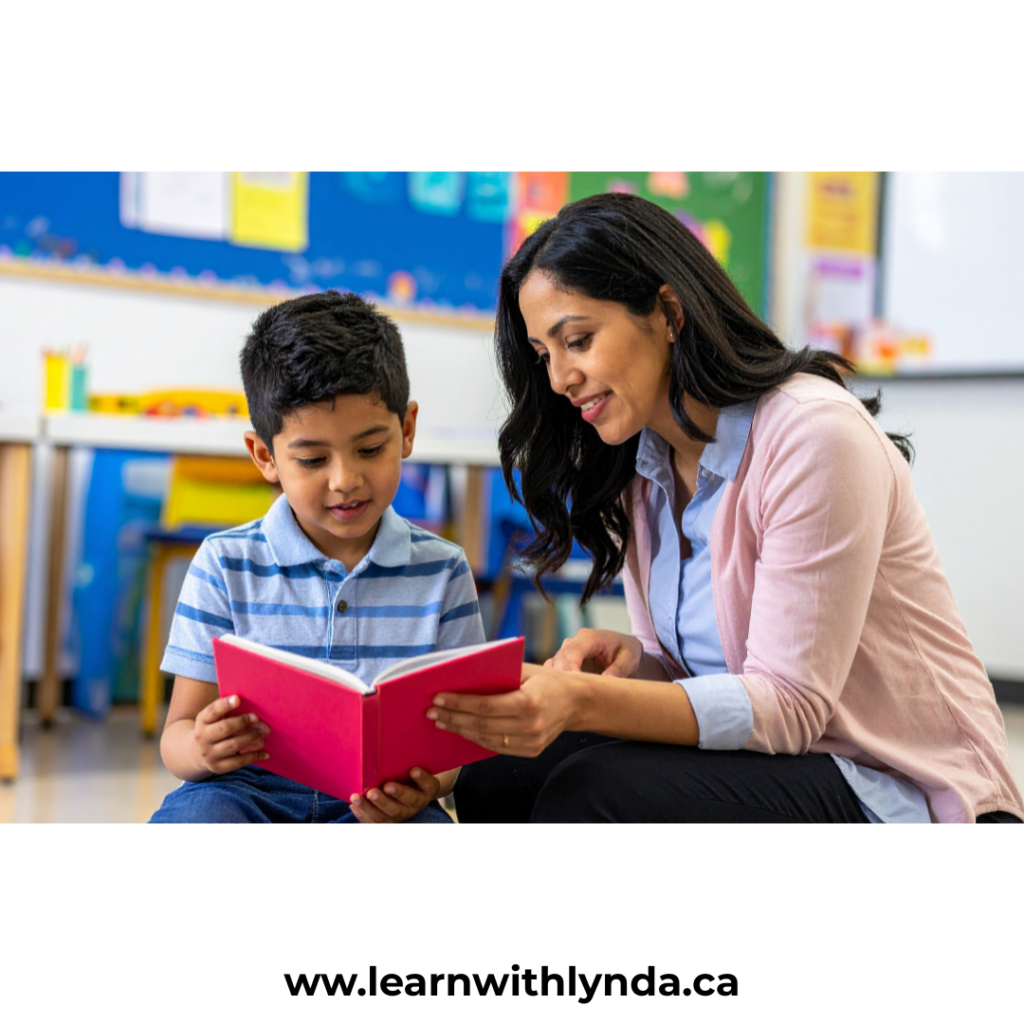
For teachers, this means watching carefully for students who struggle with phonics and fluency.
For parents, it means trusting your observations and seeking clarity and support early.


What Next?
When reading struggles appear early, they are not a sign of failure — they are a signal for support.
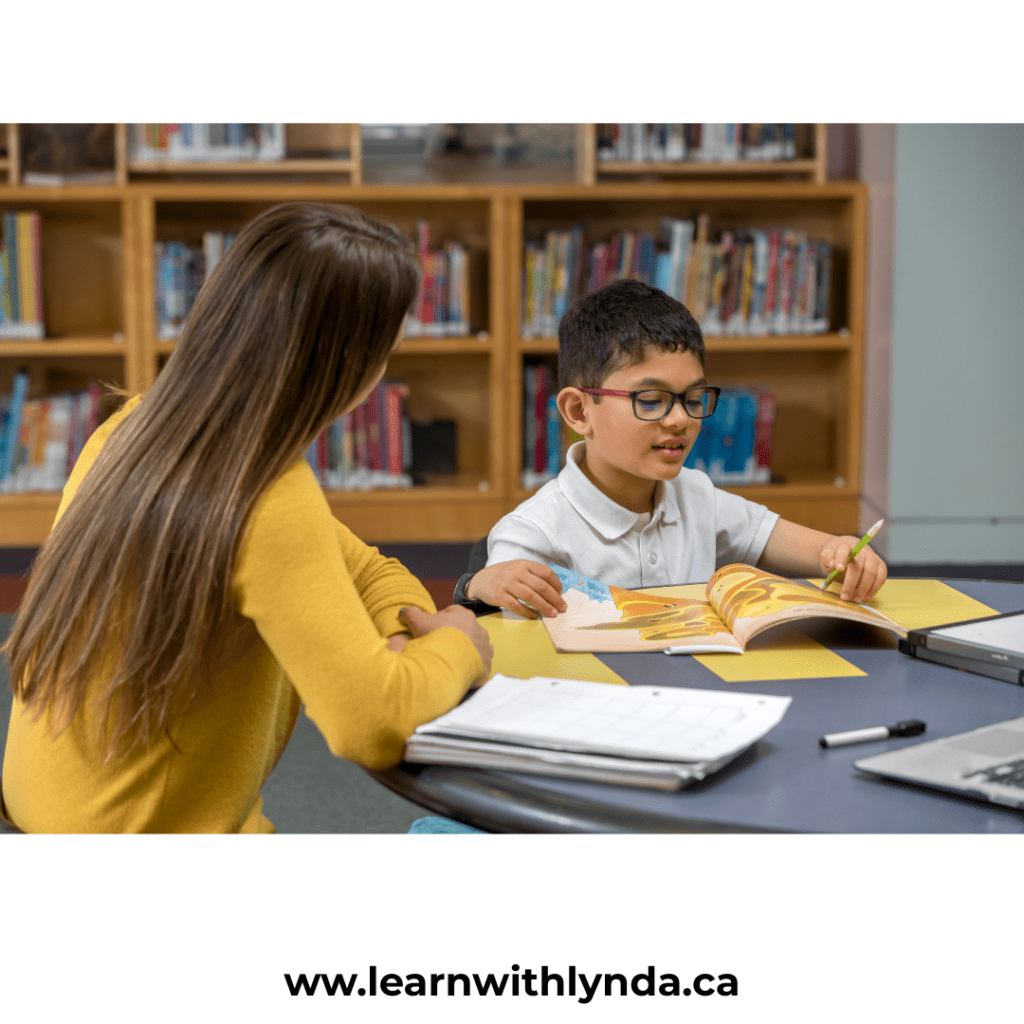
With explicit instruction, repeated practice, and encouragement, children can make meaningful progress.
👉 Follow Along for more Literacy Tips and Support
Happy Learning,
Lynda