Have you ever walked into a classroom and seen twenty snowmen that all look exactly the same?
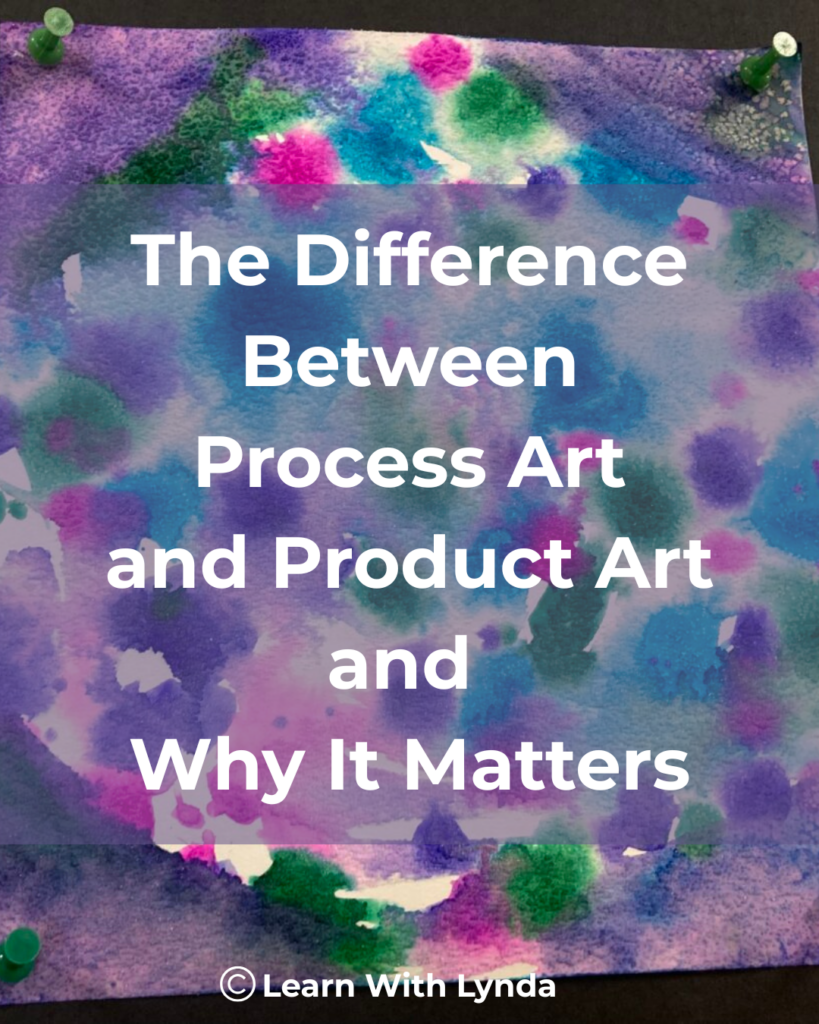
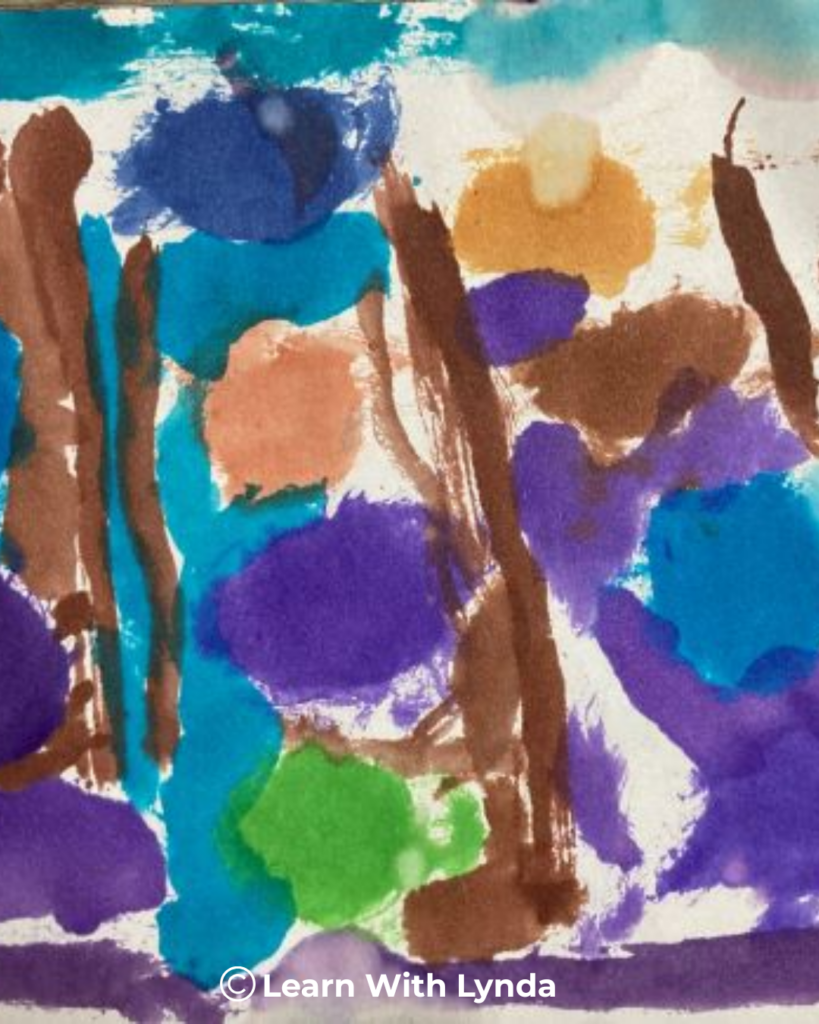
Or maybe you’ve watched a child proudly show you a painting full of colourful swirls and exciting shapes that doesn’t look like anything in particular—but they can tell you an amazing story about it.
Both experiences involve art, both are important, but they are very different.
As parents and educators, understanding the difference between product art and process art can help us create learning experiences that build creativity, confidence, and problem-solving skills.
Let’s take a closer look at both.
What Is Product Art?
Product art is an activity where everyone works toward making the same finished project.
The adult usually decides:
- What the project will look like.
- Which materials children will use.
- The order of the steps.
- Where each piece belongs.
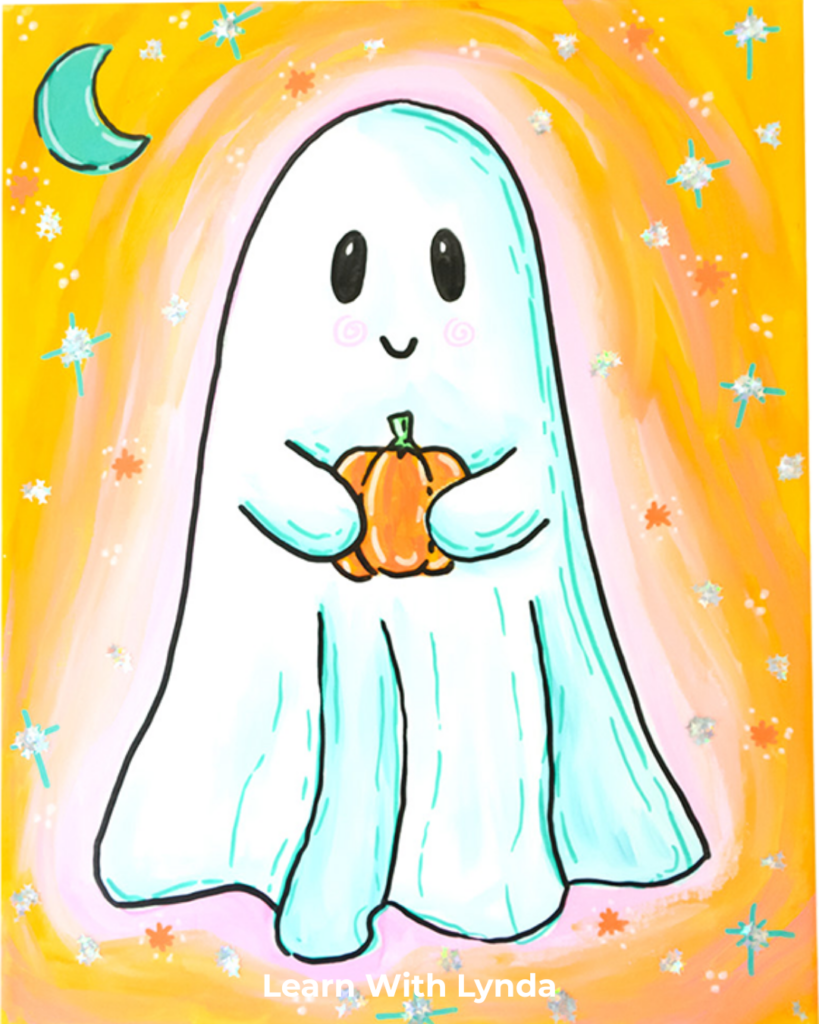
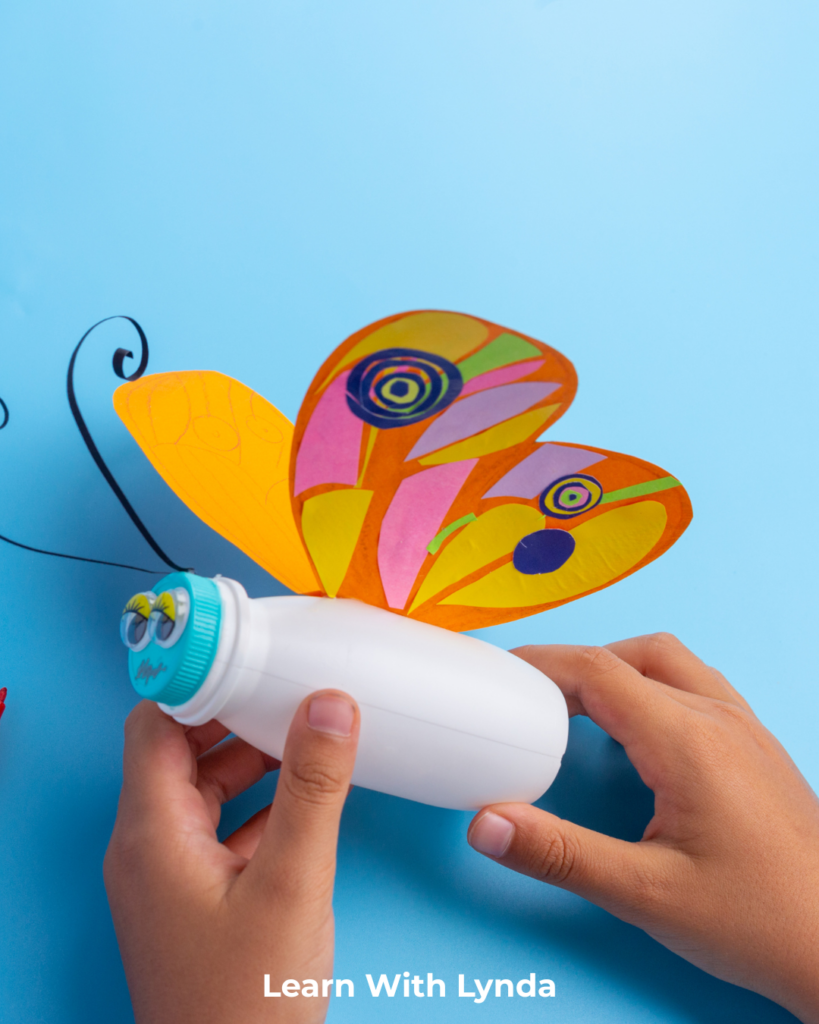
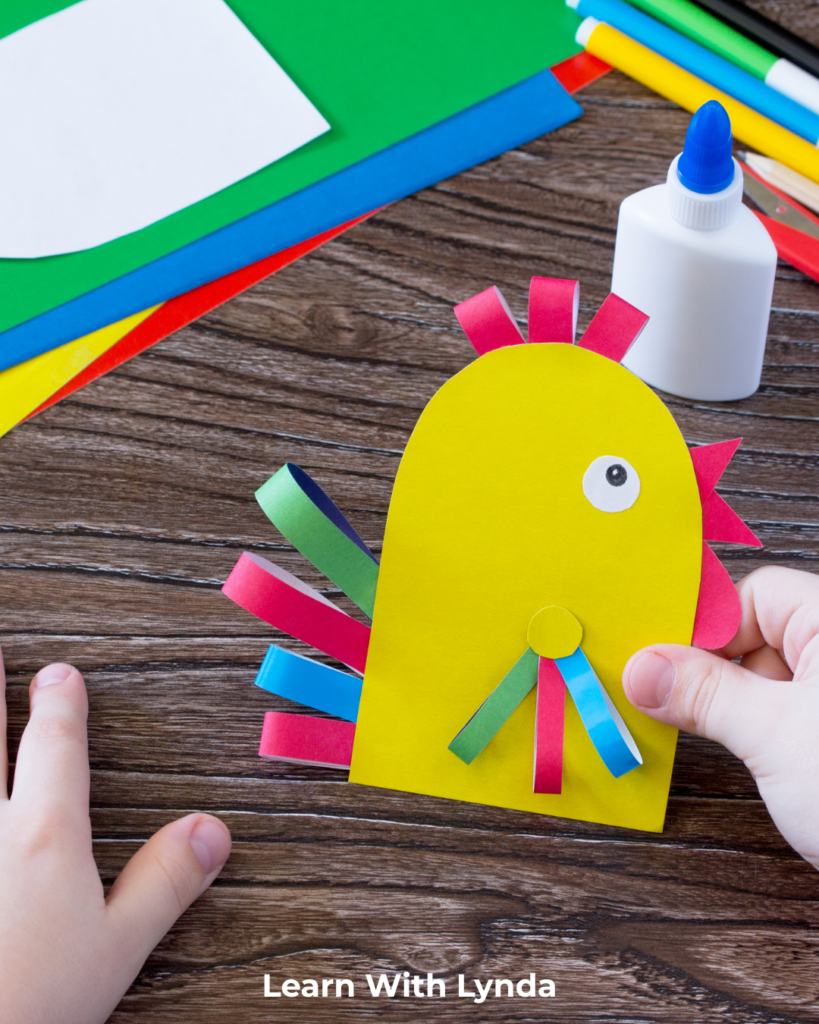
For example, every child might make the same paper ladybug, pumpkin, or holiday ornament.
The finished projects often look very similar.
Benefits of Product Art
Product art still has value.
It can help children:
- Follow directions.
- Practice fine motor skills.
- Learn new crafting techniques.
- Complete a step-by-step project.
- Feel proud of finishing a craft.
There are times when these experiences are enjoyable and meaningful.
But they are only one part of a child’s creative journey.
What Is Process Art?
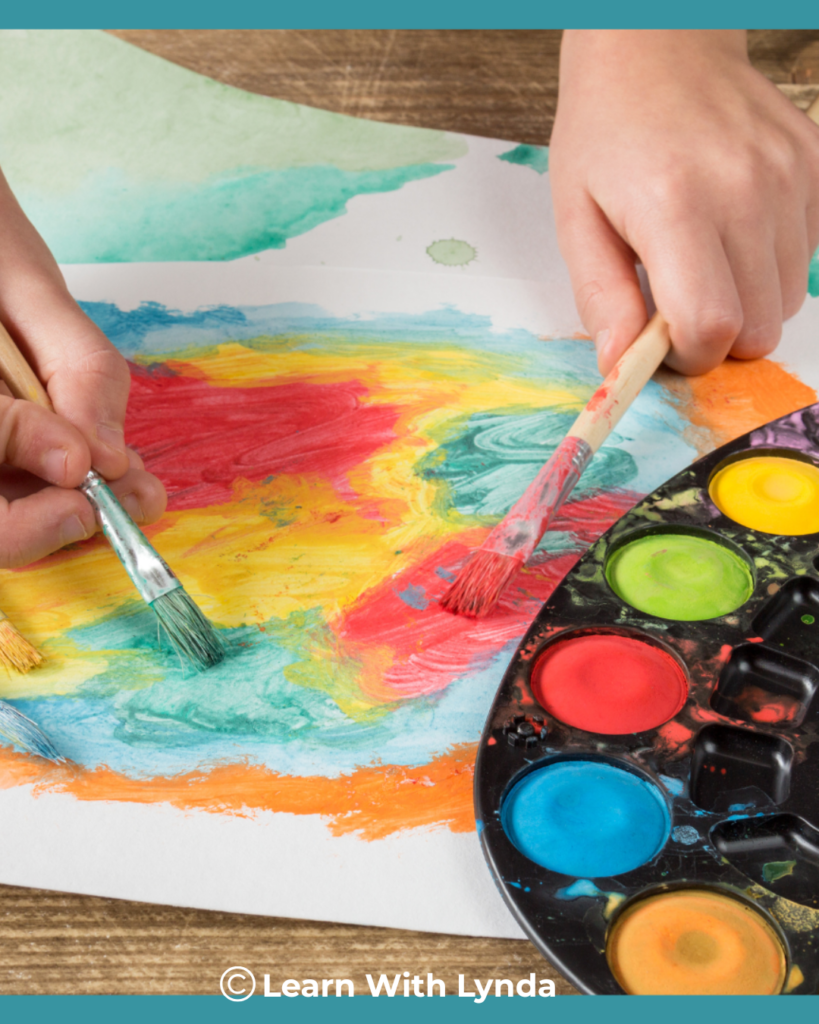
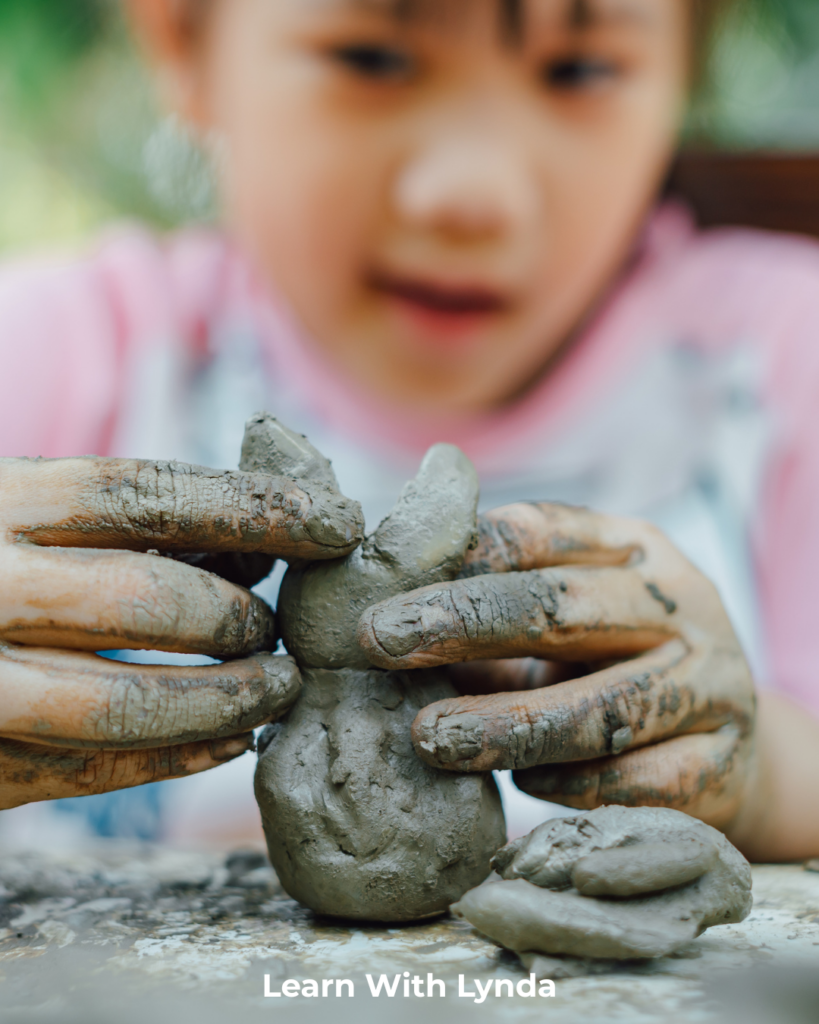
Process art focuses on how children create, not what the finished project looks like.
Instead of giving children a picture to copy, adults provide interesting materials and invite children to explore.
There is no single right answer.
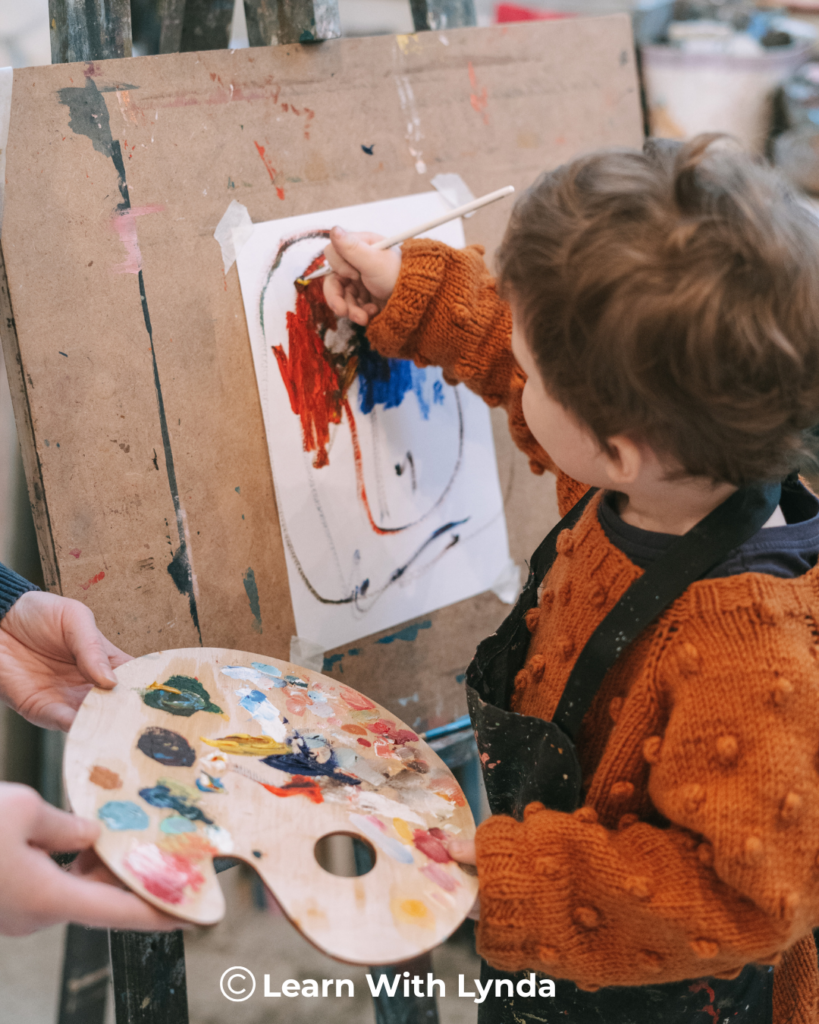
One child may paint a rainbow.
Another may create a city.
Someone else may simply enjoy mixing colours and making patterns.
Every piece is different because every child is different.
Why Process Art Matters
When children are free to explore, something amazing happens.
- They begin making decisions.
- They ask questions.
- They solve problems.
- They experiment.
- They imagine new possibilities.
Instead of asking, “Is this right?” they begin asking, “What happens if I try this?”
That shift in thinking is where meaningful learning begins.
What Children Learn Through Process Art
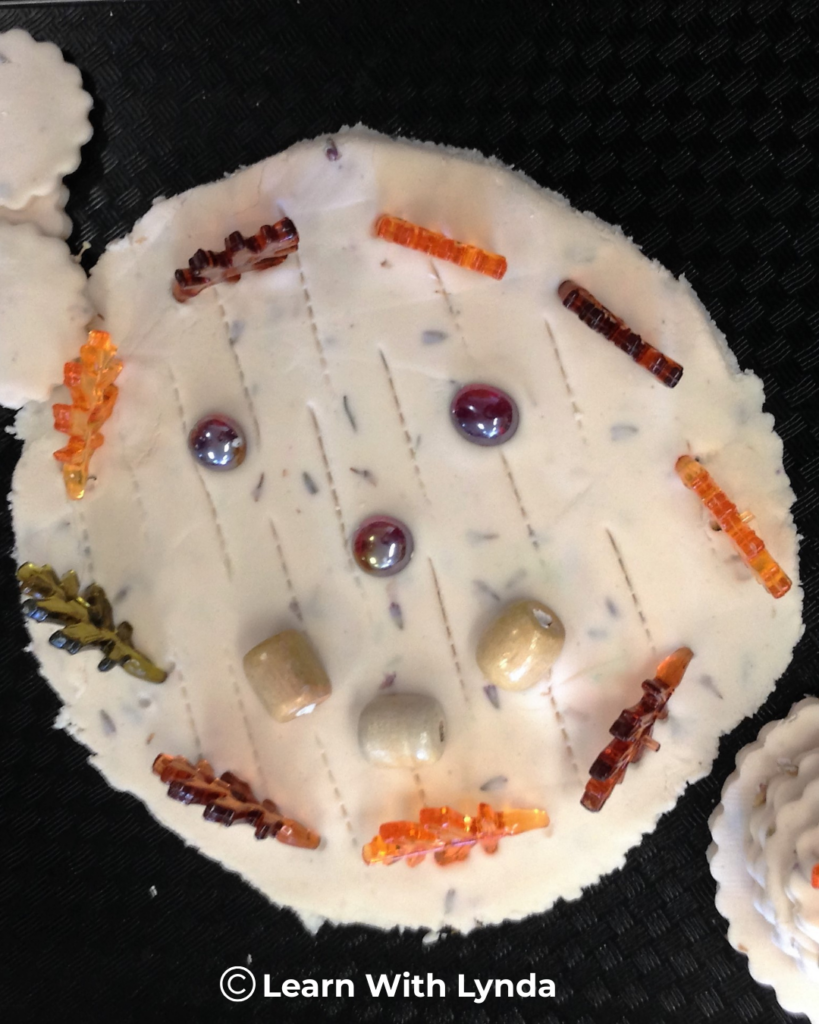
Process art helps children develop many important skills, including:
- Creativity
- Problem-solving
- Confidence
- Decision-making
- Fine motor skills
- Perseverance
- Communication
- Independence
These are life skills that extend far beyond the art table.
What Does a Process Art Invitation Look Like?
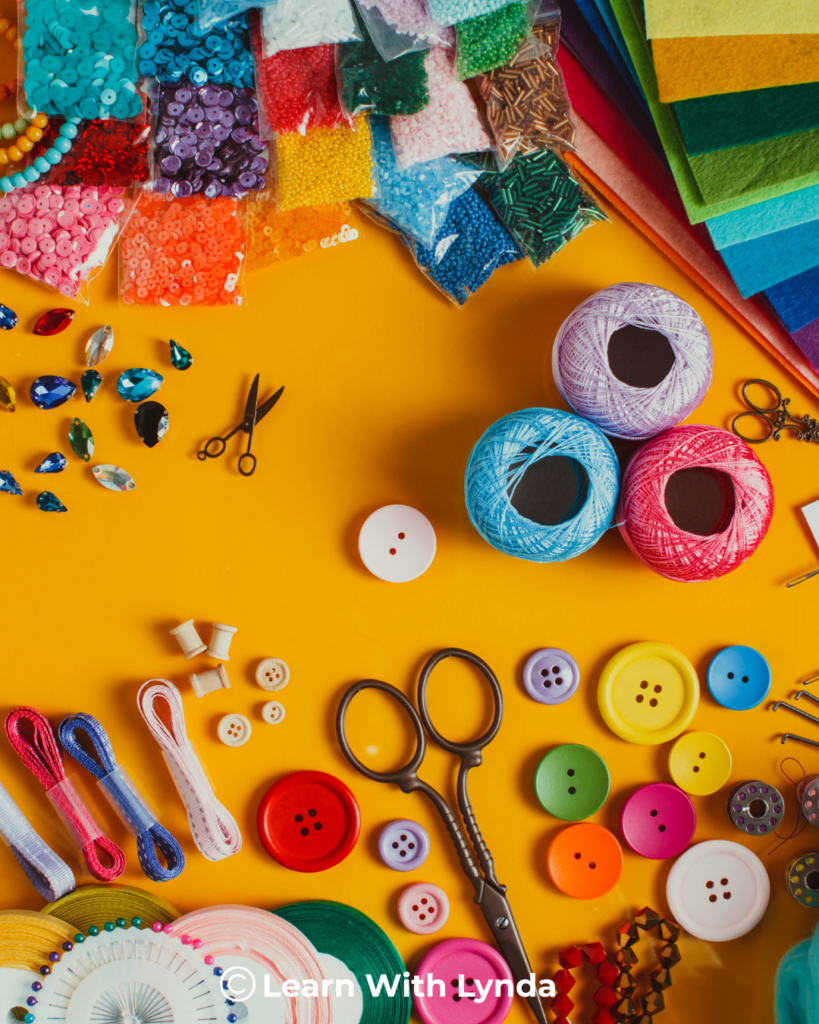
Imagine placing these materials on a table:
- Cardboard tubes
- Coloured paper
- Glue
- Scissors
- Markers
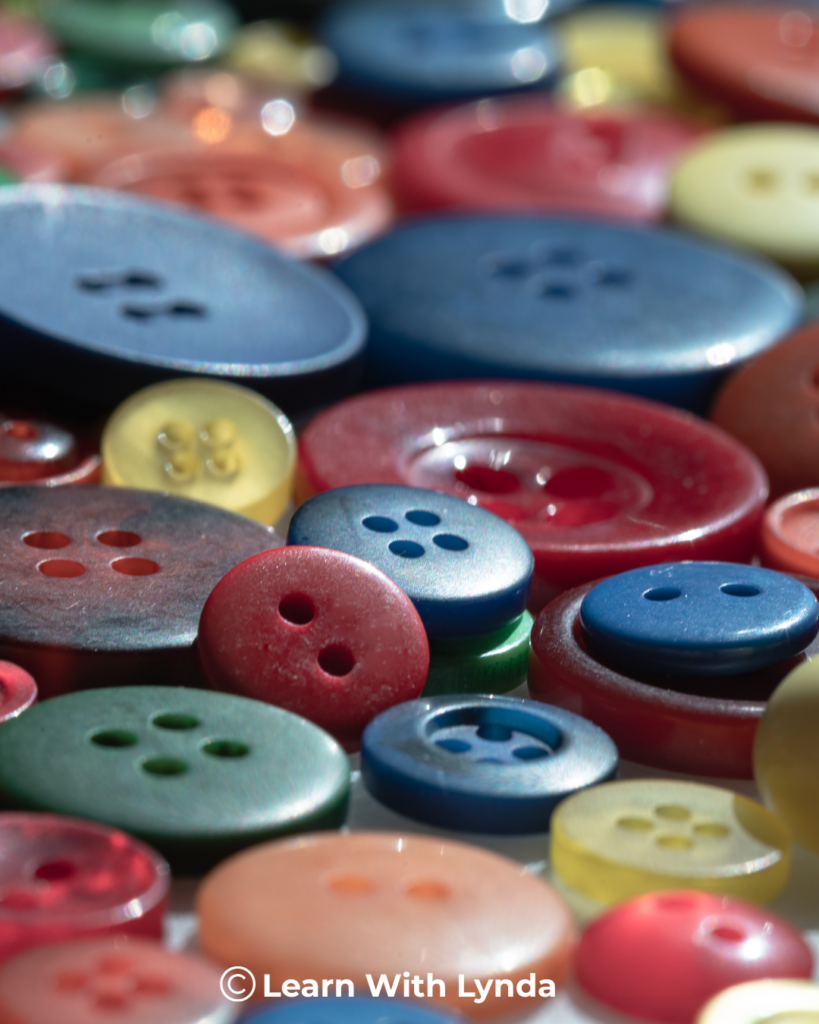
- Buttons
- Feathers
- Yarn
Instead of saying,
“Today we’re making a butterfly.”
You simply ask,
“What can you create?”
- One child builds a rocket.
- Another creates a castle.
- Someone else designs an animal you’ve never seen before.
Every child is thinking, planning, testing ideas, and solving problems in their own way.
That is the beauty of process art.
The Teacher’s or Parent’s Role
In process art, adults become guides instead of directors.
Instead of showing children exactly what to do, we encourage their thinking by asking questions like:
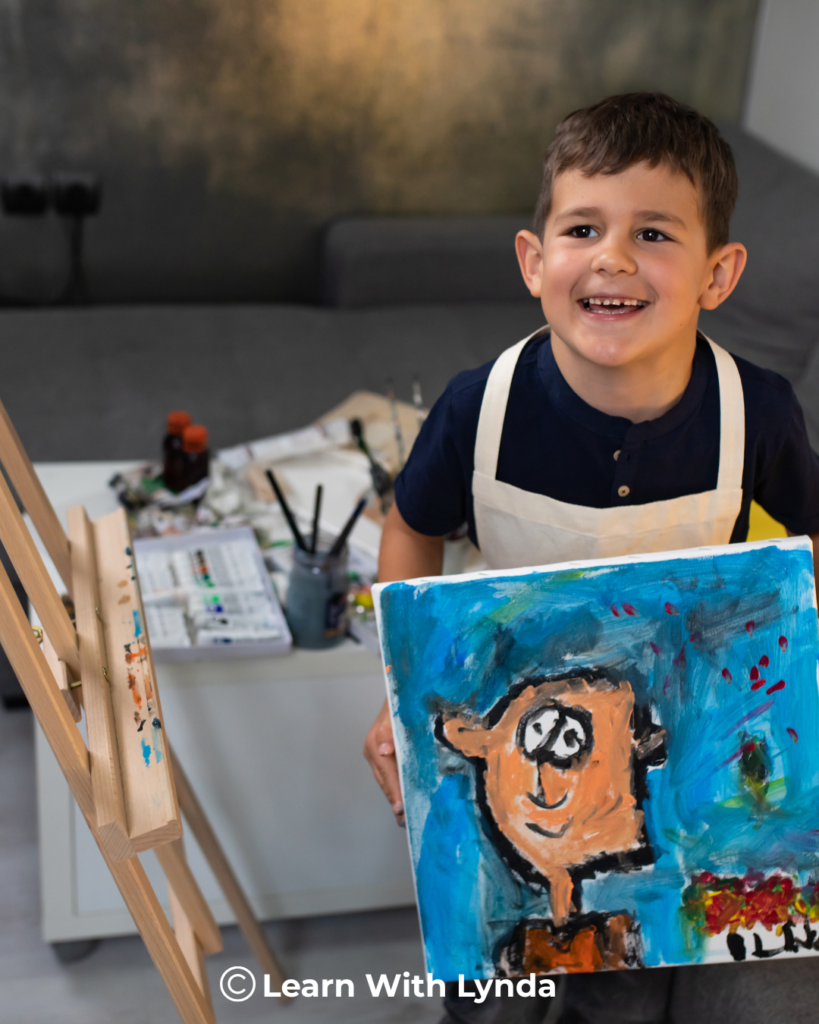
- Tell me about your artwork.
- What inspired your idea?
- What happens if you try another material?
- How did you solve that problem?
- What are you most proud of?
These conversations often become more valuable than the artwork itself.
Do We Have to Choose One or the Other?
Not at all.
Both product art and process art have a place in children’s learning.
The key is balance.
A holiday craft, a classroom keepsake, or learning a new technique can be wonderful reasons to enjoy product art.
But if children only complete projects where every finished piece looks the same, they miss many opportunities to think creatively and make their own decisions.
By including regular opportunities for process art, we give children the freedom to imagine, explore, and create without worrying about getting it “right.”
Simple Ways to Encourage More Process Art
You don’t need fancy supplies or complicated plans.
Try these simple ideas:
- Set out a variety of open-ended materials.
- Let children choose what they want to create.
- Focus on the process instead of the finished product.
- Celebrate effort, curiosity, and creativity.
- Ask open-ended questions instead of giving directions.
- Display children’s artwork without comparing it to others.
Sometimes the simplest invitation leads to the biggest discoveries.
Art is about so much more than creating something beautiful.
It is about exploring ideas, making decisions, solving problems, and expressing creativity.
Product art can teach valuable skills, but process art gives children something even greater—the confidence to think for themselves.
When we make room for open-ended creativity, we tell children:
“Your ideas matter.”
“Your imagination matters.”
“There is more than one way to create.”
Those are powerful lessons that children will carry with them long after the paint has dried.
So the next time you gather art supplies, remember this:
The greatest masterpiece may not be hanging on the wall.
It may be the confidence, creativity, and curiosity growing inside the child who created it.
What kind of art do the children in your life enjoy most?
Related Blogs