When people think about crafting, they often picture glitter, glue, paint, and smiling children proudly holding up their finished projects.
But crafting is about so much more than making something pretty.
Every time a child creates, they are building skills that will help them for the rest of their lives. They are learning to think, solve problems, work through challenges, and believe in themselves.
Whether you’re a parent looking for meaningful activities at home or a teacher creating a playful learning classroom, crafting is one of the best ways to help children grow.
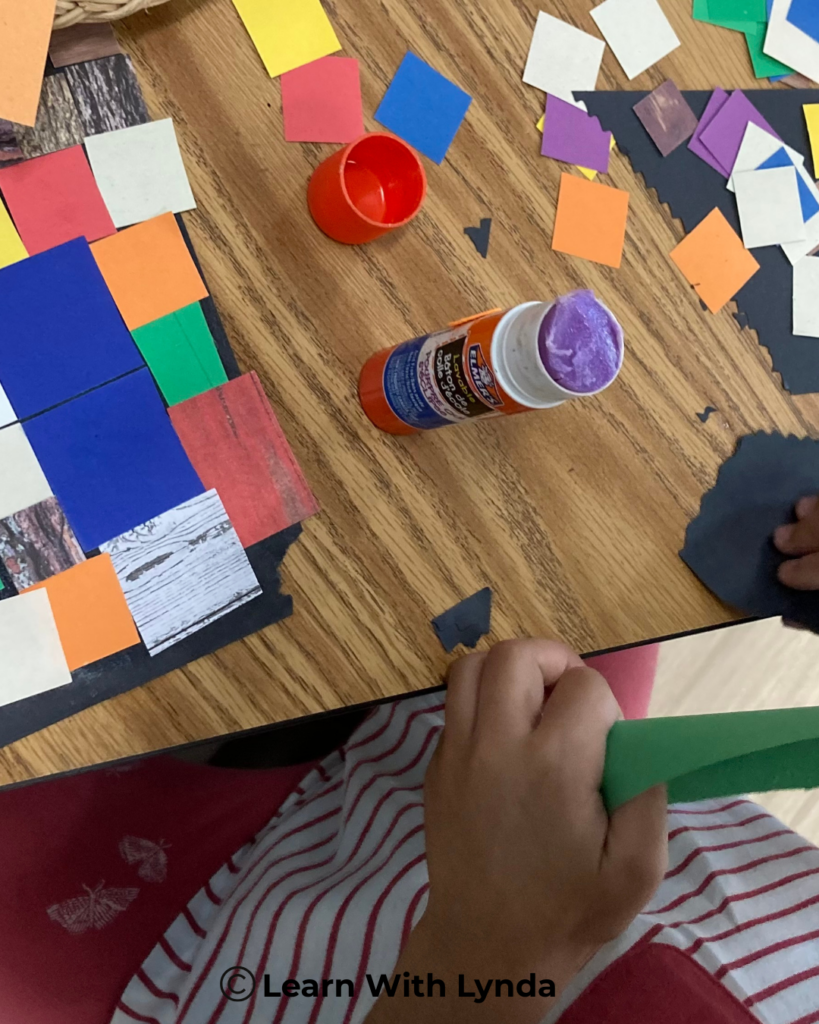
Here are ten important life skills children learn through crafting.
1. Creativity
Crafting gives children the freedom to imagine, explore, and create.
Instead of looking for one “right answer,” children ask themselves:
- What could I make?
- What colours should I use?
- What happens if I try this?
Creativity helps children become flexible thinkers who are willing to explore new ideas throughout their lives.
2. Problem-Solving
Not every project goes as planned.
Maybe the glue doesn’t hold.
Perhaps a tower falls over.
A piece gets cut too short.
Instead of giving up, children learn to ask:
“How can I fix this?”
These small moments teach children to keep trying until they find a solution.
3. Patience
Beautiful creations rarely happen in five minutes.
Children learn that some projects take time.
They discover that slowing down, following steps, and sticking with a task often leads to the best results.
Patience is a skill that helps children in school, friendships, sports, and later in the workplace.
4. Confidence
There is something special about creating something with your own hands.
Every completed project reminds children:
“I made this.”
That sense of pride helps children believe in themselves and become more willing to try new challenges.
Confidence grows every time children experience success through effort.
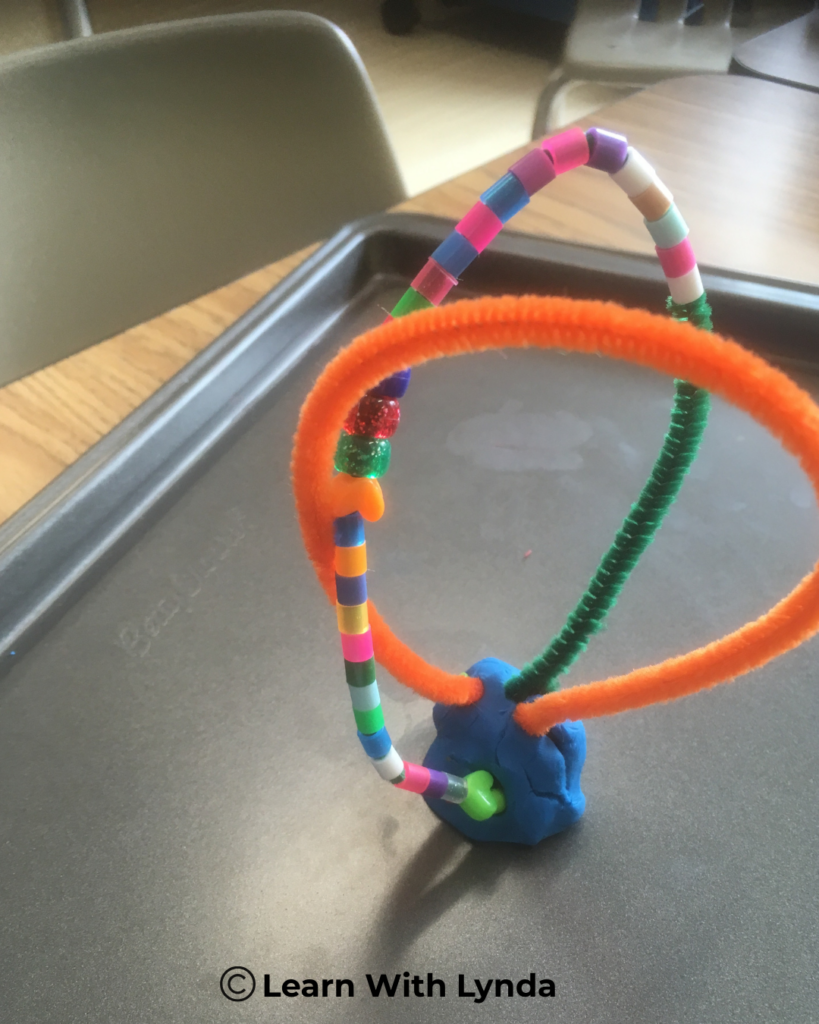
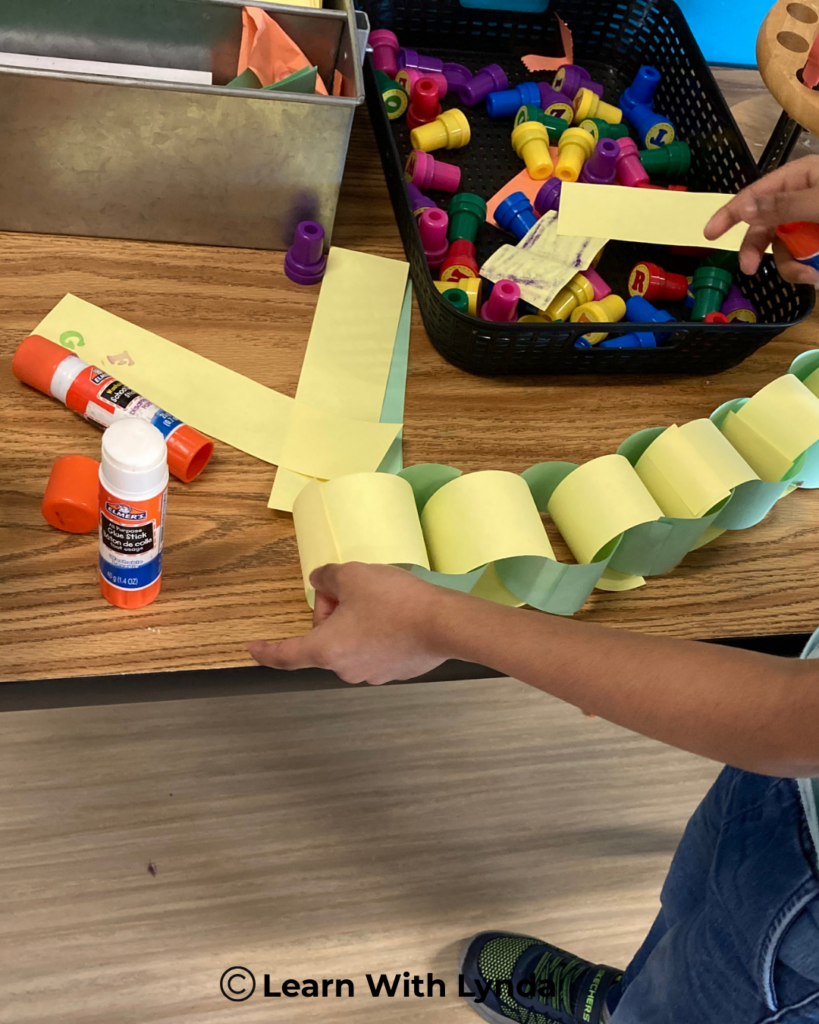
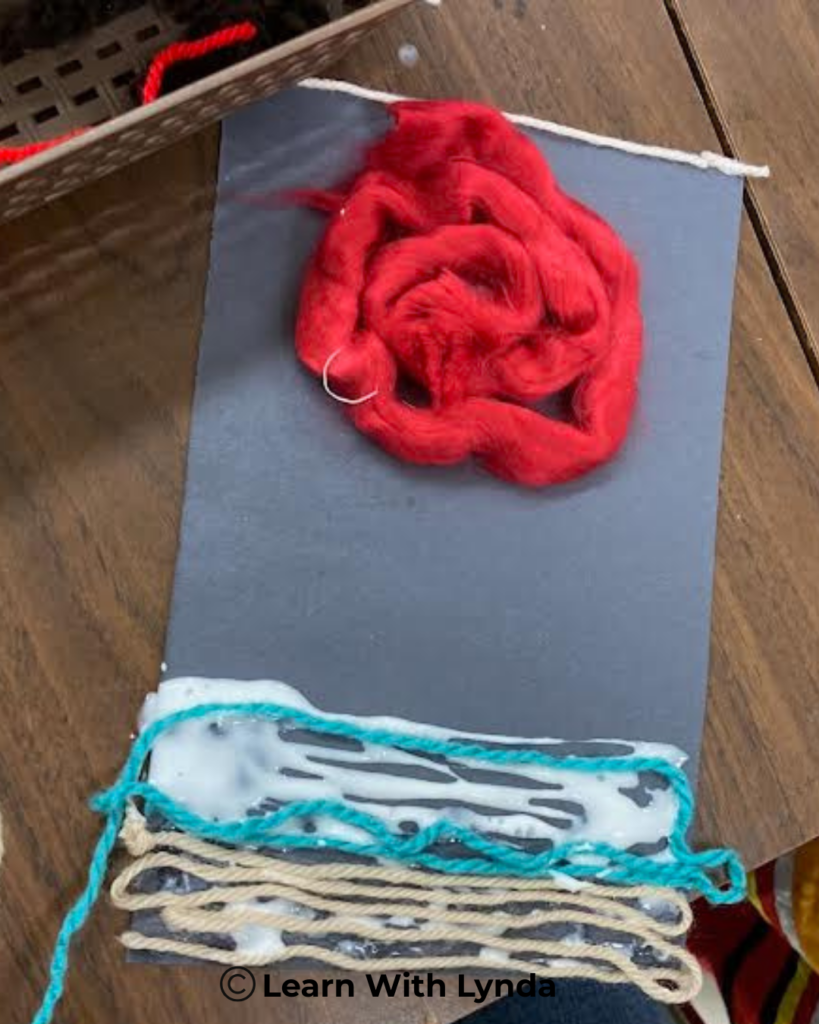
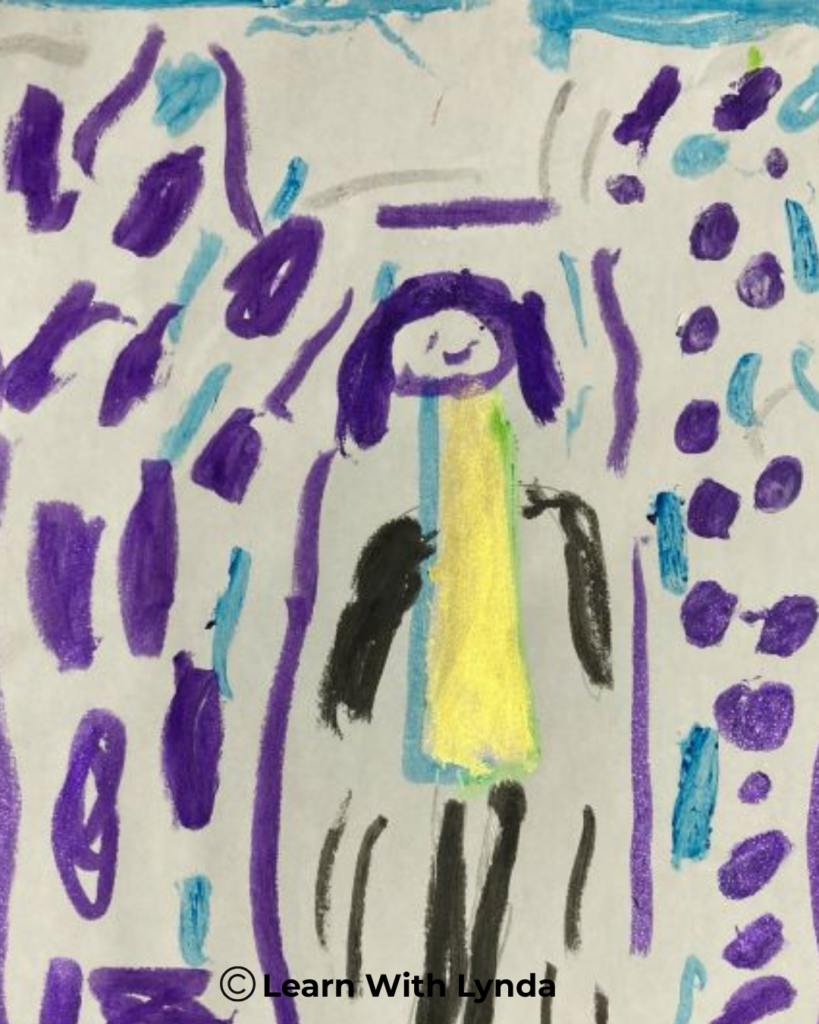
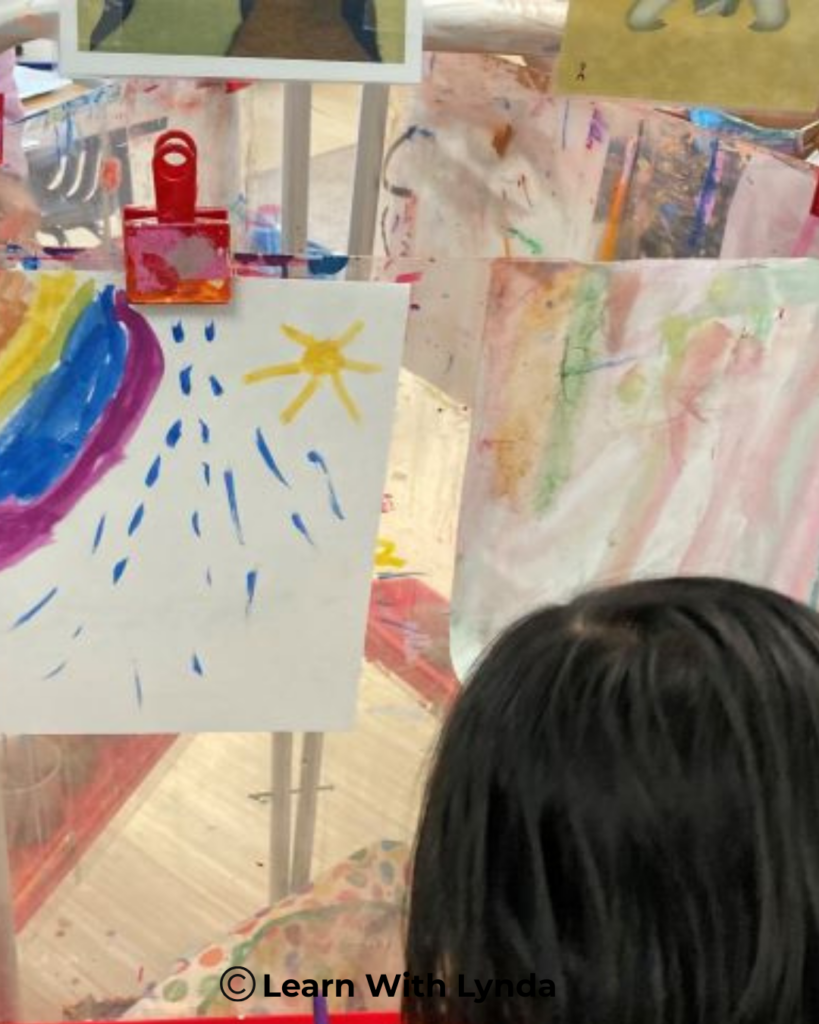
5. Fine Motor Skills
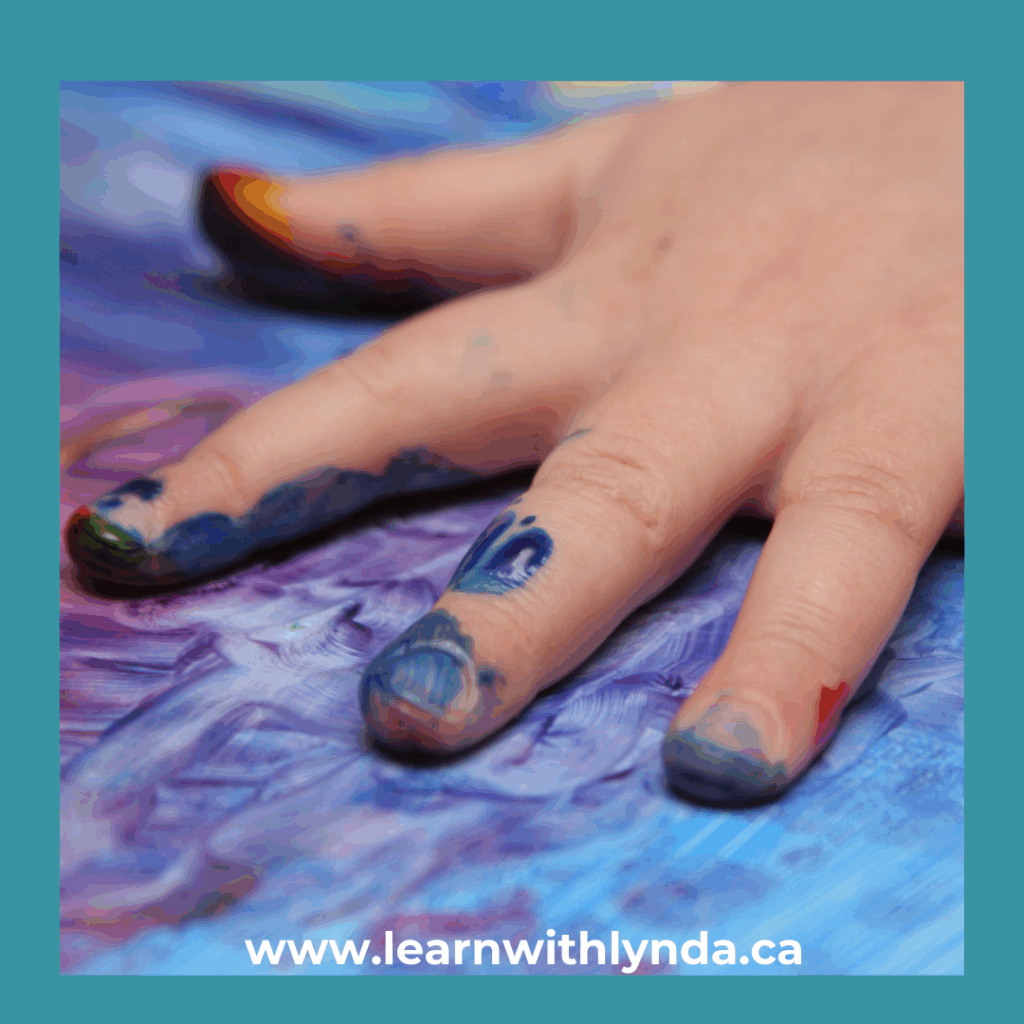
Crafting is one of the best ways to strengthen the small muscles in children’s hands.
Activities like the ones below help prepare children for writing, drawing and many everyday tasks.
- Cutting
- Painting
- Tearing paper
- Threading beads
- Rolling clay
- Using pipettes
The best part – Children are learning while having fun.
6. Decision-Making
Crafting gives children opportunities to make choices.
Should I paint first?
Which materials work best?
Do I want buttons or beads?
Making simple decisions helps children become more independent and confident in their thinking.
7. Resilience
Mistakes happen.
Paint spills.
Paper tears.
Projects don’t always look the way children imagined.
Crafting teaches one of life’s greatest lessons:
Mistakes are part of learning.
Children discover that they can adjust their ideas, try something different, and keep creating.
That’s resilience.
8. Communication
Art gives children another way to share their thoughts and feelings.
Many children love talking about what they created.
They explain their ideas, tell stories about their artwork, and describe how they solved problems along the way.
Crafting naturally builds vocabulary and encourages meaningful conversations.
9. Collaboration
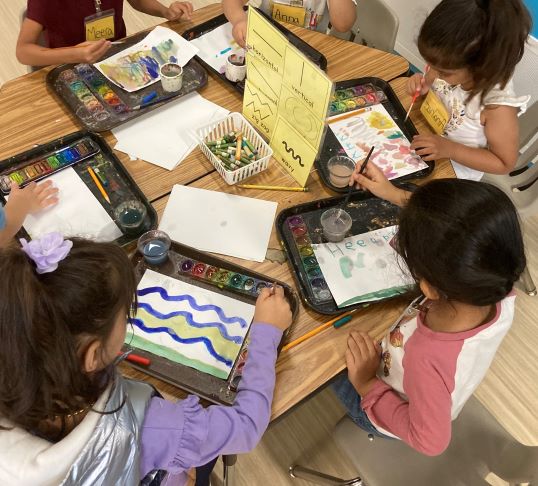
Many creative activities work even better when children create together.
They learn to:
- Share supplies
- Listen to others
- Take turns
- Solve problems as a team
- Celebrate each other’s ideas
These social skills are just as important as academic learning.
10. Joy in Learning
Perhaps the greatest life skill crafting teaches is that learning can be joyful.
Children who enjoy learning are more likely to stay curious.
- They ask questions
- They explore
- They experiment
- They become lifelong learners
And isn’t that what we hope for every child?

Why Process Matters More Than Perfection
As adults, it’s easy to focus on the finished craft.
- Did it look nice?
- Did everyone make the same thing?
- Did it turn out “pinterest perfect”?
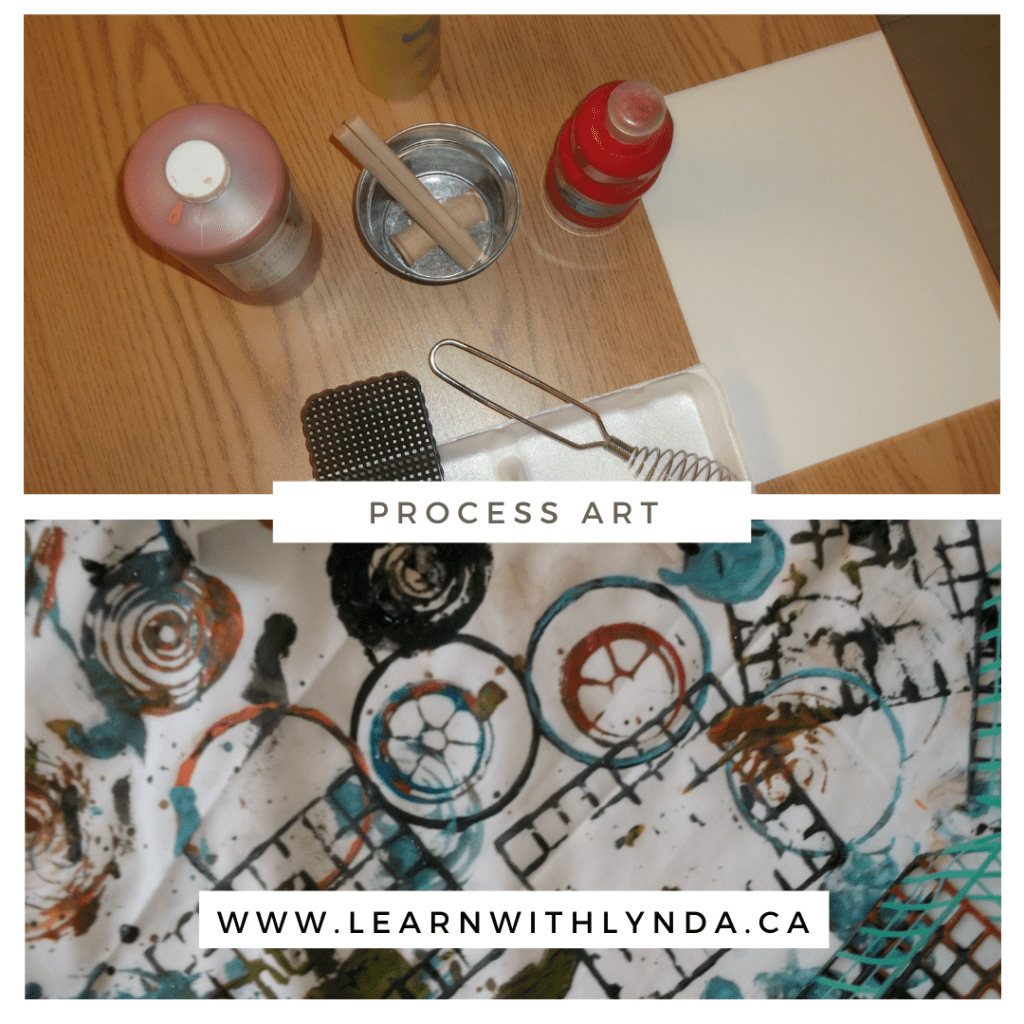
But children learn the most when they have the freedom to create in their own way.
The conversations they have.
The choices they make.
The mistakes they solve.
The ideas they explore.
These are the moments where real learning happens.
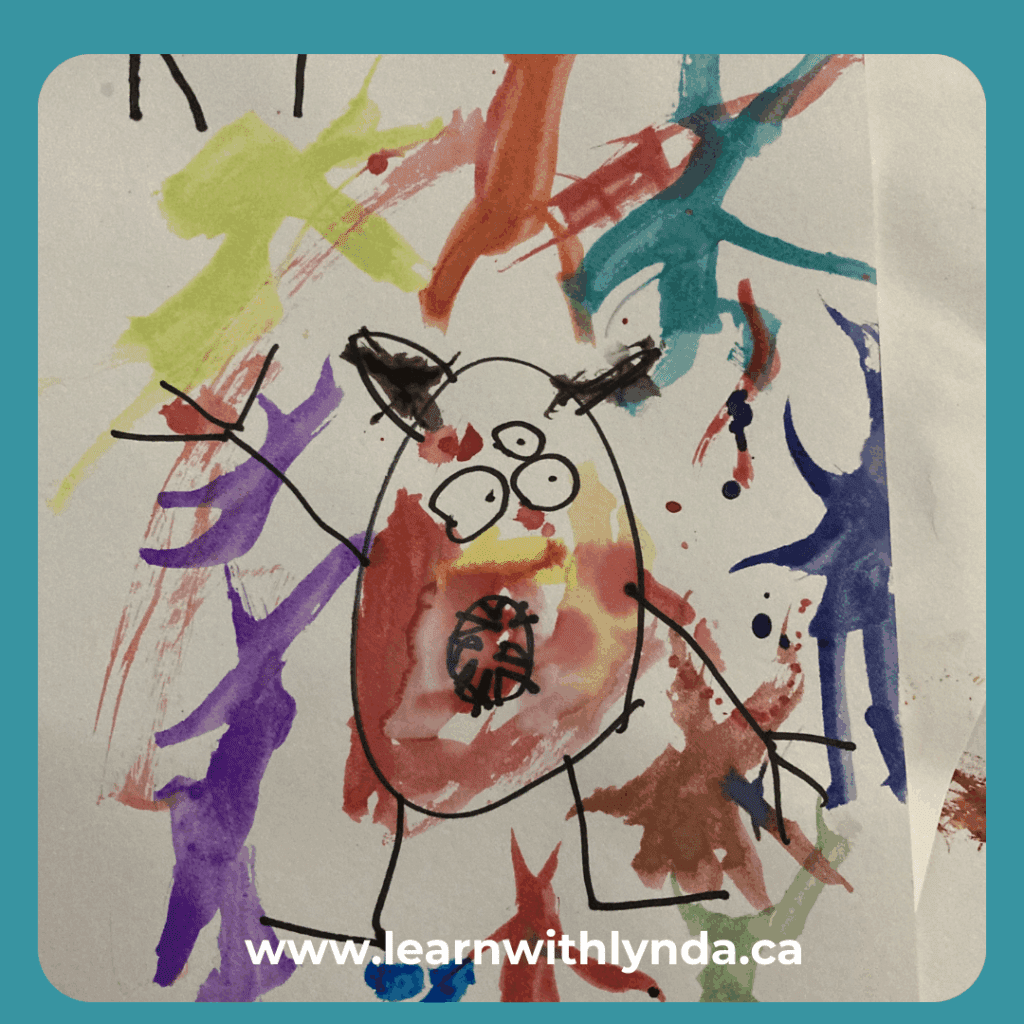
Sometimes the masterpiece isn’t the craft hanging on the wall.
It’s the confidence growing inside the child who made it.
Bringing More Crafting into Your Home or Classroom
You don’t need expensive supplies or elaborate projects to help children develop these life skills.
Simple materials like paper, cardboard, markers, paint, recycled items, nature treasures, buttons, yarn, and glue are enough to inspire hours of meaningful learning.
Give children opportunities to explore, experiment, and create without worrying about making everything perfect.
You may be surprised by how much learning happens when children are simply given the chance to make something with their own hands.

Crafting is much more than an art activity. It is an opportunity for children to build confidence, creativity, resilience, patience, and problem-solving skills that will serve them throughout their lives.
When we make time for creative experiences, we are not just filling their afternoon—we are helping children become capable, curious, and confident learners.
So the next time you set out paint, paper, or a box of craft supplies, remember this:
You aren’t just making a craft.
You’re helping build the life skills children will carry with them for years to come.
What life skill have you noticed children develop through crafting? I’d love to hear your experiences!
Share your thoughts in the comments below, and let’s inspire one another to make more time for creativity, play, and joyful learning.
Related Blog Posts
The Benefits of Crafting and Art for Children and Adults | Why Creative Play Matters